Peter Dowdall: Some plants are natural mixers
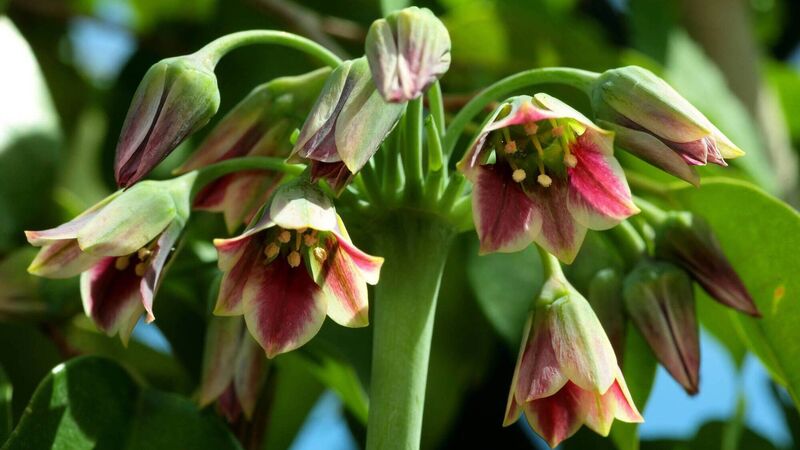
Flowers of Sicilian honey garlic known as honey garlic, Sicilian honey lily, Sicilian honey garlic, or Mediterranean bells Nectaroscordum siculum. Picture: iStock
To be the kind of person equally at home in different situations is a skill. Not everyone can wine and dine with political leaders and high-level CEOs and then chat away with those of us who are less high-flying.
Some plants are the same: Not all are good mixers, and many can only “work” or look right in a highly manicured and pristine garden.
Imagine, if you will, topiary Taxus, Ilex or Buxus pruned to perfection. They’re not really going to cut it in a wild, nonchalant style of garden.
Equally, those with a more informal habit such as lychnis, ranunculus and other perennials, are more suited to a wilder, more naturalistic planting scheme.
But what about those among us who want something in between? The “perfect” garden may not be what we are after, but nor do we want an unkempt, rewilded space.
There are many in the plant world that can hold their heads up high in the finest garden and also, get down and dirty with the wildflowers.
Andy Sturgeon's “Mind” garden at RHS Chelsea 2022 was a good example of environmentally beneficial planting but also had that show-garden bling. The garden originated in a birch woodland and through a series of curved walls, it opened up into a more open, sunny, space with plants suited to each space.
Campanula patula, the spreading bellflower, now endangered in the wild, was, for me, one of the stars of this garden. Reaching about 80cm in height, this is a short-lived herbaceous plant which produces spires of pale purple as you would expect from a wild campanula.
Each flower is more open than with most campanulas, the petals, nearly reflexed back, and it is this that gives it the common name spreading bellflower and not that it has a penchant for spreading around the garden.
It needs to grow near other plants as it relies on its companions such as ornamental grasses to keep itself up and it was surrounded by plant friends in Andy’s garden to offer support, such as Sesleria autumnalis, Stipa gigantea and Zizia aurea.
He used Rosa glauca too, to great effect in this garden. This is a rose species which is native to Europe and thus wild. However, it is definitely one of those plants that can be at home in a “designed” garden and equally comfortable in a wild garden.
Commonly known as the red-leaved rose, its reddish stems actually bear contrasting blue-grey leaves with a hint of purple along the midrib.
Single, pale-centred, deep rose-pink flowers festoon the branches during summer and early autumn but its season of beauty doesn’t stop there. After flowering, it produces, round red, rose hips which, along with sustaining birds and wildlife, look quite stunning.
Many wild and species roses will get very large and unruly along with being very thorny which is why they are best left in the wild. However, Rosa glauca grows in a much more well-behaved manner and works very well in either a wild or maintained garden.

Unlike many other roses, this species is pretty much trouble-free and requires little or no maintenance. Leave it alone and it will flower freely for years and provide food and shelter for garden wildlife. If you do want to prune it, you can lightly trim or hard prune in early spring but do be aware that if you do prune it hard, you may sacrifice flowers for a few years.
Aquilegias, thalictrums, centaureas and leucanthemums were all in the mix in the “Mind” garden and all provide fabulous colour and elegance along with playing an important part in the tapestry.
Another plant which was prolific in this year’s Chelsea Flower Show was Nectaroscordum siculum. Also known as Sicilian honey garlic and Allium siculum, this bulbous perennial will produce flowers reaching up to 1.2m in height and are adored by bees as the common name may tell you.
It’s quite a structural, elegant grower; its flowers bloom as pendant umbels of green and white flushed with pink/purple and red. It’s a see-through plant, meaning that you can see through and past it as the stems are tall and narrow and work well in the wildest of spaces or just as much at home in amongst the most preened topiary specimens, it’s light and airy texture working as a perfect foil to the dense and heavy Taxus, or Buxus.
Plant Sicilian honey garlic bulbs from October to January and you will delight in its flowers, blooming early next summer.
I would say that not just this nectaroscordum, which used to be referred to as Allium siculum, but all alliums are good mixers, able to hold their elegant heads high with the glitterati and the great unwashed, always looking that they belong there.
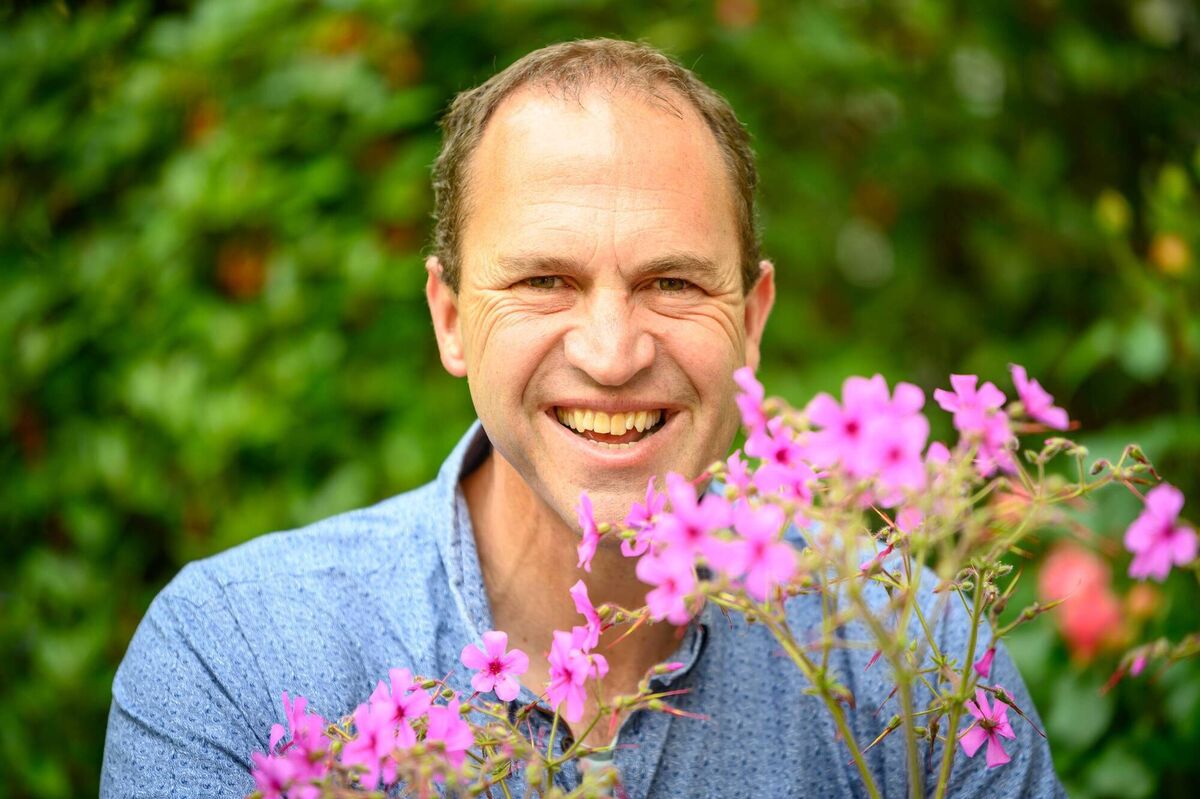
- Got a gardening question for Peter Dowdall? Email gardenquestions@examiner.ie


CONNECT WITH US TODAY



Be the first to know the latest news and updates