How a Mullingar civil servant became a Victorian celebrity 
Des O'Sullivan tells how Thomas Henry Kavanagh was awarded the Indian Mutiny Victoria Cross that will be auctioned in London next month 
How a Mullingar civil servant became a Victorian celebrity 

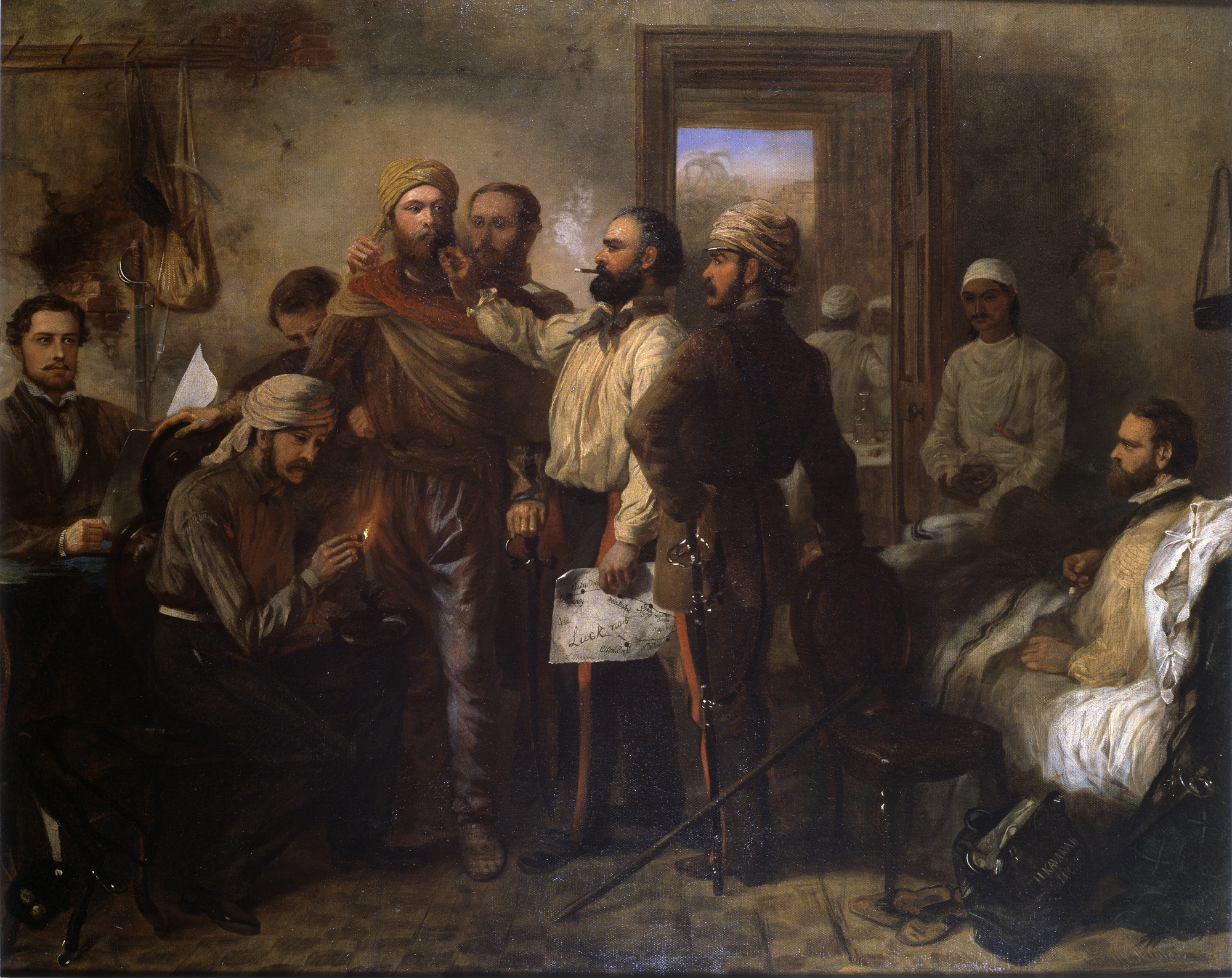
Thomas Henry Kavanagh VC (1821-82) being disguised during the Indian mutiny at the siege of Lucknow, 9th November 1857, c.1860 by Chevalier Louis-William Desanges. Picture: The National Army Museum
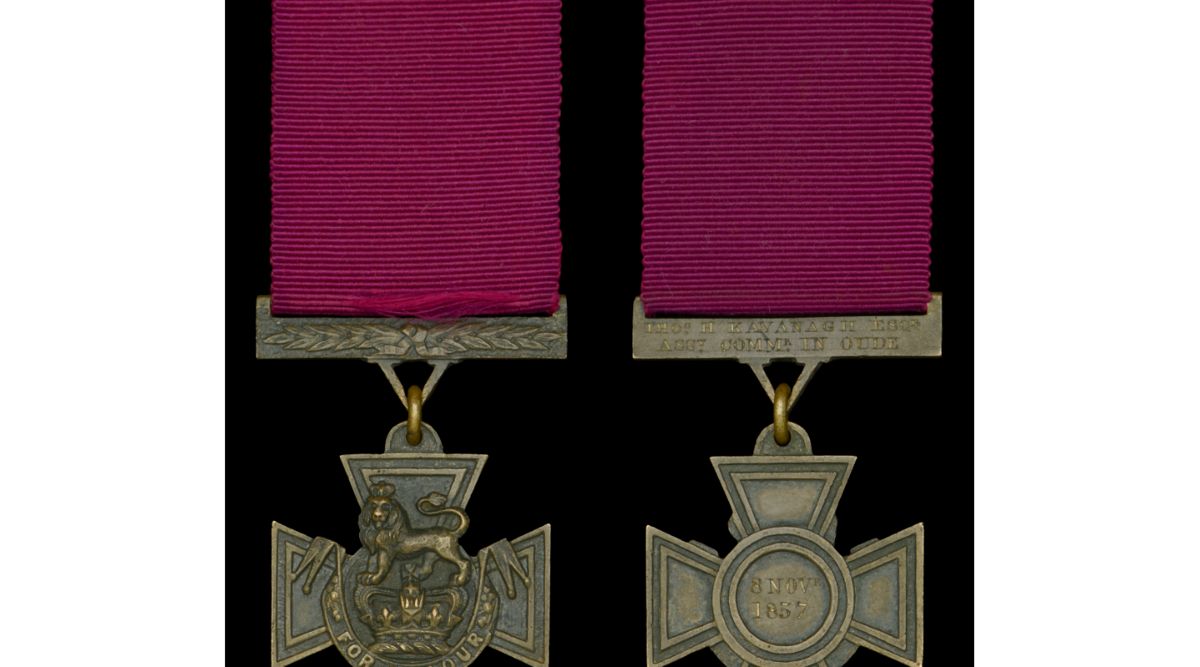
THE Victoria Cross awarded to a Mullingar civil servant for an epic and daring escape and rescue during the Siege of Lucknow comes up at Noonans in London on September 14.

Months into the siege during the Indian Mutiny of 1857 Thomas Henry Kavanagh crept out in disguise from the surrounded Residency at night.

Against all odds, the Irishman, a clerk at the Lucknow office, successfully crossed enemy lines, made contact with the Commander in Chief 15 miles away at Cawnpore, and guided a relieving force through the city to the beleaguered garrison by the safest route.

Even though Kavanagh was a tall man with fair hair and blue eyes he made the trip dressed as a sepoy (an Indian soldier serving under British or other European orders) accompanied by a Brahmin scout, Kananji Lal. A celebrated painting at the National Army Museum in London by Chevalier Louis-William Desanges shows him being disguised.

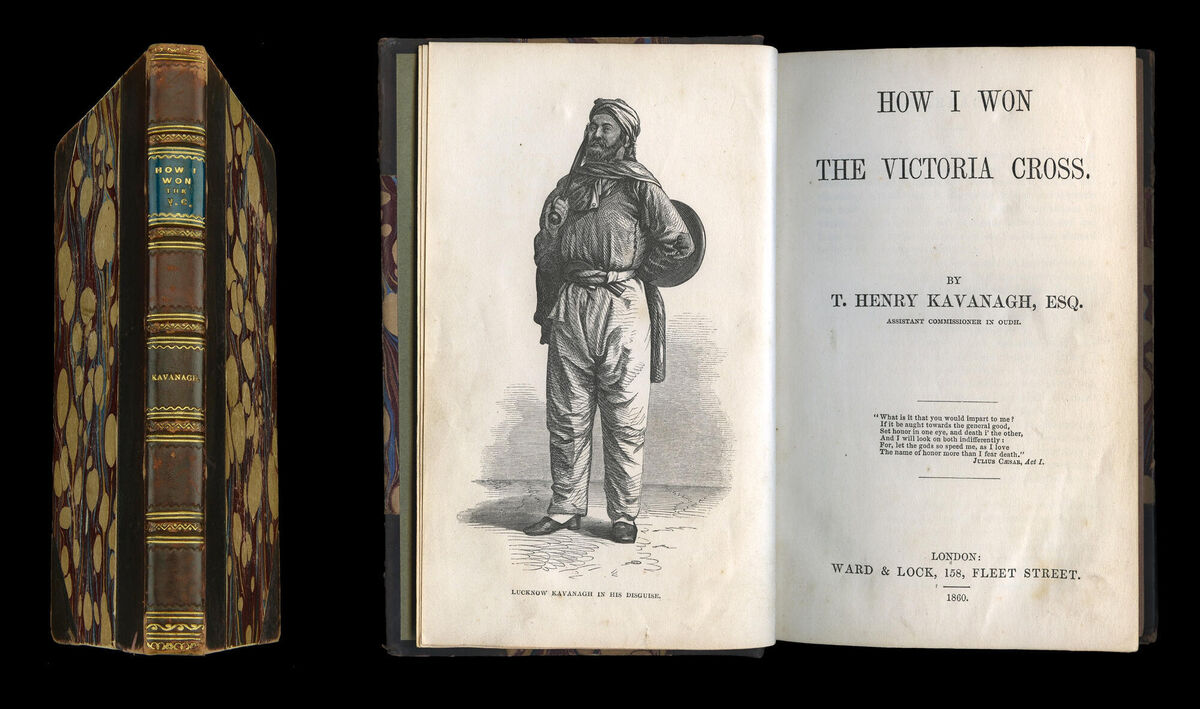
'How I won the Victoria Cross' by Thomas Henry Kavanagh.

The siege had begun in June and by November the situation was becoming critical.

Kavanagh himself devised the plan for what was to become one of the best-known episodes of the defence of Lucknow.

Thomas Henry Kavanagh was the first civilian to be awarded the VC, Britain’s highest honour.

His wife was wounded during the siege and his youngest child (of 14) died at the Residency as a baby.

He was promoted to the post of Assistant Commissioner at Oudh, given a reward of £2,000 and granted leave to return to England.

The Victoria Cross awarded to Thomas Henry Kavanagh.

He was presented with his medal by Queen Victoria and Windsor Castle and became a Victorian celebrity, touring England and Ireland and publishing an account of the Siege entitled: “How I won the Victoria Cross”.

A first-edition copy of this book is included with the lot. Photographs of him became popular postcard images.

Afterwards, he continued his career in India and his spendthrift ways, which had almost cost him his job prior to the siege. Seriously in debt again by 1875 he was asked to resign.

Born in Mullingar in 1821 he took ill while returning from India in 1882 and died at Gibraltar, where he is buried.

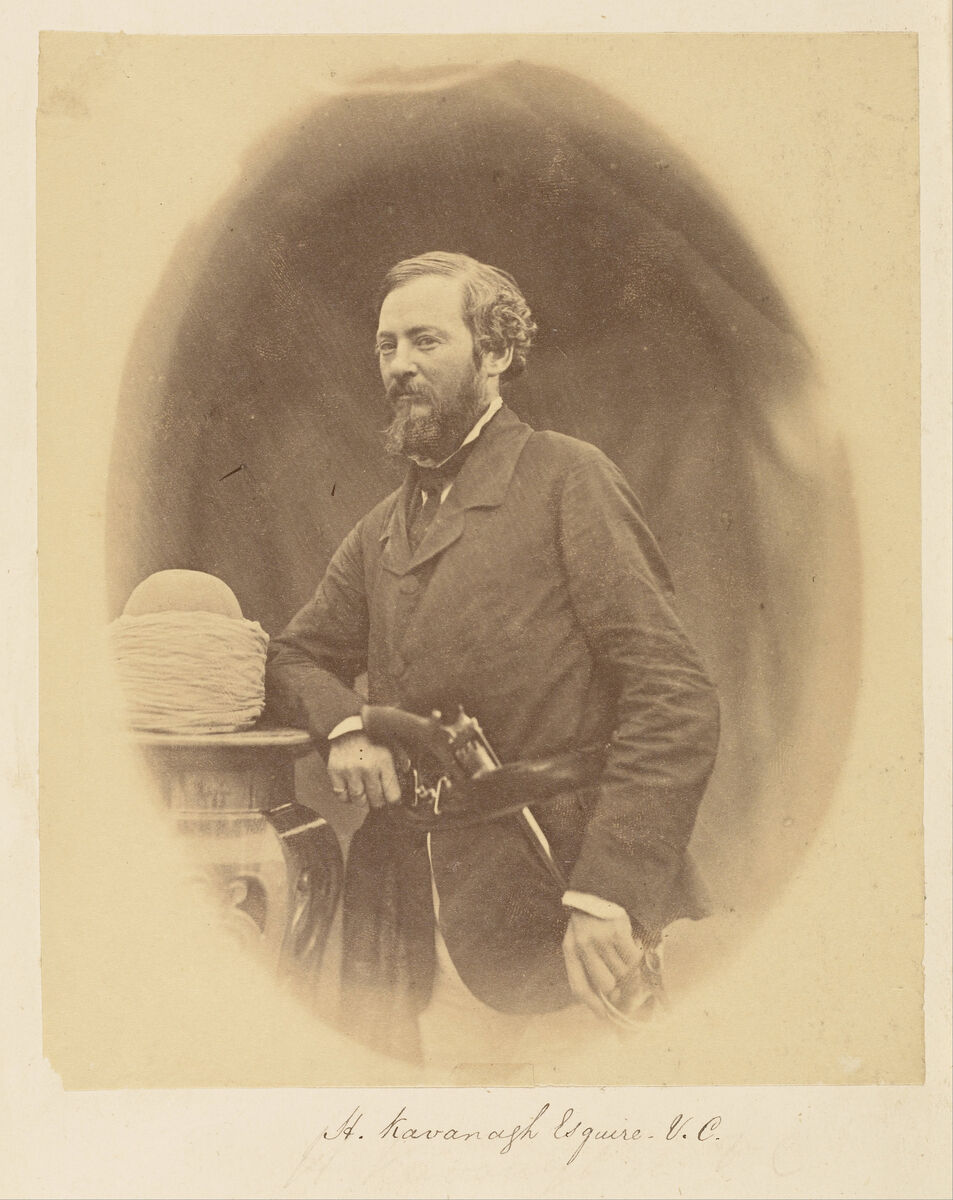
A photograph of Thomas Henry Kavanagh.

His Victoria Cross, one of two of the five awarded to civilians not in a museum, is estimated at £300,000-£400,000 (€353,410-€471,210).

The market for militaria is strong.

In 1991, in its first year of trading, the company held three medal auctions and sold 1,200 lots.

A coin department was created in 1993 and in 2015 Noonans (then known as Dix Noonan Webb) added jewellery and set up a stand alone banknotes department.

In 2021, they achieved a total hammer price of £17,414,521 (€20,500,000) and the total number of lots sold across all departments was 25,298.

x

More in this section

Revoiced

Newsletter

Sign up to the best reads of the week from irishexaminer.com selected just for you.

Cookie Policy Privacy Policy Brand Safety FAQ Help Contact Us Terms and Conditions

© Examiner Echo Group Limited