Peter Dowdall: Why Michelmas daisy is a garden favourite
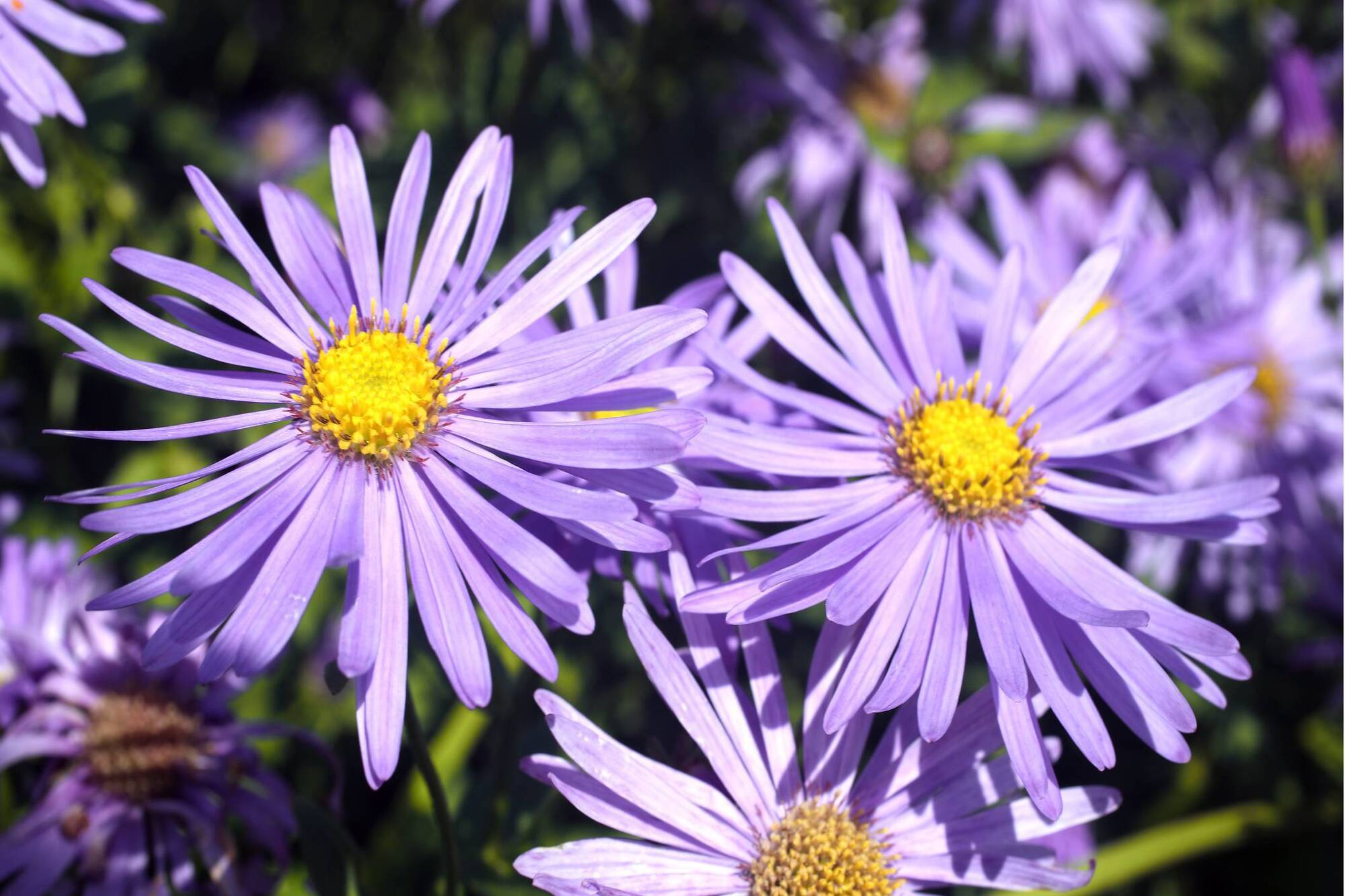
Aster x frikartii, 'Monch' a common cultivated herbaceous perennial hardy garden flower plant also known as Michaelmas daisy due to its late flowering period. Picture: iStock
Asters or Michelmas daisies which are coming into their own right now in the garden play host to over 100 species of caterpillar and more than 30 types of pollinating insects feed on the pollen of asters.
For this reason, they are often referred to as a keystone plant.
Similar to the keystone in an arch or a bridge, it is that one piece of the jigsaw, that, without which, everything around it would fall down. It supports all the other pieces even though it may be nowhere near them.
Reasons alone to plant some of these plants in our gardens but if you never knew any of that, it’s impossible not be won over by their sheer beauty.
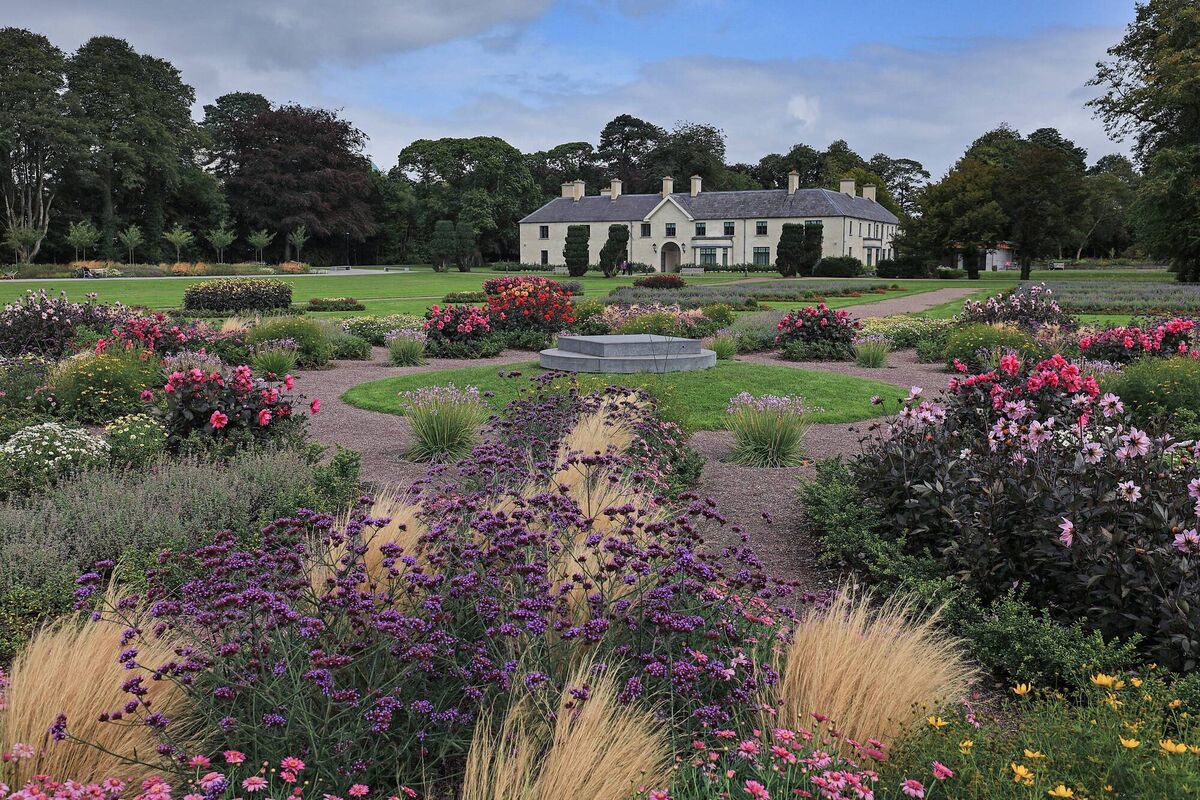
Flowers of different shades of pink, mauve, purple and sometimes white are produced freely during the early autumn and these bring colour, vibrancy and life to a planting which may otherwise be fading as many of the summer favourites are going or gone.
Not to be confused with what we refer to as the bedding aster, Callistephus chinensis which is an annual plant, very beautiful also and related to the Michelmas daisies but this bedding plant is just for one year.
My favourite of all of them has to be, Aster ‘Monch’. Strong mauve coloured flowers are produced now and into mid-winter on top of erect green stems with foliage which is quite different to many of the other varieties.
Only coming into flower from now onwards, this Michelmas daisy is one of the only perennials that I can think of that gives of its best during the winter months.
These will take well from cuttings taken from new growth during July and August but if you miss your window of opportunity then fear not, for they will also divide very easily during January and February with an established clump giving you many smaller new plants.
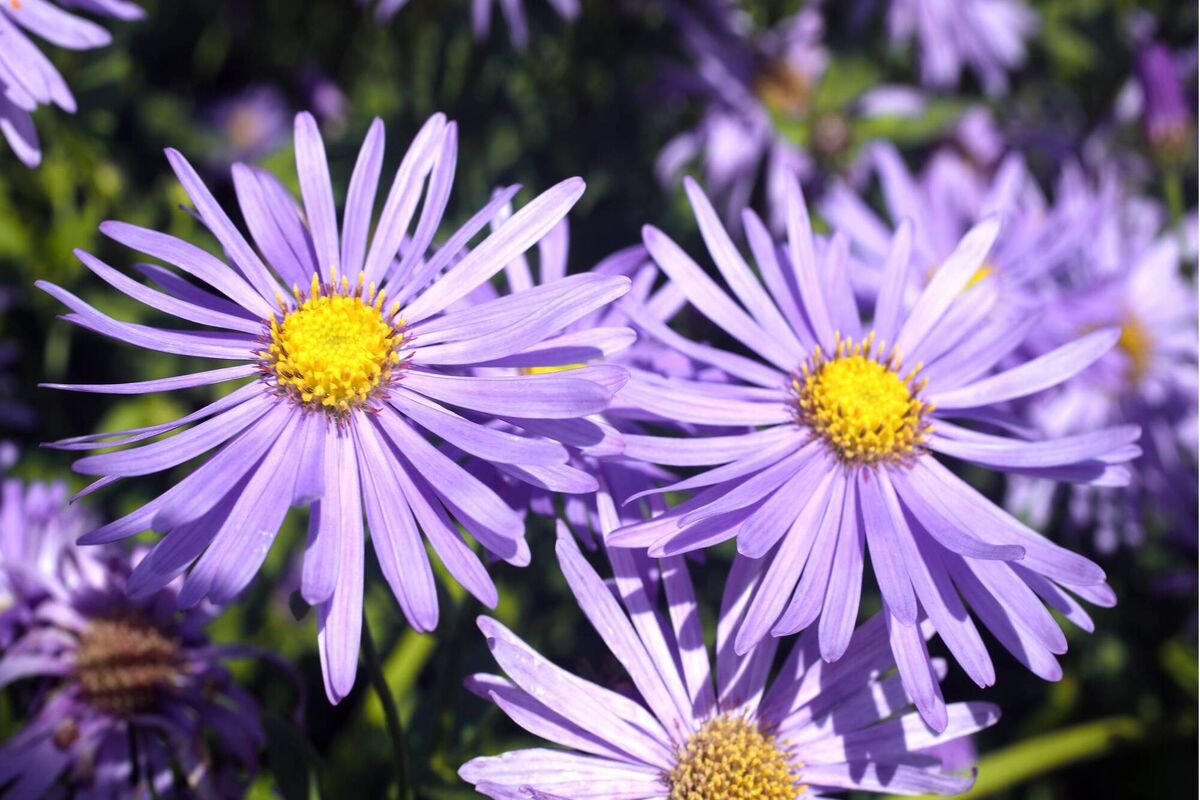
There are many varieties of aster available but Monch is well worth holding out for, as it tends not to flop around after heavy rain like most of the others.
More importantly, it is totally resistant to mildew, the curse of nearly all asters.
Many of the varieties available are of the species Aster novi-belgii, commonly referred to as the New York Aster novi-belgii referring to New Netherland, the Dutch colony in the Eastern USA which is now home to New York State.
The common name is from the fact that these asters are native to this Eastern part of America and further North in Eastern Canada.
They are now correctly named as Symphyotrichum novi-belgii and not Aster novi-belgii for reasons best known to the botanists and taxonomists, but at this stage in my life, I think I will continue to call them asters, thanks very much.
The novi-belgii varieties are some of the best for vibrant colours, Tonga and Samoa being two shades of purple which will remain relatively low, reaching between 45 and 60cm in height. Lady in Blue and Royal Ruby will be similar in height with colours of pale mauve and a bright red/maroon respectively.
Taller novi-belgii types then include Vastervial which will easily reach a metre in height.
However, no matter what the label may say, I find the novi-belgii Asters are all prone, to a greater or lesser degree to developing mildew on their leaves.
The stems are quite erect and upright and the foliage, is quite a bit smaller in size and more abundant than Monch which has larger leaves and a more open habit.
These firmer stems and plentiful foliage lead to poor air circulation in and around the plant and thus, if one spore of the mildew gets a hold, it spreads in front of your eyes and it really does take, visually from the beauty of the plants.
Aster Little Carlow, a cordifolium hybrid is another, relatively low-growing form with flowers of very pale mauve and is one which is very prone to mildew.
There are a few beautiful clumps of this growing in the herbaceous beds down in the gardens of Killarney House in Kerry.
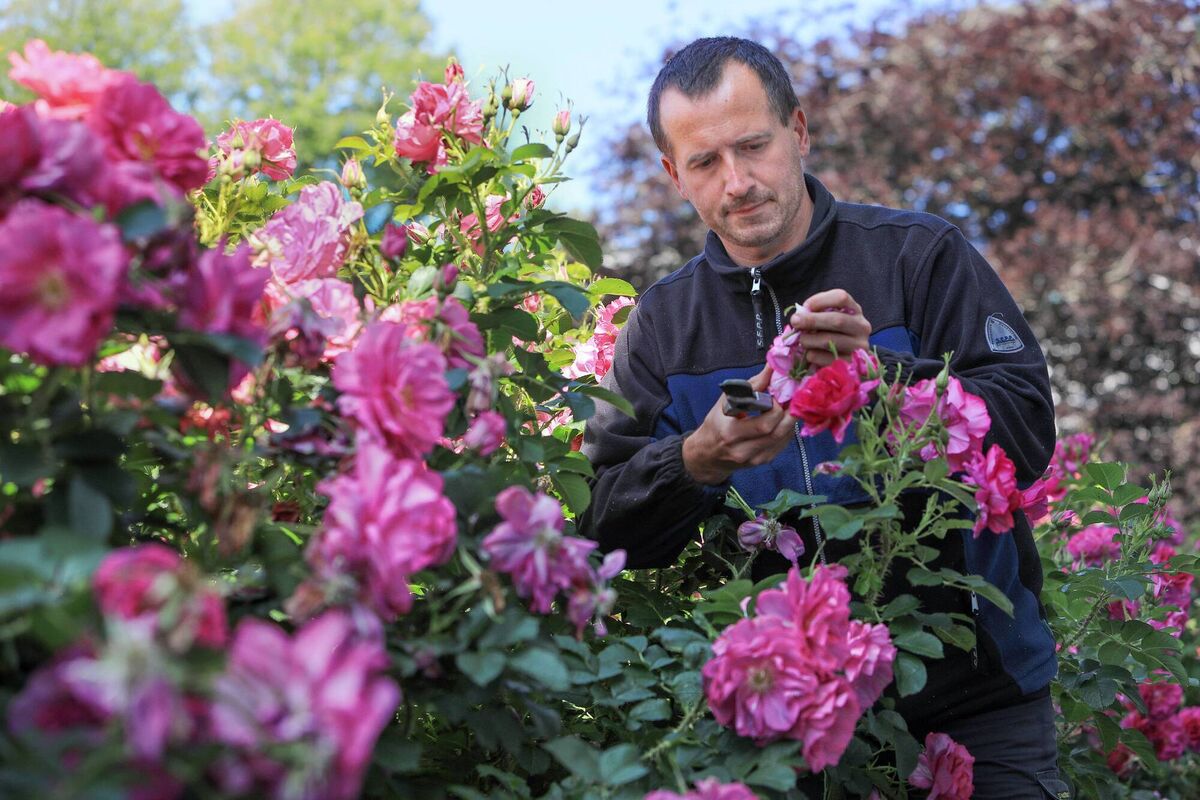
I remember visiting last year and the head gardener, Michal Doyle, told me that he had given them a good mulch with leaf mould and composted garden waste over the winter months to improve the nutrient value of the soil and it seemed to have had the added benefit of preventing any mildew. I must check back with him to see it they are still free of it.
Asters like to grow in a rich, well-drained soil and they will need to see some bit of sunshine during the day, delighting in full sun but also performing in semi-shade.

- Got a gardening question for Peter Dowdall? Email gardenquestions@examiner.ie
CONNECT WITH US TODAY



Be the first to know the latest news and updates