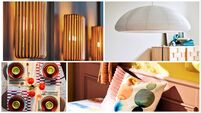
How to use the colour purple in your home interiors 
We explore the history of this royal and spiritual shade and look at the many ways you can feature it in your living space
How to use the colour purple in your home interiors 

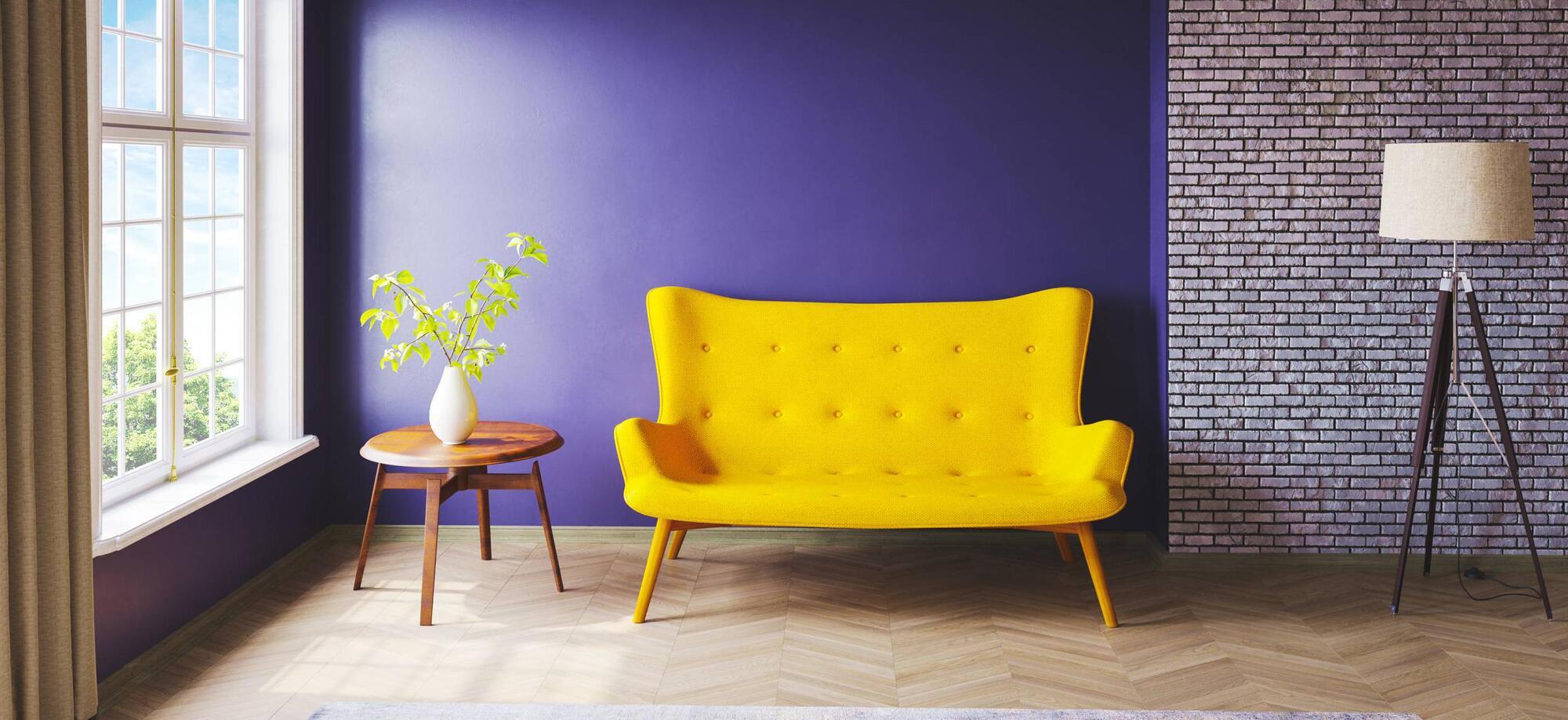
A primary yellow pops off a lavender wall and is cooled by the concrete grey brick walling and nicely worn in parquet. With the right balance in your scheming, purple doesn’t automatically have to be a colour thug. Picture: iStock

In 1856, a teenage scientist, William Henry Perkin, was mucking around with a synthetic formula for quinine — a protection from the colonial killing scourge of malaria — when he discovered a recipe for purple paint. Beneath the sun-licked waves of the Western Mediterranean, hosts of spiny dye-murex (a cannibalistic sea snail) could finally breathe a bubbling sigh of relief, having been hunted from ancient times to provide a noble, purple dye. Daubed on cave walls in a red-oxide called hematite from neolithic times, purple was not a secondary colour for human civilisations across the world.

It already had a rich, mystery to it when Perkins made his fortune-making little blunder.
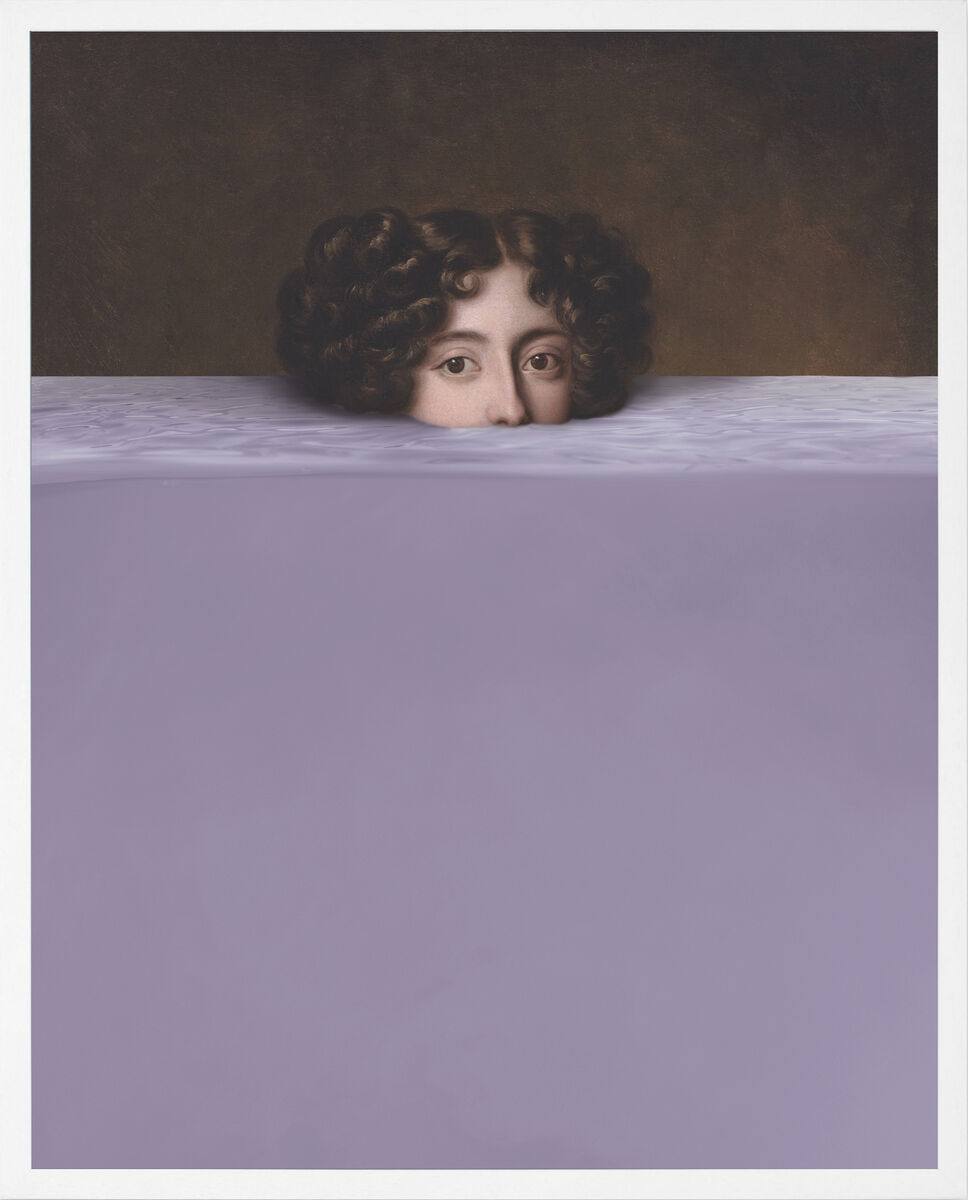
Try a curious lavender lady on the wall. A new collaboration by Y&B and digital artist Kirin Young. Peaceful pastel colours inspired by the original painting they obscure. Submerged 8, €123, mineheart.com.

Purple — both Tyrian purple and indigo — was difficult to produce and had been proscribed by Roman emperors as only to be worn by the most elevated and sacred members of society. Together with the perilous job of collecting the creatures to make the dye at sea, the raw, rotting, stinking flesh of the hapless snails had to be boiled up for days in lead vats.

In China, it took months to render down the roots of the purple gromwell plant to make a dye for fabrics, and 50 baths or more in the colour to create a purple cloth. This again elevated the colour to one of social and supernatural prestige.

The princes of the early Catholic Church, not to be left out, connected purple with Advent and Lent. It is still deeply associated with mourning, and the rites and ceremony surrounding death — all the penance, preparation, and sacrifice needed to pry open the gates of Heaven.

The Tudors deemed purple as only being fit for royalty and gadding around in the bit of lavender-shaded velvet could deem you a naughty, treasonous threat, sufficient to have your head disconnected from your person. Perkin’s 19th-century purple dye was first flagged by its ancient tiles of Tyrian purple and aniline purple before being dubbed mauve after the mallow flower.
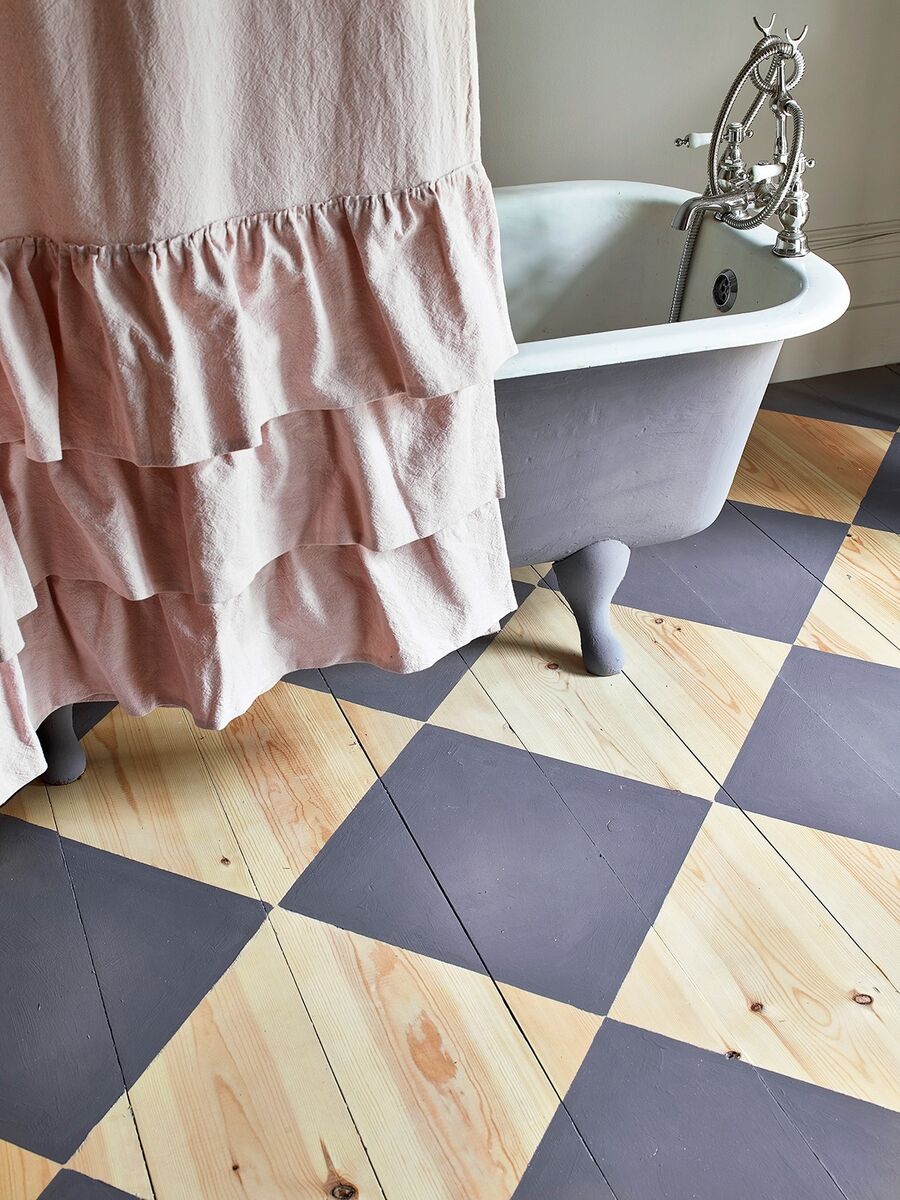
 Lilac flounces make for an unusual shower curtain in this Annie Sloan room-set. Wall Paint in Paris Grey, Chalk Paint in Old Violet, anniesloan.com.
Lilac flounces make for an unusual shower curtain in this Annie Sloan room-set. Wall Paint in Paris Grey, Chalk Paint in Old Violet, anniesloan.com.

Mauve quickly industrialised a colour that was formerly too expensive for the sweaty masses actually building the

First world to afford, and Victorian high society adored it as a fashionable colour for dramatic decorating and extravagant dressing.

Purple is unusual in botany — a relative rarity. Considering the colour, Shug Avery in Alice Walker’s The Colour Purple reflects that God made purple for the pleasure of mankind saying: “I think it pisses God off if you walk by the colour purple in a field somewhere and don’t notice it.”
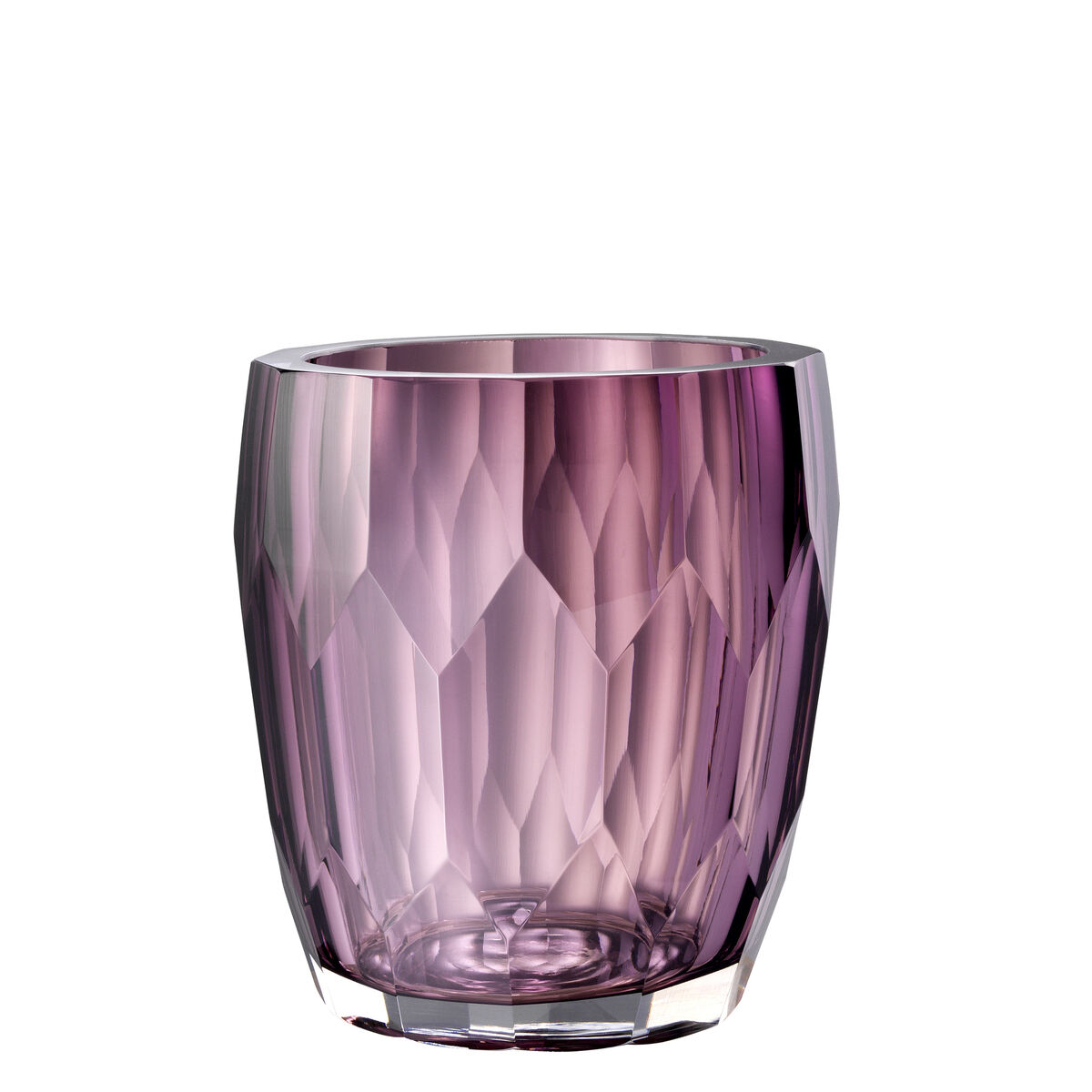
Purple tableware has always read as extravagant and in cut or moulded glass, it has an amethyst flash. Eichholtz Marquis Vase, purple, €94, sweetpeaandwillow.com.

It’s that need to be noticed that is the tension around purple, it’s not instantly recognised as a nature-inspired colour for interiors, and can be something of an aesthetic thug, hard to marry up in schemes.

It retains that wider reputation, throwing luxuriant shade for the aristocrat, the eccentric, the romantic and the rock star.

Pantone Colour of The Year for 2018 was ultraviolet (a sense numbing headache in my view), and its marketing declared in appropriate purple prose: “Enigmatic purples have long been symbolic of counterculture, unconventionality, and artistic brilliance. Musical icons Prince, David Bowie, and Jimi Hendrix brought shades of ultraviolet to the forefront of western pop culture as personal expressions of individuality.” Righto.

Well purple, more distinctly lavender, is here again and so is the hilarious, commercial poetry. Industry trend forecaster WGSN has settled on what it terms “Digital-Lavender” as the interiors shade of 2023. “Recuperative, tranquil, calming” — the oily vanguard of marketing, explains the potential success of this nourishing, pastel bloom as a response to the highly personal, psychological bruising of the pandemic.

Nope, sorry — I have no idea what they are waffling on about. I remain unconvinced that this will be anything like a go-to shade for next year. Digital-Lavender is on the purple scale, and purple like pillar-box reds and sunshiny yellows, is extremely difficult to pull off at scale. Is it a classy contender or just completely out of date? Well that really depends on the purple you choose.
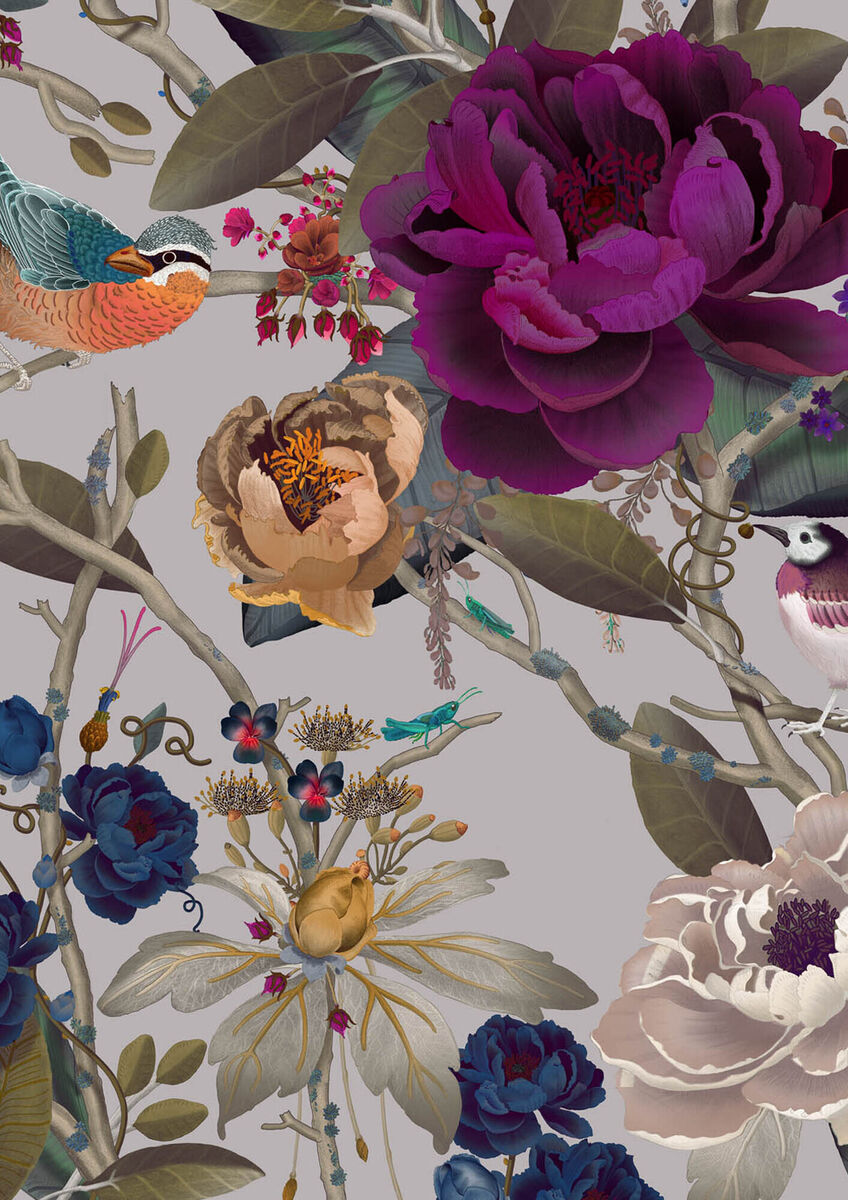
Kit Miles, Peony Japonica wallpaper in high English Country House style including purple cabbage roses, €201.20 per roll, kitmiles.co.uk.

Aubergine? Plum? Deep purples with a strong red base, are highly energetic, powerful colours, great for riffing the 1980s in searing modern colour if you are brave enough. This was a decade of conspicuous consumption and it’s now a feverish era for sourcing those 2023 interior design look-books and for vintage collecting.

As with all deep colours, grape-rich purples can cloak a room in a protective, confident elegance — with shadings taken right over the ceiling if you like. It’s a technique known as “drenching”.

Try layering primaries, including the composite ingredients of purple, by including coral red and a rich cobalt blue in your soft furnishings and artwork. If you’re keen on freshening deep purple against white, try a rain grey for woodwork and plaster details like cornices — far less startling than blistering pure white.

Lavender retains a deep resonance of traditional French provincial, and with its floral background, it’s one of the least artificial-looking purples. Deemed by WGSN, as a colour with “gender inclusivity” (don’t all colours now offer that?) — it has a lot of blue in its make-up, and is a pretty addition to intimate spaces like bedrooms and hallways and of course in accessorising.

If all this sumptuous, spiritual baggage of being a purple, doesn’t put you off, lavender could deliver a highly individual, expansive room with the right companion colours. In the 1980s, pink and lavender were used as tonal matches — often inflicted on a pre-teen girl’s bedroom. In terms of schemes — today lavender can sit against white, gold, and pastels and it is a very good marry-up shade for griege (grey beige, a popular new neutral). It still has a undeniable daintiness to it and is soothing and pretty in small doses.

Johnathan Adler (seldom wrong about domestic interior trends) has said he is “obsessed” with the shade, and little wonder considering his dolly mixture inclined room-sets. My advice for wider wall treatments would be to pursue any purple — passion in these more earthy, grey-based, pale expressions recalling heathers, limestones, and naturally sourced shadings over super sweet, lilac dainties, and roaring royal purples.

More in this section

Revoiced

Newsletter

Sign up to the best reads of the week from irishexaminer.com selected just for you.

Cookie Policy Privacy Policy Brand Safety FAQ Help Contact Us Terms and Conditions

© Examiner Echo Group Limited