Rare conifer cones for the first time in cultivation at National Botanic Gardens of Ireland
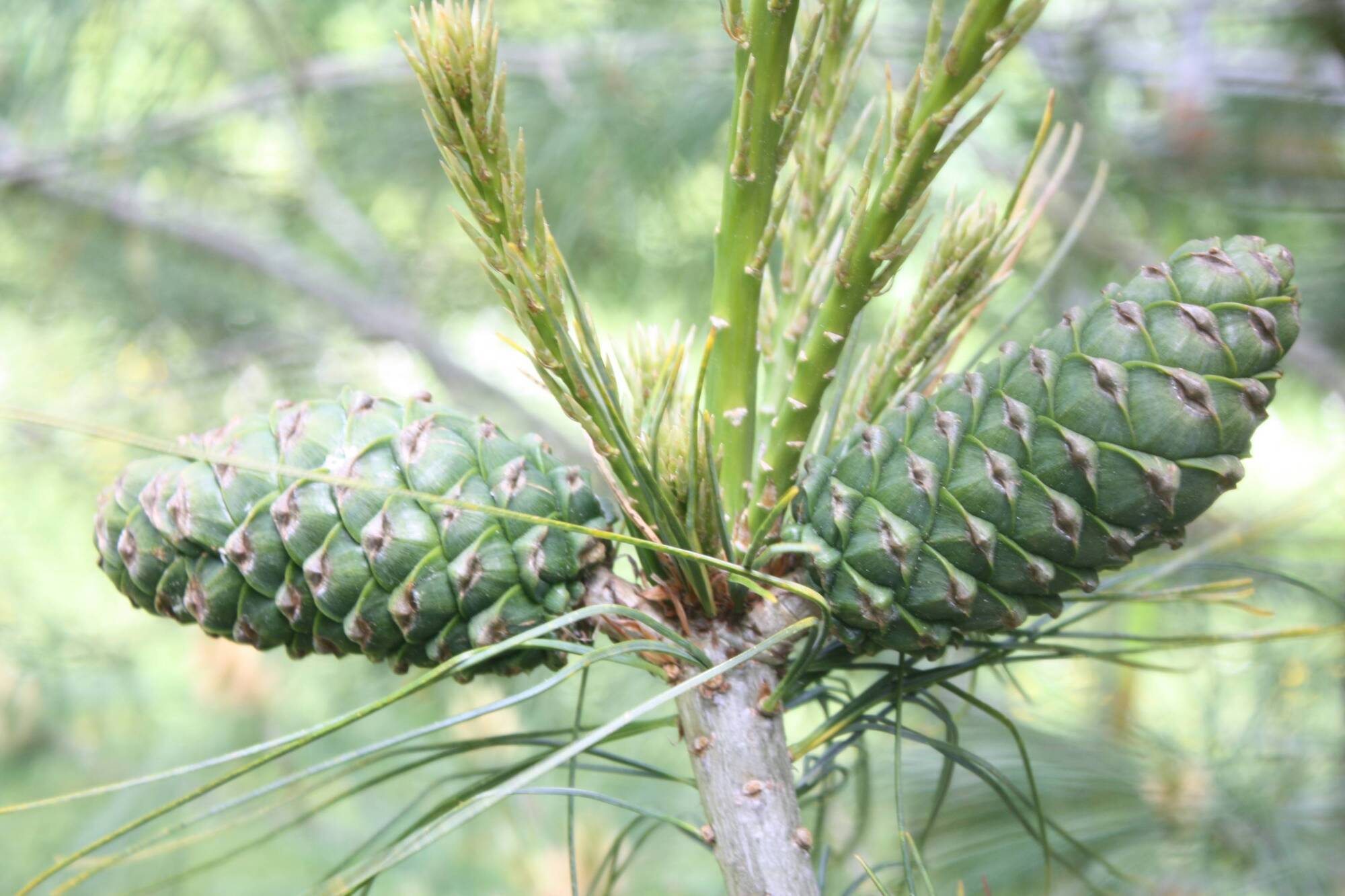
One of the world's rarest conifers, Pinus armandii var. dabeishanensis, originated in China 
Rare conifer cones for the first time in cultivation at National Botanic Gardens of Ireland

One of the world's rarest conifers, Pinus armandii var. dabeishanensis, has coned for the very first time in cultivation at the National Botanic Gardens of Ireland, Kilmacurragh.

With all the talk of species extinction and bad news about our own species’ future on this planet, it is wonderful to hear some good news coming out of Ireland. One of the world’s rarest conifers, Pinus armandii var. dabeishanensis, has coned for the very first time in cultivation at the National Botanic Gardens of Ireland, Kilmacurragh.

This pine is native to the Dabie Mountains in China and according to Dr Sun Weibang, of Kunming Botanical Gardens, a member of the Chinese Academy of Sciences, it is not cultivated in Chinese gardens, so outside its native range the Kilmacurragh tree is the only known cultivated plant in the world.

The head of the International Conifer Conservation Programme, Martin Gardner, estimates that there are about 36 left in the wild in the Dabie Mountains and that it is expected to be updated to being a species in its own right and will be listed as critically endangered.

So how did such a rare tree end up growing in a garden in Co Wicklow? Well, seed was collected from the trees in the wild by Roman Businsky in 1999, in the Dabeishan range of mountains in central China’s Anhui province and the seed was distributed to botanical gardens around the world.

The Kilmacurragh specimen arrived in 2001 via Martin Gardner, who is based at the Royal Botanic Garden Edinburgh.

CLIMATE & SUSTAINABILITY HUB

It has unfortunately failed everywhere else but here, where it stands at about 4m high with a spread of about 3m. It is expected that it in time it will reach as high as 30m.

According to Seamus O’Brien, head gardener at Kilmacurragh, it could be just luck that has allowed it to survive “but I hope it is more a sign that we are doing something right”. Well, they are certainly getting it right in Kilmacurragh and though Seamus would be the last to look for any trumpet blowing, celebrations and loud applause are indeed deserved.

The Dabeishan pine is incredibly rare in the wild and the Kilmacurragh tree is the only specimen known to have succeeded in cultivation, a small bit nerve-wracking for any head gardener to know that they are tending the only known specimen growing in cultivation in the entire world.
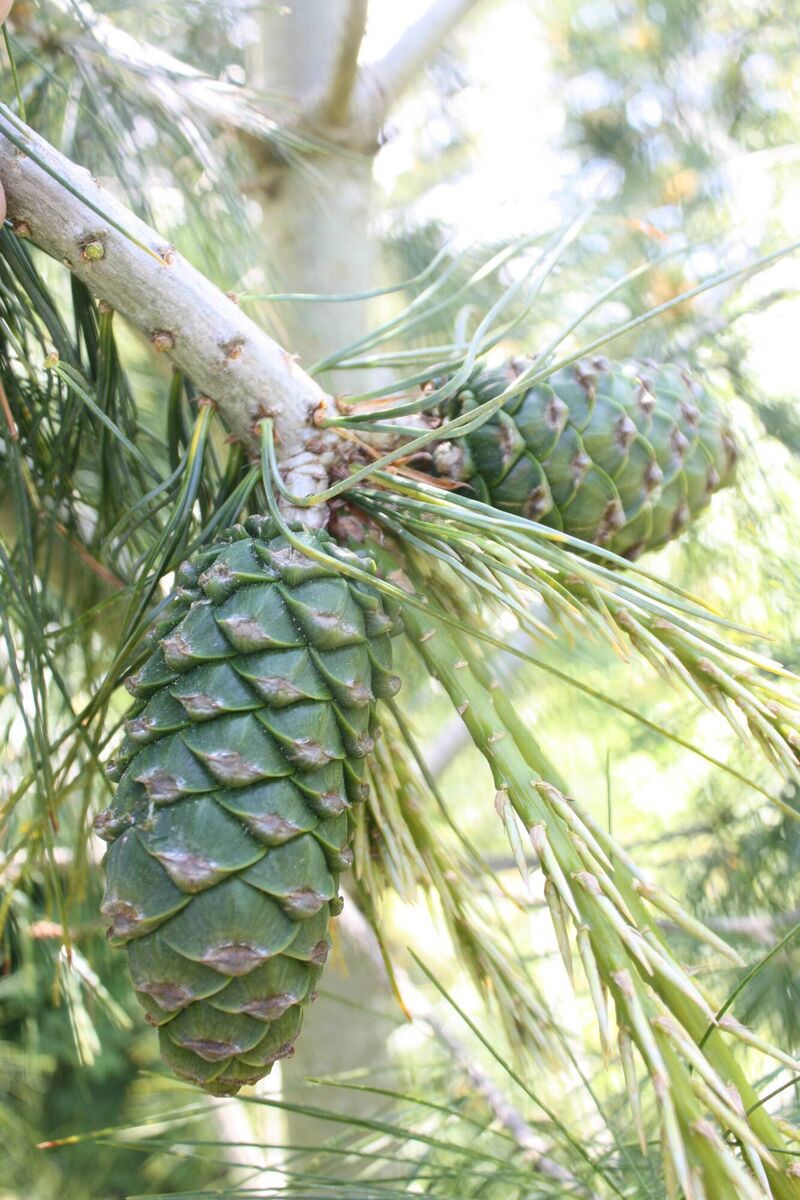
It is planted in a sheltered position, off the east walk, in deep brown acidic soil.

According to Seamus, the conditions are quite similar to where they would grow in the wild, Kilmacurragh’s high rainfall, and proximity to the coast provide the optimum conditions for growing not just the Dabeishan pine, as this species is also from a high rainfall area, but also many other plants.

Interestingly, as Kilmacurragh’s sister garden, the National Botanic Garden in Glasnevin, is getting drier, rainfall levels in Kilmacurragh are going up and so a lot of work to improve drainage has been done over recent years.

The Kimacurragh Pinus armandii var. dabeishanensis is currently being painted by local botanical artist Lynn Stringer so that it can be recorded for the annals of botanical history and it is planned to have it figured in the near future in Kew’s Curtis’s Botanical Magazine, the longest-running botanical magazine in the world, in which several of Kilmacurragh’s plants have featured over the past century.

Seamus is keen to soon start grafting some material onto some Pinus armandii rootstocks so that it can be further distributed but what about the seed from this specimen.

“Well, phantom pregnancies aren’t unknown in pines, and we won’t know until late autumn when the seed should be fully ripened whether or not there is any seed in the cone,” he says.

“We are hopeful it will pollinate itself.” But as there is no isolated tree growing anywhere on the planet, they won’t know until the autumn, a bit like waiting for your horticultural lotto numbers to turn up.

In response to me wondering how excited he is about all this, Seamus replies: “It makes a garden like Kilmacurragh and maintaining such a garden, so worthwhile when you know that it is doing its work in conservation.”
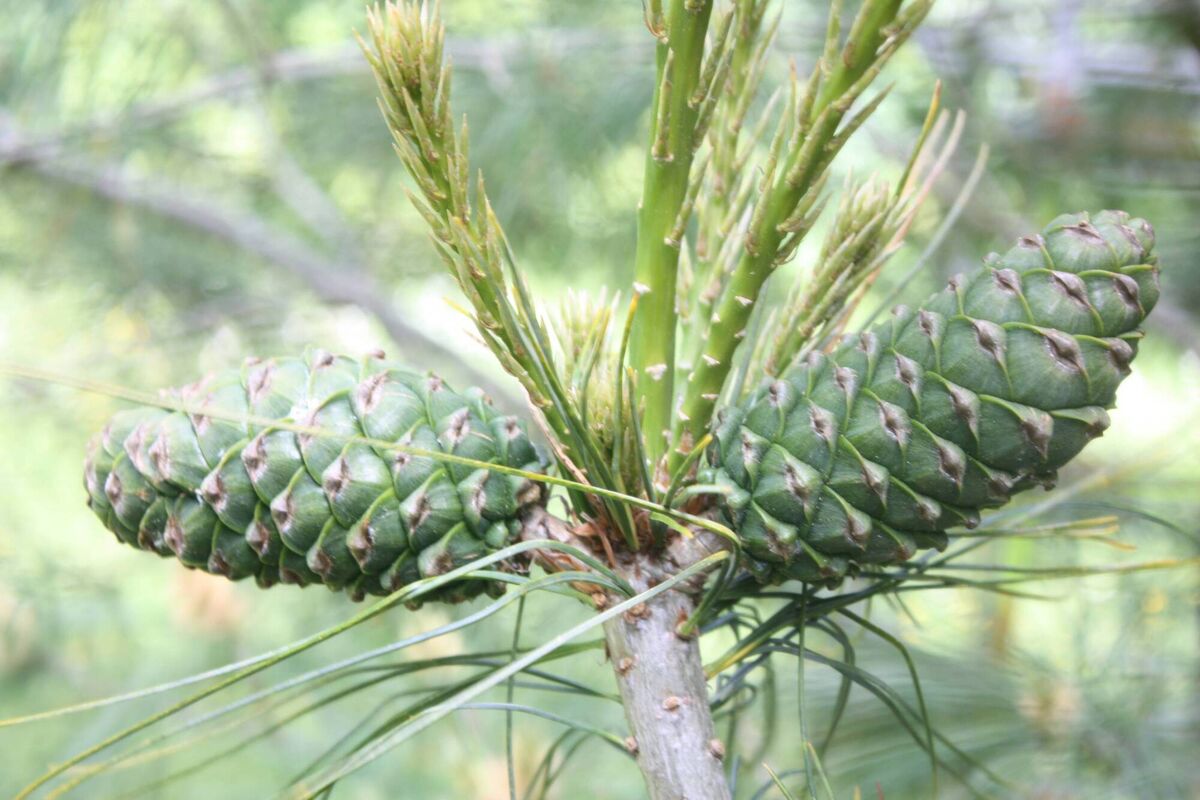

One of the world's rarest conifers, Pinus armandii var. dabeishanensis, has coned for the very first time in cultivation at the National Botanic Gardens of Ireland, Kilmacurragh.

To say that it is doing its job in conservation is an understatement, Seamus looks at Kilmacurragh like a botanical Noah’s Ark so to speak, offering safe and expert care for many at-risk and endangered species so that, if the worst were to happen in the wild, there will be at least one growing in cultivation in Kilmacurragh.

Aextoxicon punctatum is a tree, native to Chile and incredibly rare. It is similar to holly as it is dioecious, meaning that you need a male and female form to produce seed. There are two specimens in Kilmacurragh and, as luck would have it, one is male and one is females and so, this garden is home to the only fruiting tree outside of South America.

“We are only repeating history, as you can see in one old photo taken in the 1890s by the Acton family the original owners and creators of the garden at Kilmacurragh, a specimen of Pilderodendron uviferum with the handwritten note ‘only known plant in Europe’,” says Seamus. It’s a bit more widespread now thanks to work of conservationists such as the Acton family and Edinburgh Botanical Gardens.

Scots pine, Pinus sylvestris, was thought to have died out in Ireland in the 17th century; however carbon analysis of a remnant patch in the Burren, carried out by Trinity College Dublin proves that these trees are absolutely native and their provenance can be traced back through the centuries. Eighty seedling trees from those growing in the Burren are making their way to Seamus in Kilmacurragh as part of their ex-situ conservation which means that the genetic diversity of this purely native strain is assured, for some time to come.

But before they arrive, Seamus is going on holidays, and where is he going, well, botanising of course, looking for alpine plants in the mountains of Kashmir.

More in this section

Revoiced

Newsletter

Sign up to the best reads of the week from irishexaminer.com selected just for you.

Cookie Policy Privacy Policy Brand Safety FAQ Help Contact Us Terms and Conditions

© Examiner Echo Group Limited