Peter Dowdall: Here is how to control blackspot on your roses
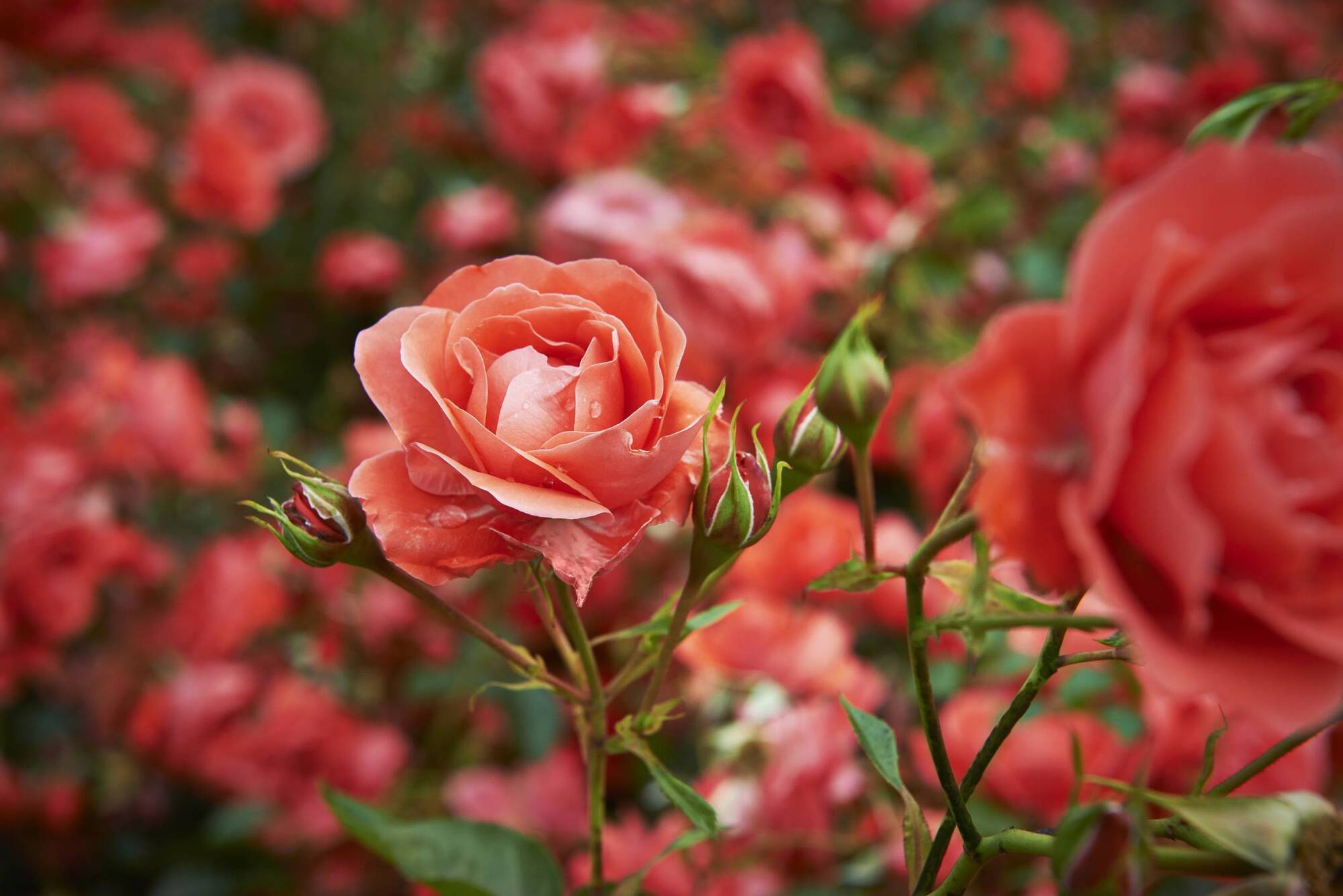
There are thousands of rose varieties to choose from when selecting for your own garden. Picture: iStock
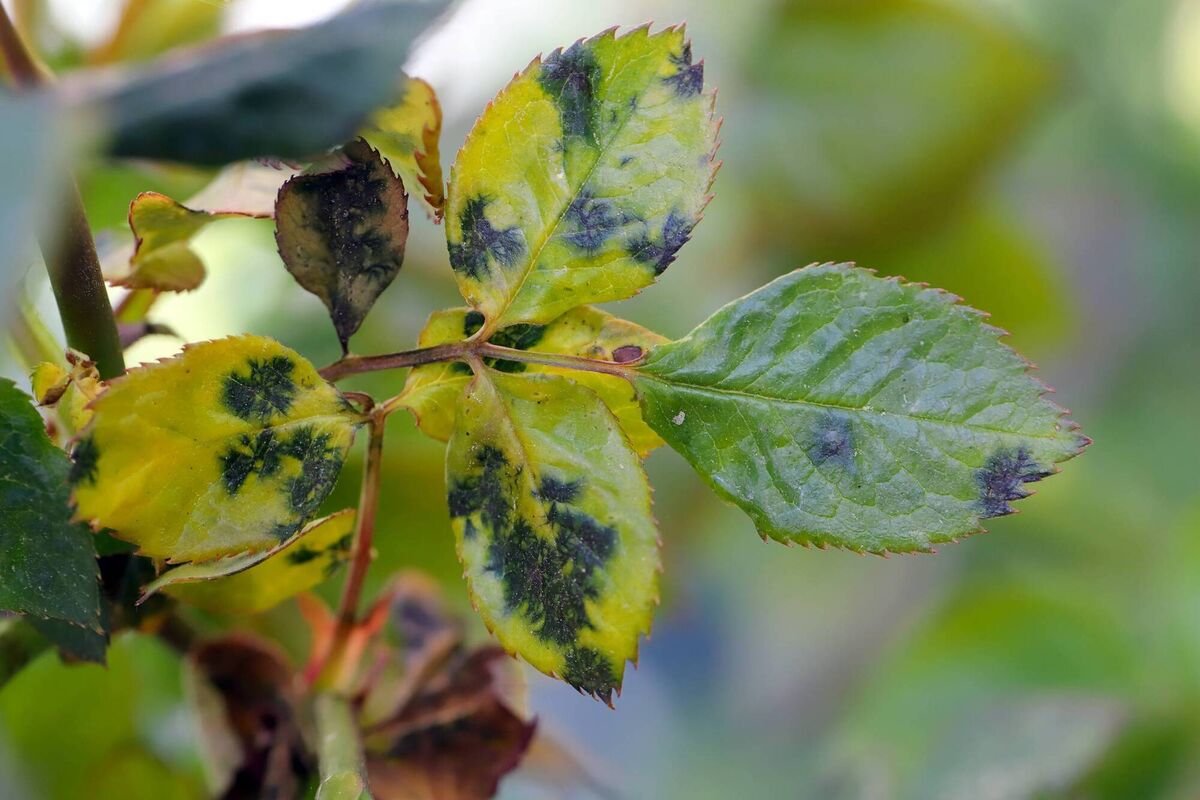
I have been inundated with questions recently about how best to control blackspot on roses.
As with most plant problems, it’s always good to understand a bit about the disease before we try and treat it.
Rose blackspot is a fungal disease as are the other common rose problems such as rust and powdery mildew. Our warm and damp Irish climate provides the ideal conditions for the development of such fungal infections.
Always the first course of action with any fungal problem is cultural control which is a fancy way of saying good pruning and plant hygiene.
Prune off any infected stems and leaves and don’t dispose of them in the compost bin as this could spread the problem. As we are all experts on disease prevention after the last few years and we need to maintain this hygiene in the garden so as not to spread infections. Clean all your pruning tools with a good quality organic garden disinfectant so as not to spread disease from one plant to another.
Prevention is easier than cure with such infections and by correct pruning during the winter months, you can lessen the risk of blackspot and other diseases. Prune quite hard and always to an outward-facing leaf bud.
This will ensure that when growth begins in the spring that the shoots and stems will be growing outwards and away from the centre of the plant. If all the branches are growing inwards then that creates a very congested plant with very poor air circulation within and again, ideal conditions for fungal growth.
Also with a congested plant, branches grow across each other and inevitably rub against each other.
This leads to abrasions and open wounds, again perfect opportunities for disease spores to enter and get a hold in the plant.
Just as the plant is coming into growth in the springtime a drench with copper sulphate will help to prevent the establishment of fungal infections.
Feed your rose plants too with a good quality rose food or even better a good mulch with rich organic matter. This can be farmyard manure, or similar or even your own homemade compost. When adding organic matter like this, you're not only giving the plants nutrients but you also benefitting the soil around the rootzone by improving the texture and humus content. It also brings further, often intangible benefits to plant health such as improving plant immunity.
Roses in general are hungry feeders so improving the soil and using a good liquid rose feed during the growing season will really help o keep the plants healthy and resistant to diseases.
Another useful tool in preventing your roses from getting blackspot, rust and mildew is to use resistant cultivars. As the term suggests, these are varieties which have a built-in resistance and are therefore more trouble-free.
There are thousands of rose varieties to choose from when picking for your own garden and to me, it only makes sense to choose resistant cultivars for you are bound to be able to source a resistant type in the colour and form that you want.
Why condemn yourself to years of hassle and heartache of treating blackspot on a pink rose when there is a perfectly suitable resistant form available.
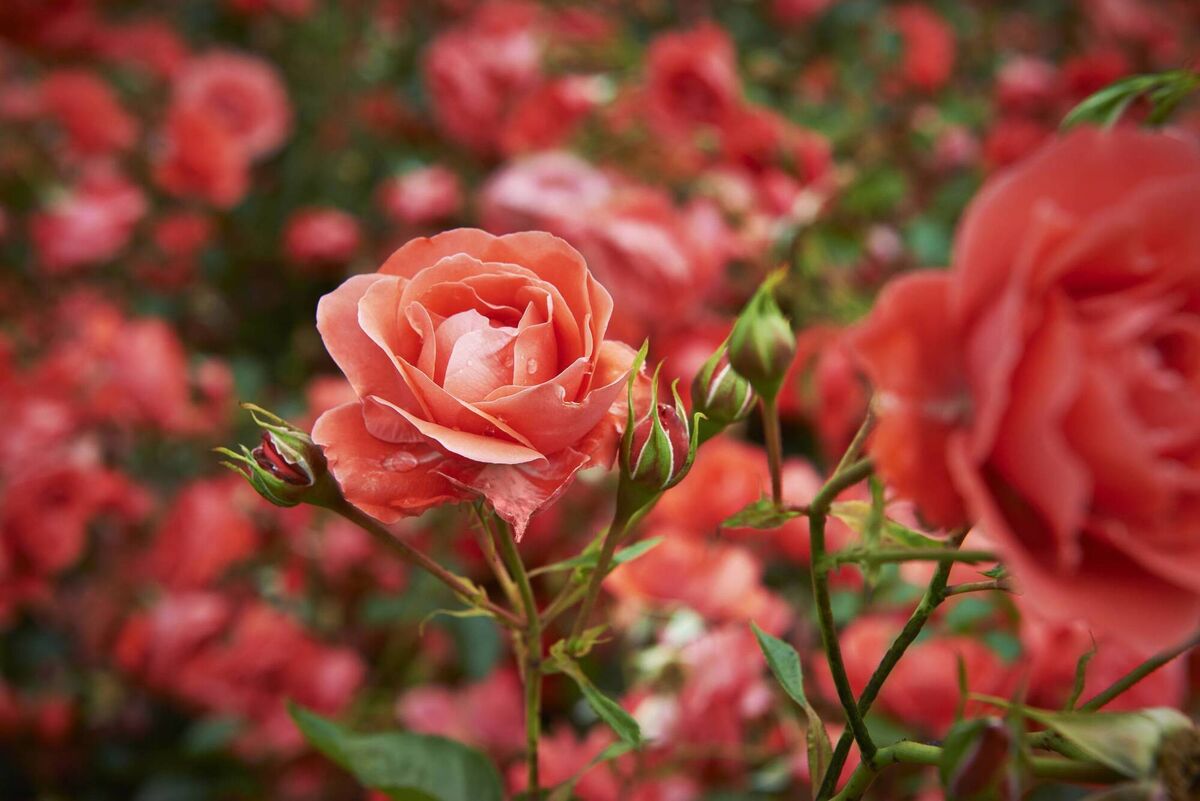
David Austin was a self-taught horticulturist who dedicated his life to breeding roses. He died in 2018 but the David Austin Roses nursery in the UK continues to supply roses which combine the best characteristics of Old Roses and Hybrid Teas, along with good disease resistance.
In 1961, Rosa Constance Spry was the first commercially available David Austin rose. Since then, several hundred cultivars have been developed by the English nursery.
They all offer disease resistance and scent, to a greater or lesser degree and I have yet to find a David Austin hybrid that I don’t like and I suspect I never will.
When you have chosen the correct resistant variety, and practised pristine cultural control including correct pruning, the application of good quality organic matter, feeding and correct positioning, then all you will have to worry about, is rose balling, aphid infestations, rose dieback and rose leaf curling sawfly to name but a few common rose problems.
All this could lead you to wonder are roses worth all the hassle and do you know what the answer to that is?
A resounding yes for there is nothing in the garden that can bring such, joy, beauty, elegance and scent. Do remember though that the best roses for bees and other pollinating insects are the more simple forms with single or semi-double forms. Hybrid teas, though picture-perfect to look at may as well be artificial to bees. Instead look for Rosa rugosa, Rosa canina and Rosa persica types.

- Got a gardening question for Peter Dowdall? Email gardenquestions@examiner.ie


CONNECT WITH US TODAY



Be the first to know the latest news and updates