How a letter turned this Home of the Year into a Tardis for owner

Jen Sheahan, and her late 1800s artisan cottage in Dublin. Picture: Joe McCallion
When I won on RTE One last year, I received a letter from the niece of the previous owner of my house.
Her aunt, Nancy, was born here and lived here her whole life. It was such a kind thing to do — having some insight into the life of my predecessor makes me feel more connected to my home.
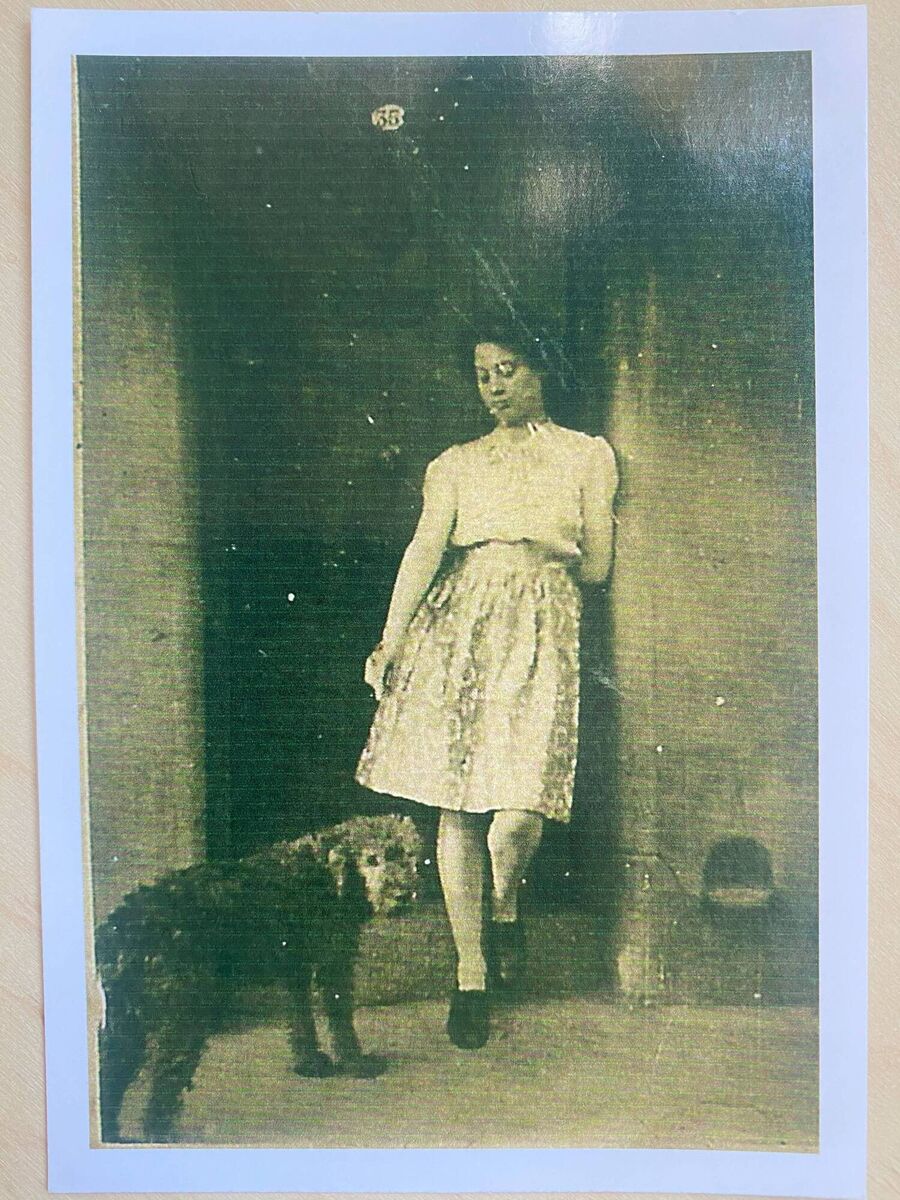
She told me it had always been a happy home, and that Nancy “liked a pop of colour” (a woman after my own heart).

I’m not usually one for such things as destiny or energy fields, but whatever it is I felt it as soon as I walked into this house.
Having hummed and hawed for a whole year of house hunting, here I put in an offer on the spot and haven’t had a second of regret since — it is still a very happy home.
This feeling of connection prompted me to look further into the history of this cottage.

I’ll start inside, by looking at the design elements I inherited in my cottage.
Nancy was a lady with good taste and her chosen interiors are emblematic of popular styles in Ireland in the 20th century. They tell a tale of life here not so long ago, parts of which will be familiar to many of you.
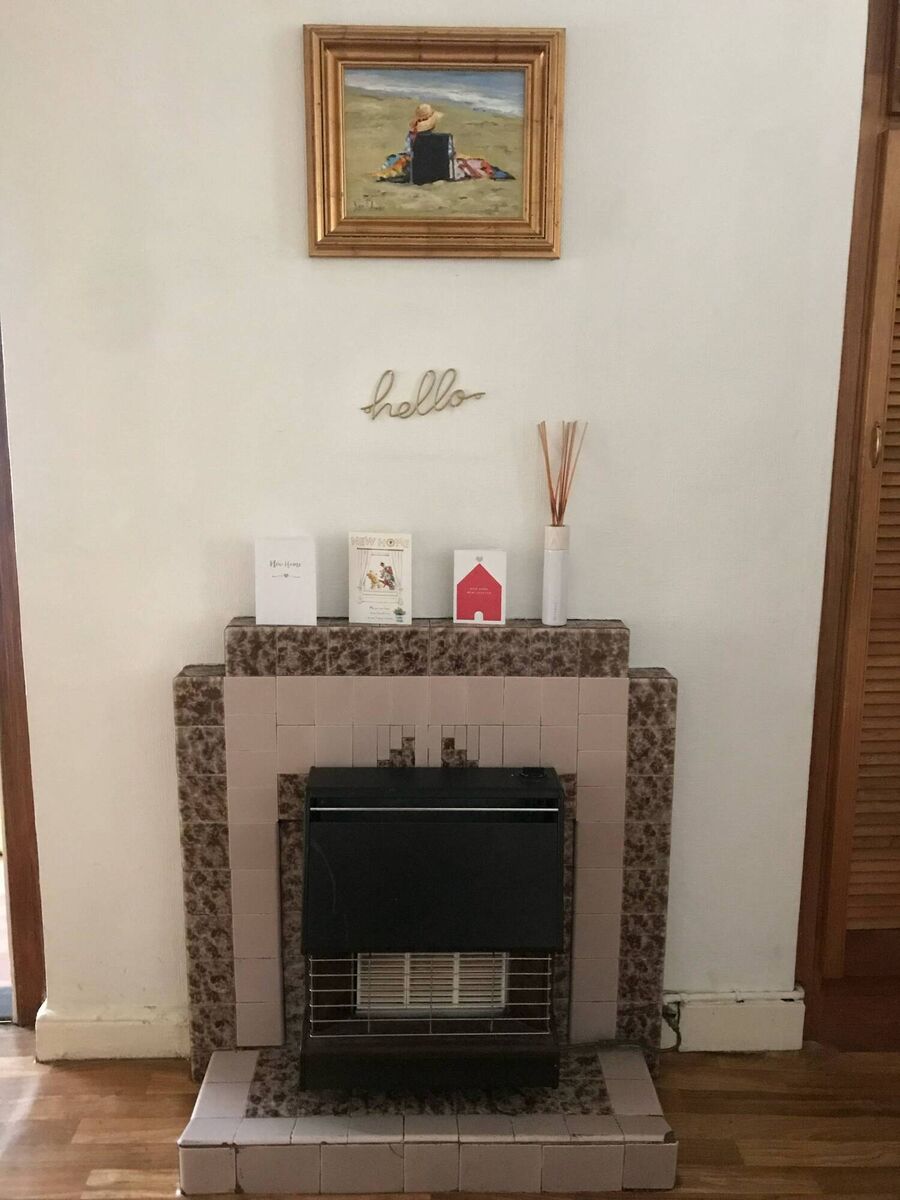
Nancy’s niece told me that Nancy “liked nothing more than to sit by her fire”.
Originally, this cottage had one chimney breast in the middle of the house, with three fireplaces opening into each room.
This was an effective way to heat the entire home, before the advent of central heating. Nancy, like many others at that time, had an art deco tiled fireplace installed in her living room.
Art deco appeared in Europe in the early 20th century, belatedly becoming popular in Ireland around the 40s. Perhaps the most popular example of art deco architecture is Archer’s Garage on Sandwith Street in Dublin 2.
An explosion of art deco fireplaces invaded Irish homes around the same time, many of which are still around today, characterised by geometric patterns and often featuring curved tiles.

Unfortunately I had to remove the chimney to make space (my downstairs bathroom is in its place now), but I would love to have retained this feature and cosied up beside it as Nancy did.
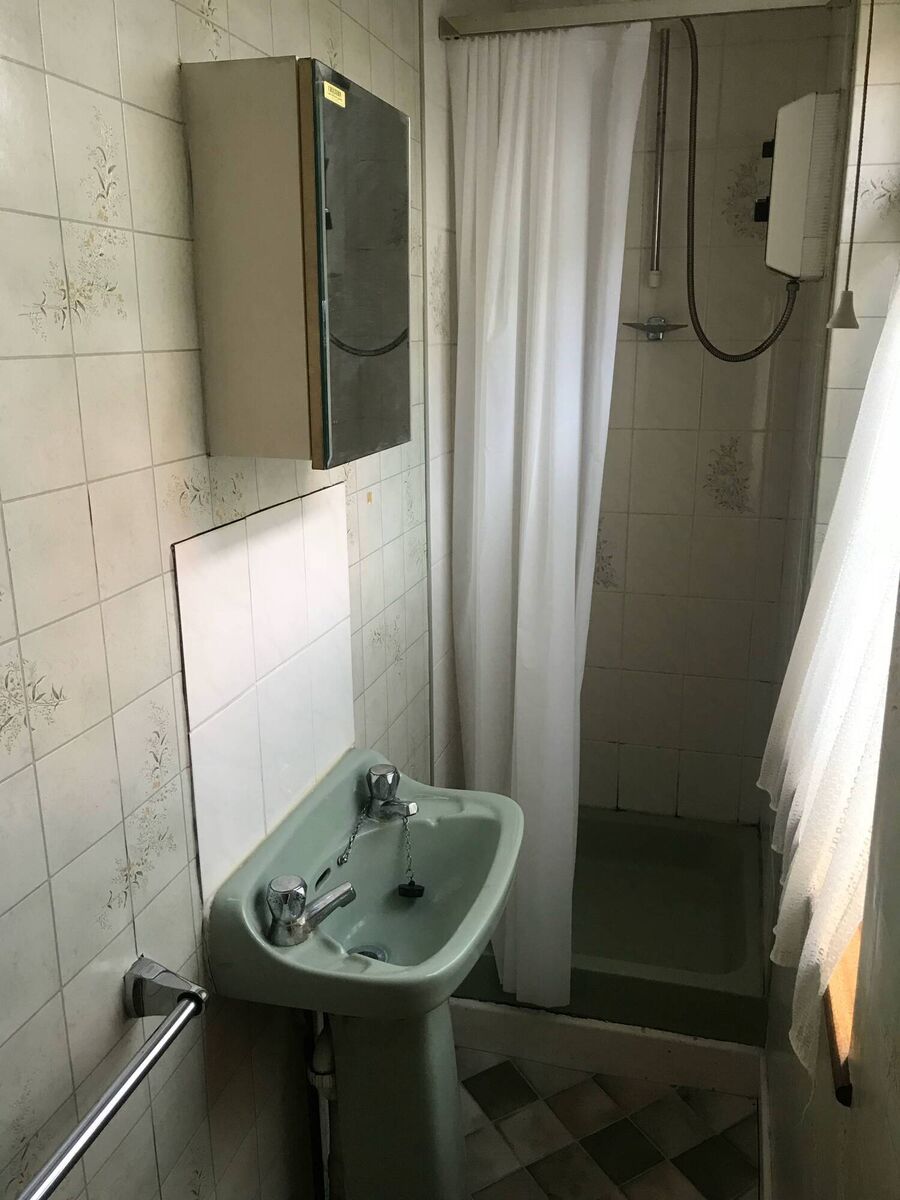
Organic colours such as greens, mustards, and earthy oranges became popular around the 70s, following the harsher space-agey hues of the previous decade.
“Ooh, green,” thought Irish homeowners of the 70s, who collectively became obsessed with demonstrating this via the medium of avocado green sanitaryware.
I may be a lone voice here, but I’m going to come right out and say that I can see why.
While the nation seemed to fall out of love with the avocado bathroom around the 90s, frankly I think the modern home renovator could do worse than to find themselves with a retro green bathroom set and consider how to put a modern twist on it.
Nancy’s avocado bathroom was demolished for other reasons which we’ll get to next, but part of me misses it.

A trend born of necessity rather than choice, the fact that the original bathroom in my house was an afterthought is the reason it was demolished when I renovated. I don’t think Nancy would mind this decision.
When this cottage was originally built in the 1890s, internal plumbing would not have been a feature.
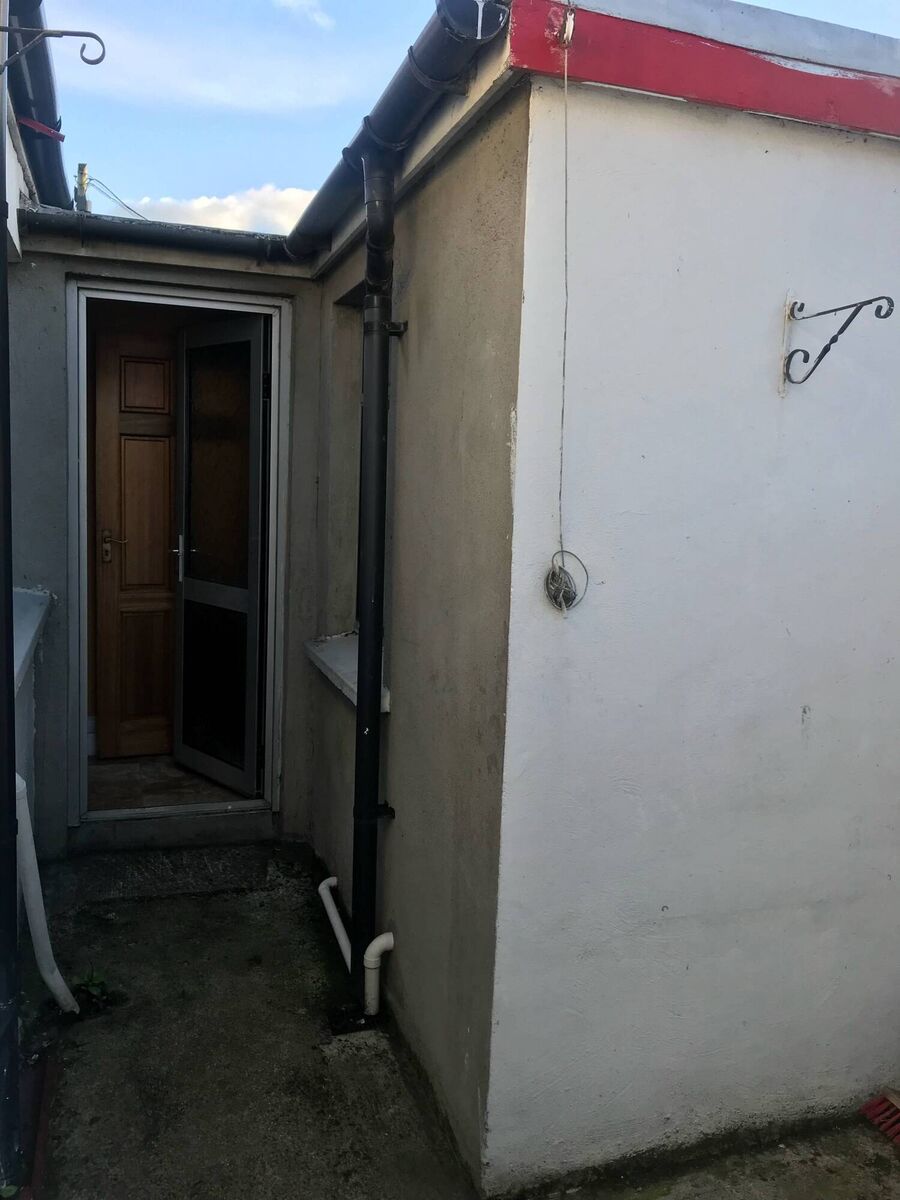
Nothing unusual in working class Ireland — indoor plumbing was the purview of the very rich until the late 1910s, therefore the original bathroom in Nancy’s cottage was a later addition.
For ease of plumbing, and due to space constraints, the bathroom was built as a breeze-block extension out of the kitchen.
Unnervingly, the kitchen and bathroom windows directly faced each other, which is a design decision I do question. However, having a working bathroom accessible directly from the main house is not a luxury to be underestimated — many homes in Ireland up to the mid 1900s only had outhouses, requiring the users to run outside to do their business.
My grandaunt had one in her back garden which we as children, spoiled with indoor plumbing, found absolutely fascinating. Next time you pop to the loo, consider how lucky we are to do so in comfort!
Nancy had a wood-effect lino throughout most of her home, which in my opinion was a genius decision. I’m not sure when Nancy first had it installed, but it was still in pretty perfect condition when I bought the house in 2019.
Lino was invented in England in the late 1800s and became popular in Ireland not long afterwards.
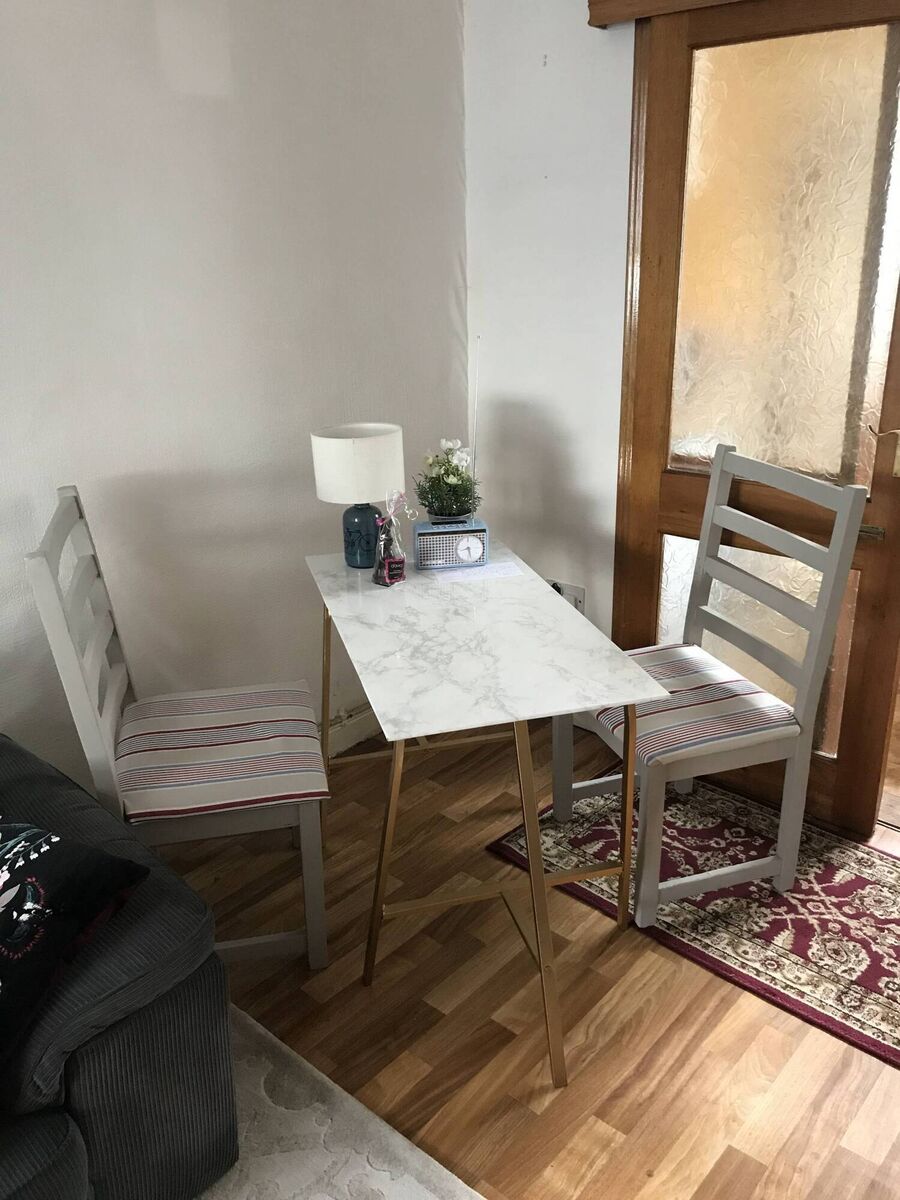
As a material it’s hard to beat — it’s inexpensive, durable, and versatile. It can be used in kitchens and bathrooms, and it comes in every pattern and colour imaginable.
For these reasons I copied Nancy’s decision and installed LVT (luxury vinyl tiles) throughout most of my downstairs (including my kitchen).
LVT is essentially fancy lino, and in fact is often made with recycled lino materials. Thanks for the idea, Nancy!
Next week I’ll be diving into the history of my neighbourhood — the original purpose of the cottages as firemen’s houses, and life on a street where families of 15(!) lived in these tiny homes.
- Got a question for Jennifer Sheahan? Email homeimprovement@examiner.ie

CONNECT WITH US TODAY



Be the first to know the latest news and updates