Shade-loving plants: 5 ways to bring dark corners to life in your garden
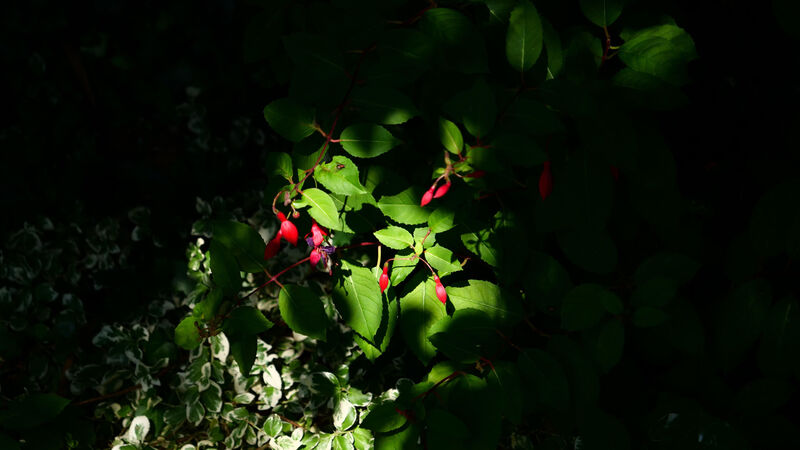
Which plants do well in the shade? (Alamy/PA)
Wondering which plants do well in shade, or what to plant in a garden that doesn’t get much sun?
When it comes to plants that flourish in poorly lit spaces, it turns out there are different types of shade to consider – from full shade to partial shade, filtered or dappled.
“The thing is, there’re loads of different sorts of shade. It’s just not all the same,” says gardener and writer Susanna Grant, co-founder of Linda (hellotherelinda.com), a shade-plant specialist and planting design consultancy.
“Your soil could be damp, it could be dry. Also, building shade is different to tree shade because trees are deciduous and the leaves fall. So there aren’t any hard and fast rules.”

Far from a case of one-shade-fits-all, Grant says it’s all about understanding the sort of shade you have, when it comes to choosing the best plants for them – and she outlines lots of tips on how to work with the light and bring dark corners to life in Shade (Frances Lincoln), one of a series of new books in collaboration with award-winning magazine, Bloom.
“How many hours [of sun] and whether it’s full, full shade, or whether it’s just that you don’t get direct light but you’re not overcast, that sort of thing,” she explains.
When working with a shady garden, Grant says her main rule is to look to different shades of green and different shapes of foliage. “You do get lots of things that flower in the shade, but ultimately, it’s more about foliage. So if you have lots of different greens and shaped foliage, that can make a really lovely textured but also relaxing background to look at.
“Also, for most gardens, even sun-drenched ones, the flowers don’t last forever. If you don’t have nice foliage, and you don’t have contrasting shapes of green, it’s just all going to look a bit dull.
“The other thing about shade gardening is it can be really restful, there’s something kind of really calming about it,” she adds. And that’s why grasses are important, because they can add a bit of movement.
“Obviously, you have to take things with a pinch of salt, because I grow things that say they need full sun and they’re quite happy in part shade,” she continues. “Lots of things might actually prefer a bit of shade because it’s not so relentless. It’s only when you’ve got full shade that it’s harder.”
Interestingly, Grant says she thinks all gardening is trial and error, and what you often find is things can change shape in different settings.
“You might grow, say, a viburnum, which is a really lovely scented shrub. You might grow that in full sun and it can be a big bushy thing. And then I grow them in shade, and they tend to be much more airy, and they’re not nearly as bushy,” she explains. “But I actually prefer the shape because it’s a really lovely structural shape, not sort of chunky, because they’re stretching for the light and become more graceful.
“I also think, if you really want something to grow, just try it – because with all gardening, you’ve just got to try it. If it dies, it dies, and you’ve just got to think, ‘OK, that didn’t work’. You just never know. If you’ve got your heart set on having loads of agapanthus in your garden and you don’t get much sun, I would give it a go and try one.”
Ready to start planting? Here are some of Grant’s top tips…
1. Climbers
“Although most climbers aren’t suited to deep shade, many like their roots shaded, as they grow towards the sun and there’re some that are definitely suitable for north-facing walls.

“If you’re planting them in the ground, make sure they’re around 50cm away from any walls or fences, so they’re not in a rain shadow and can receive rain.
“You also need to give them adequate support. Clematis can look beautiful scrambling through trees, but plant it 1m from the trunk and then train it towards the tree. Pots are fine for most climbers if they’re a generous size — I’d say at least 45cm tall and wide — but you need to ensure they don’t dry out.”
2. Shrubs
Grant says certain shrubs are small enough and tolerant enough to survive in part shade.
“They’re broadly familiar with being part of the understorey, and therefore making the most of the light that filters down through the trees above them,” she explains. “It’s worth noting that if they’re planted in pots, shrubs won’t reach the maximum height, which isn’t always a bad thing.”

Grant’s top three shrubs to style up your small space are chaenomeles speciosa ‘Geisha Girl’ (flowering quince); fatsia polycarpa ‘Green Fingers’ and viburnum x burkwoodii.
3. Ferns
“Ferns are one of the first plants people think of for shade. Evergreen options can add structure and winter interest, and the perennials often have the most magical unfurling foliage in fresh greens, coppery-pinks or silvers — there’s a wonderful variety of foliage shape and size to explore,” says Grant.

“Some ferns take to dry shade, while some really need to be kept moist — if you don’t let these dry out and mulch them regularly, they’ll work hard.
“Pretty much all ferns grow well in pots, as they have shallow roots. A combination of three ferns with contrasting foliage in a large pot is a winner for a shady corner.”
Three of Grant’s favourite ferns are adiantum venustum (evergreen maidenhair), dryopteris erythrosora (copper shield fern), and niponicum var. pictum (Japanese painted fern).
4. Grasses

“I love grasses in a shady border. They can really lift the planting by adding movement and a more naturalistic vibe, breaking up clumps of ferns or evergreen shrubs. Many work in pots or planters and are invaluable for balcony planting. Most grasses can deal with some shade, but do check the requirements, just in case.”
Grant’s top three suggestions to up your grass game are hakonechloa macra (Japanese forest grass), luzula nivea (snowy woodrush) and melica uniflora f. albida (Siberian melic).
5. Perennials
“There are so many perennials to choose from. If you like the look of something, do a little research and see if there are other cultivars with colours or heights you prefer,” says Grant. “Finding the right plants that work for you takes time.

“Since most annuals prefer a sunny spot, perennial plants are essential to the shade gardener. These are wonderful plants that generously return year after year, often bigger and better.”
Grant’s top three perennials to pretty up your place are begonia grandis subsp. evansiana var. alba (white hardy begonia), thalictrum delavayi ‘Splendide White’ (Meadow rue) and lamprocapnos spectabilis ‘Alba’ (white bleeding heart).

Shade by Susanna Grant is published by Frances Lincoln on April 5.
CONNECT WITH US TODAY



Be the first to know the latest news and updates