Retrofitting: See how two Cork houses got a new lease of life
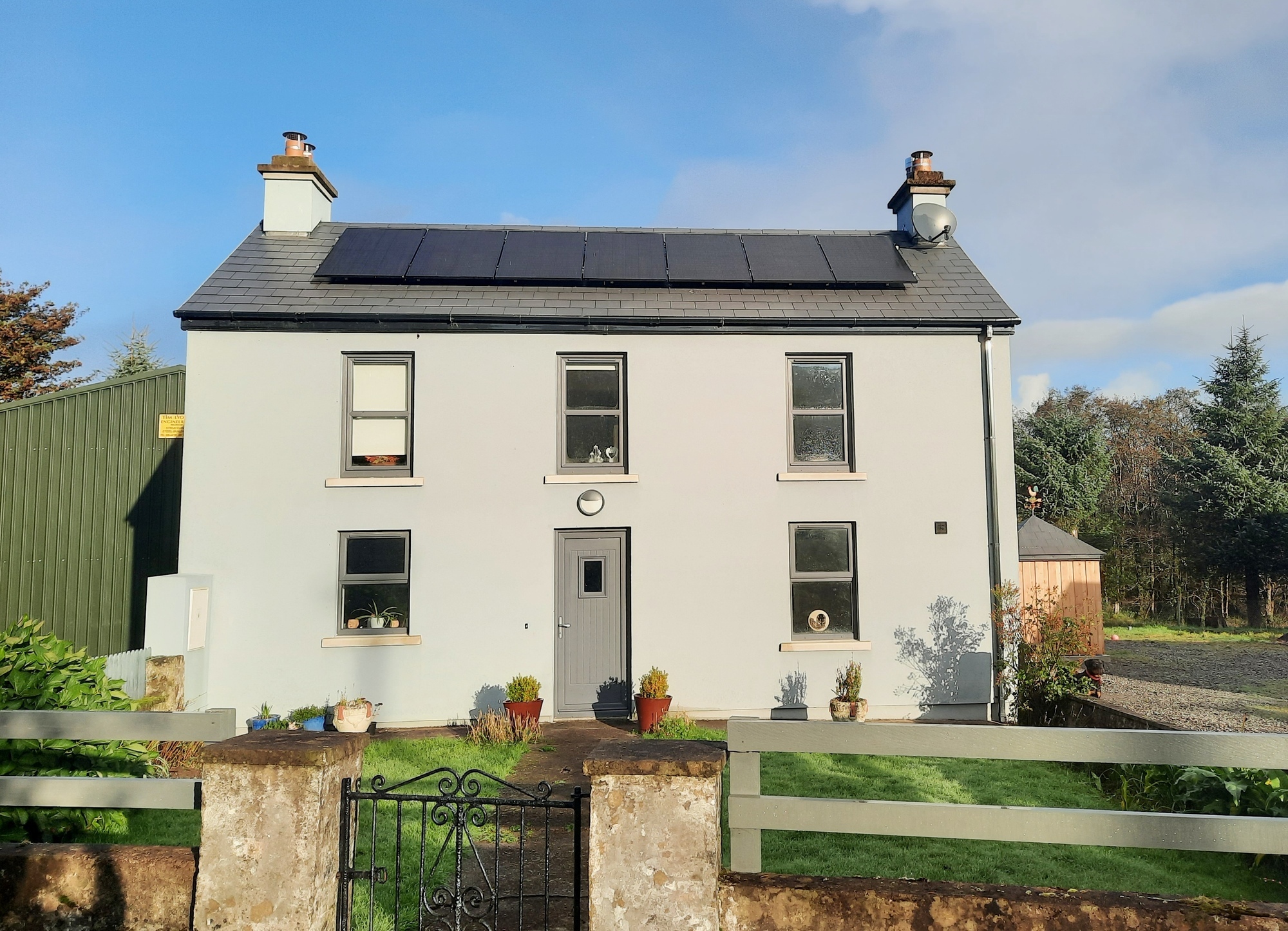
It took over €40,000 of a spend for the Tobin family, €15,000 of that on insulation alone, but proof positive that a 1960s home can run at 20C on a primary heating system.
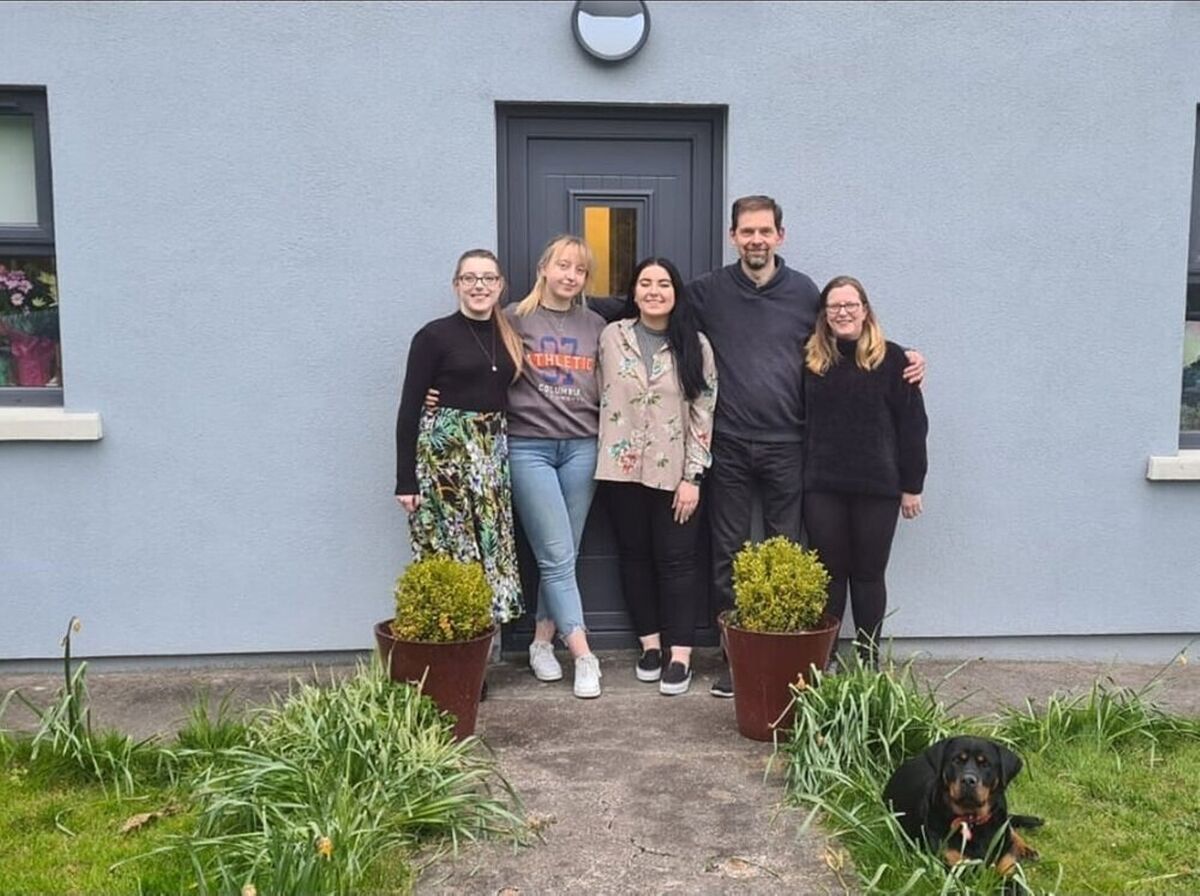
Danny Tobin lives in a mid-century built farmhouse in Dunmarklun, Lissarda, County Cork, with his wife Valerie, and daughter Chloe. He’s quite sure that they were regarded as being completely mad to move from a comfortable four-bed semi-D in Carrigaline, to a mobile home sheltered in a shed, in the middle of the countryside at the start of a global pandemic.
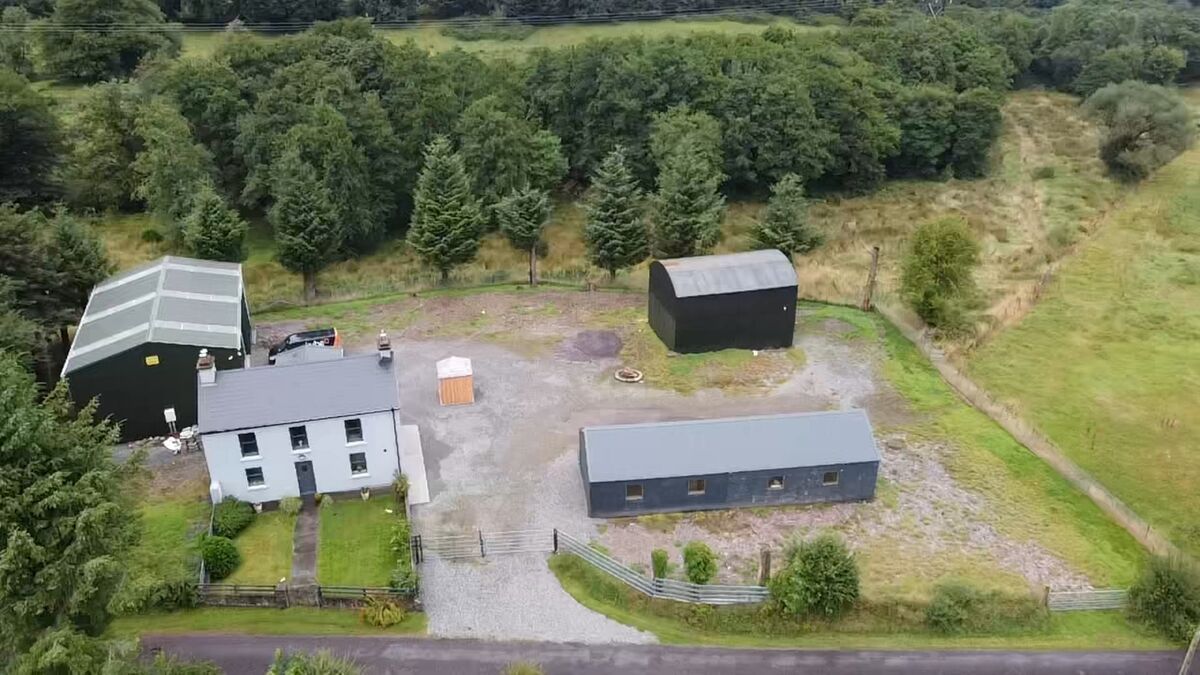
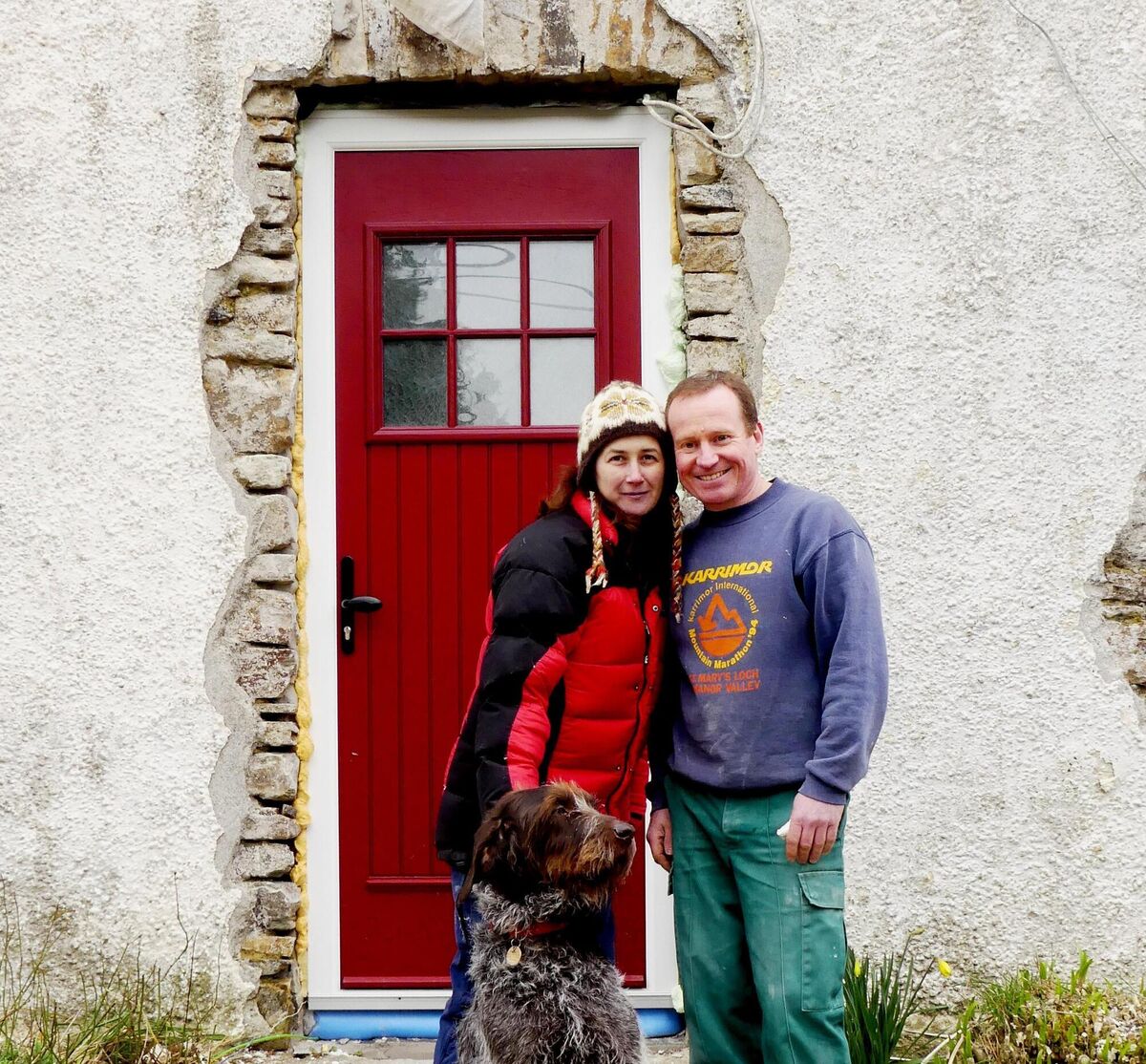
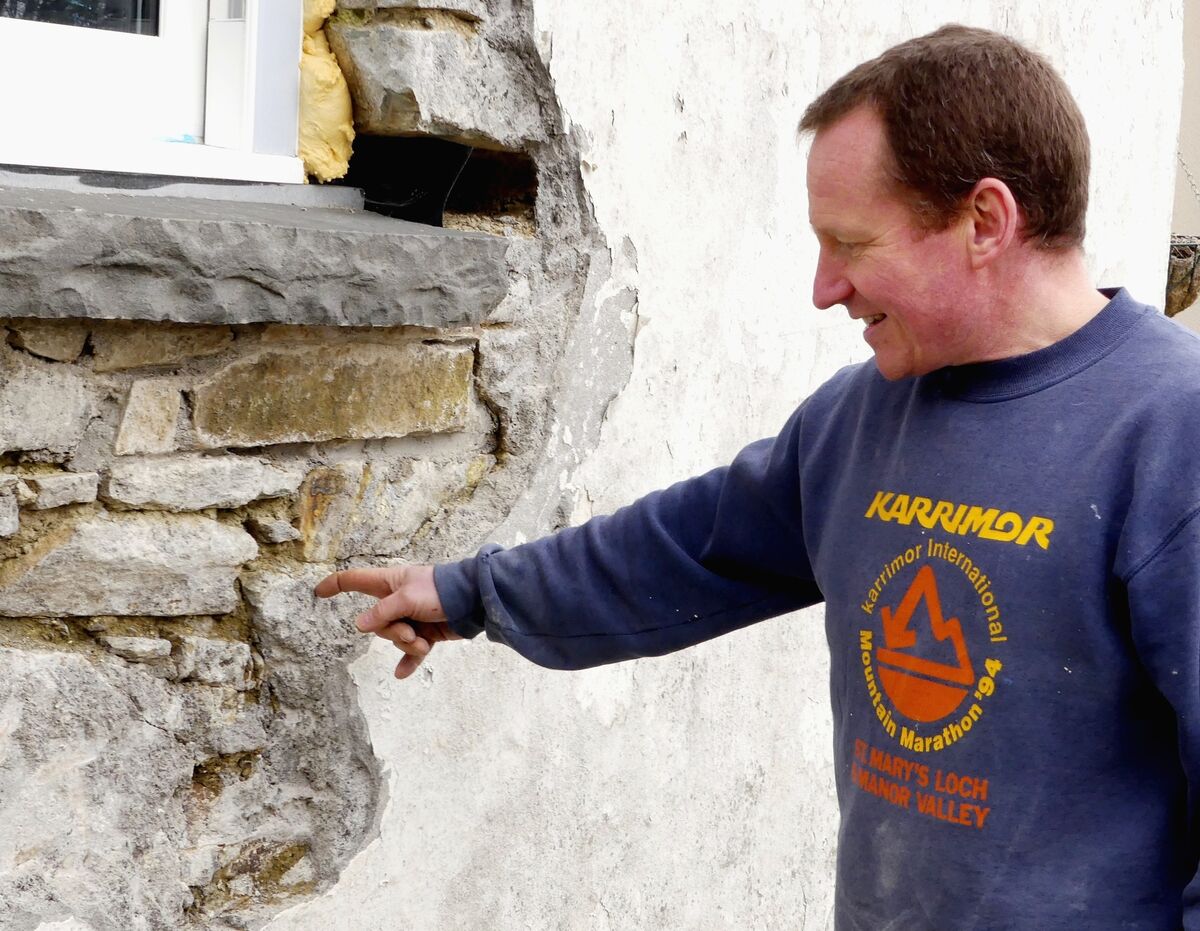
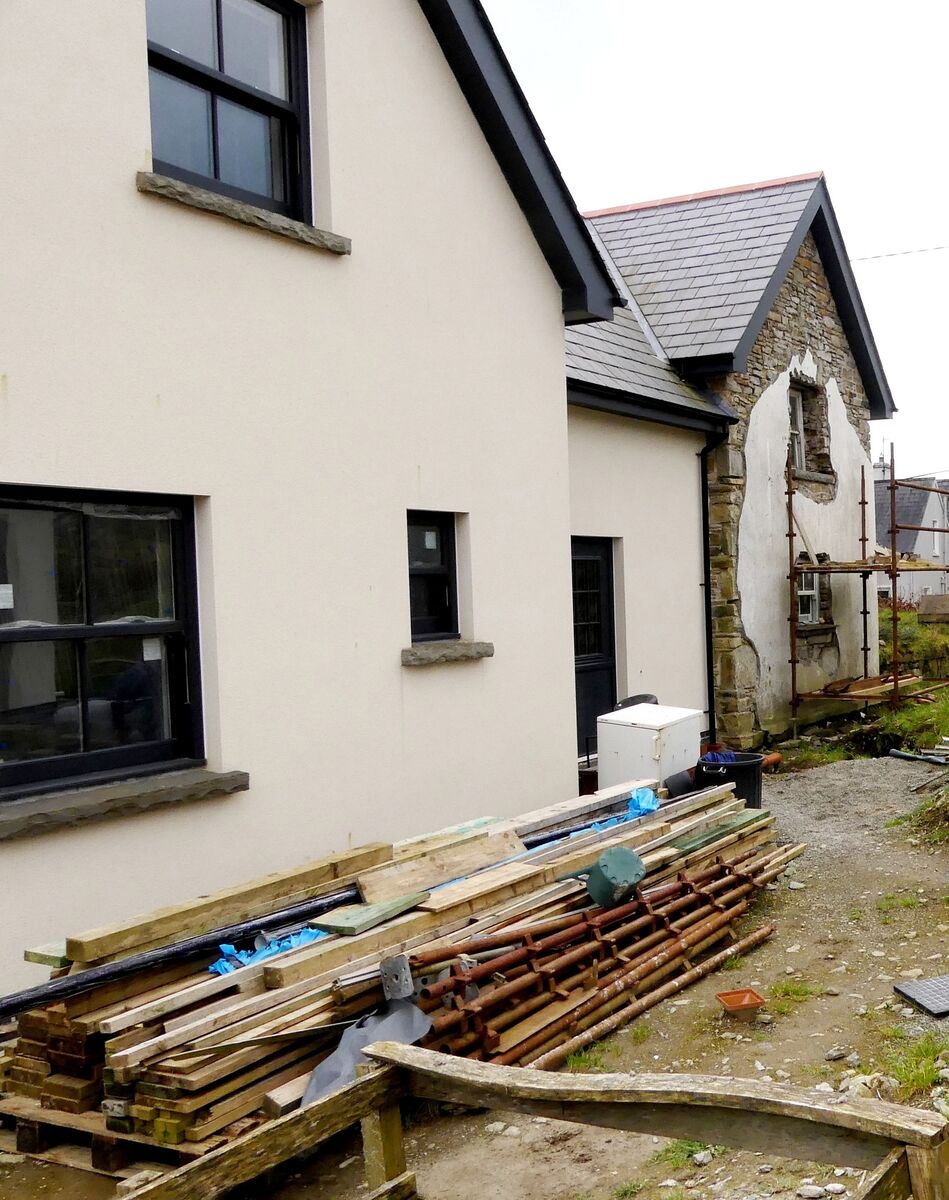
Mary Crease returned from Wales with her Welsh husband, Jon, eight years ago. Working without an SEAI or other Government-aided grants, they had a very clear idea of what they wanted to do with the then tiny jaded turn-of-the-century cottage in Pedlars Cross near Clonakilty. The couple were hands-on from the start, sleeping on the garage floor and lightly spattered in lime for over two years. The result today is an extended, high-efficiency, dry period home — the best of all worlds. There’s a primary geothermal heat-pump system, a Kensa heat-store and a traditional stove to fill the thermal gap.
I first visited the couple four years ago as they were deep at work, meticulously removing the shroud of cement render that had in the past mad
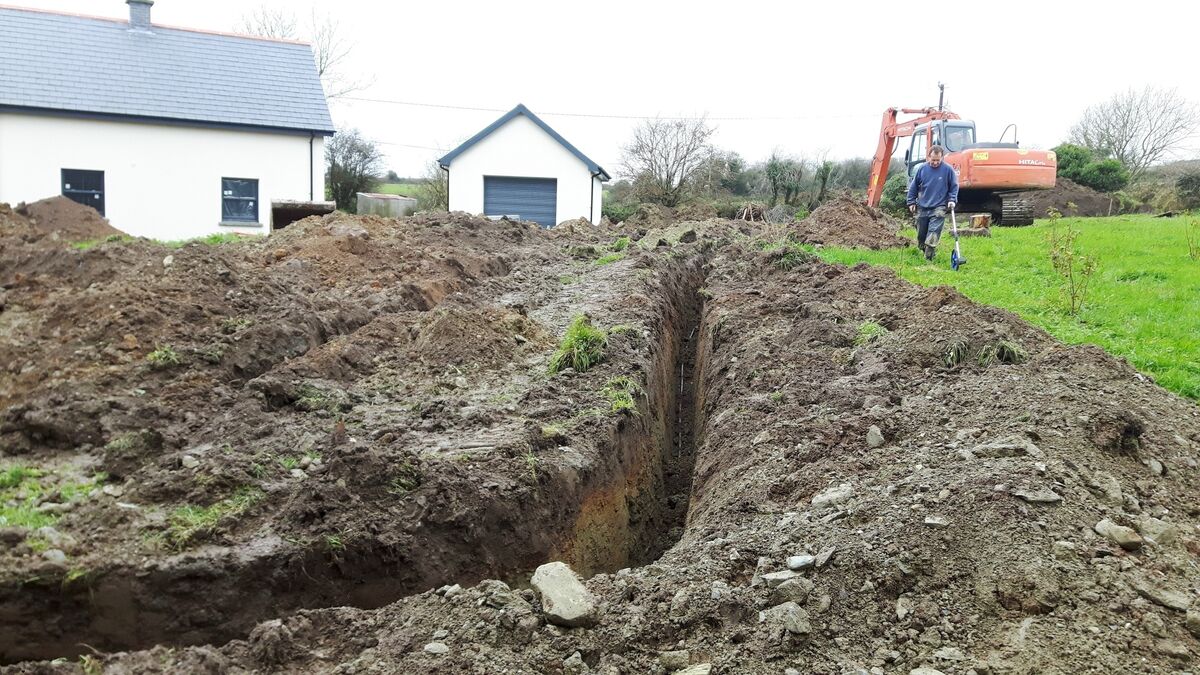
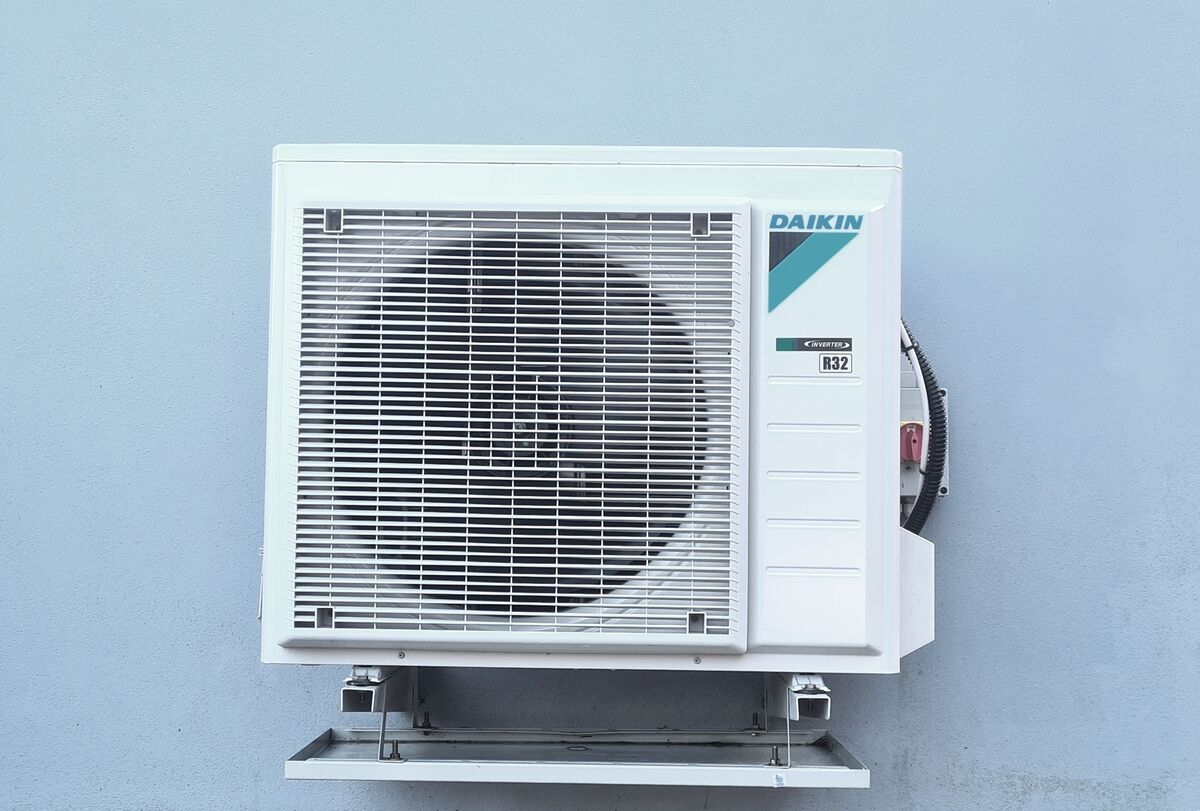
“Our primary heating is a Kensa ground source heat pump” Mary continues, “Coupled to 3 x 200m horizontal ground loops. We employed a contractor who expertly dug 600 metres of 1.2m deep trench, and we uncoiled the HDPE pipes and laid them in a bed of sand. I have to say this was the most back-breaking job of our whole project. Indoors we laid the underfloor heating pipes on top of floor insulation and employed a company to pump 70mm liquid screed over the top, this results in a quick responsive system. We have a 1.8 kW heat pump with a total output of 6kW. We have a return water temperature of 26 degrees. We have underfloor heating upstairs in the cottage and whole house MVHR.”


CONNECT WITH US TODAY



Be the first to know the latest news and updates