Jennifer Sheahan: From a hole in the ground to 'Home of the Year'

Irish Examiner's new columnist Jennifer Sheahan has advice on how to get comfortable in a fixer-upper until renovation starts
Jennifer Sheahan: From a hole in the ground to 'Home of the Year'

Jennifer Sheahan and Perry. Picture: Moya Nolan

If you have recently bought a fixer-upper, congratulations!

Purchasing a home is a huge achievement and a fixer-upper gives you a wonderful opportunity to put your own stamp on it.

However, for the majority at least, the budget realities of rent, mortgage, and savings dictate that you’ll likely end up living in your prized pile of rubble for a few months while you wait for planning and construction.

Don’t panic! I’ve been there, and I’m here to give you my hard-earned tips for living in a fixer-upper. You will get through it, and it will all be worth it! I got the keys to my beautiful, damp, poorly insulated cottage in March 2019. It was four degrees outside and dropping steadily.

My elation at finally becoming a homeowner was slowly being replaced with a mild panic as my breath became more visible.

Jennifer outside her late 1800s artisan cottage in Dublin which won RTE Home of the Year 2021. Picture: Joe McCallion

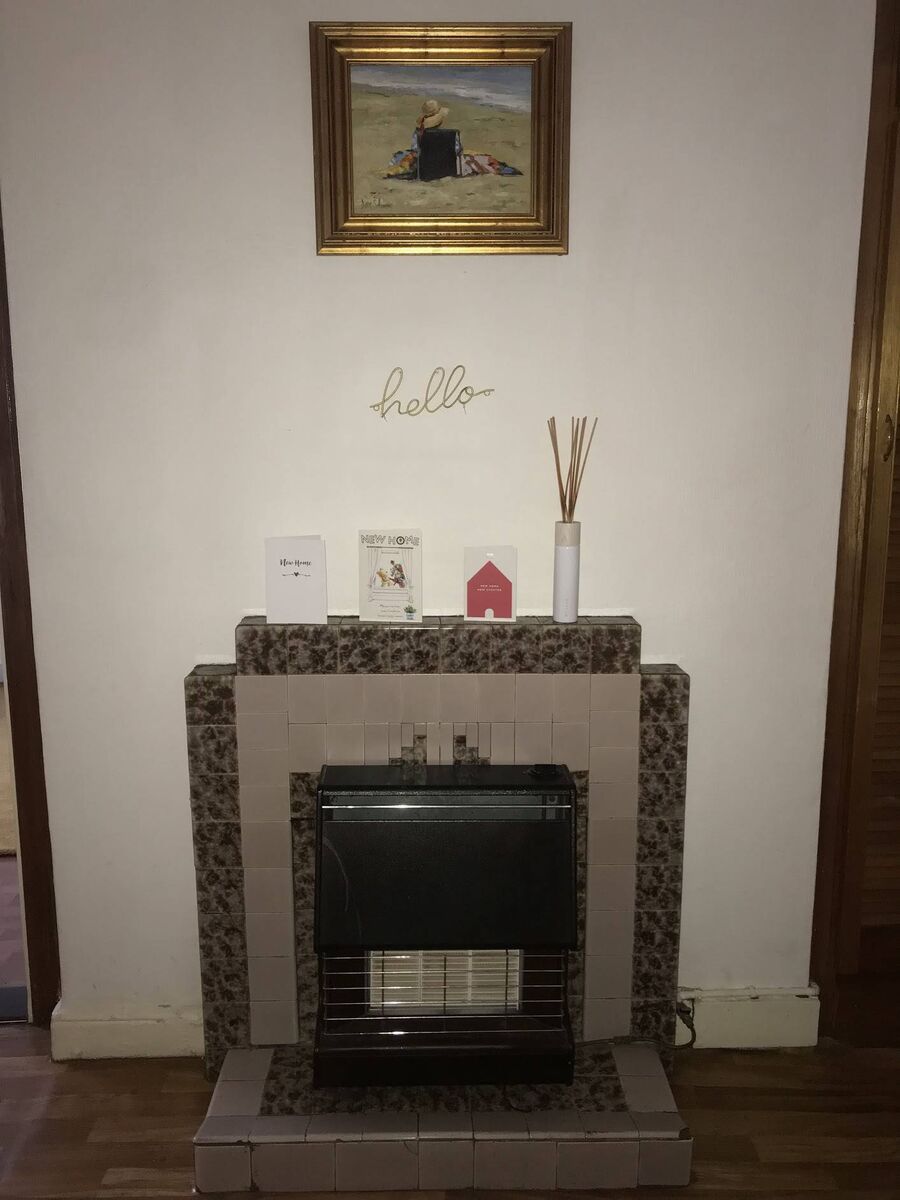
There was no heating this place up — the windows were single glazed, there was a huge open chimney in the middle of the house, the walls were damp from a leak in said chimney, and the night chill was creeping in through cracks around the doors and windows.
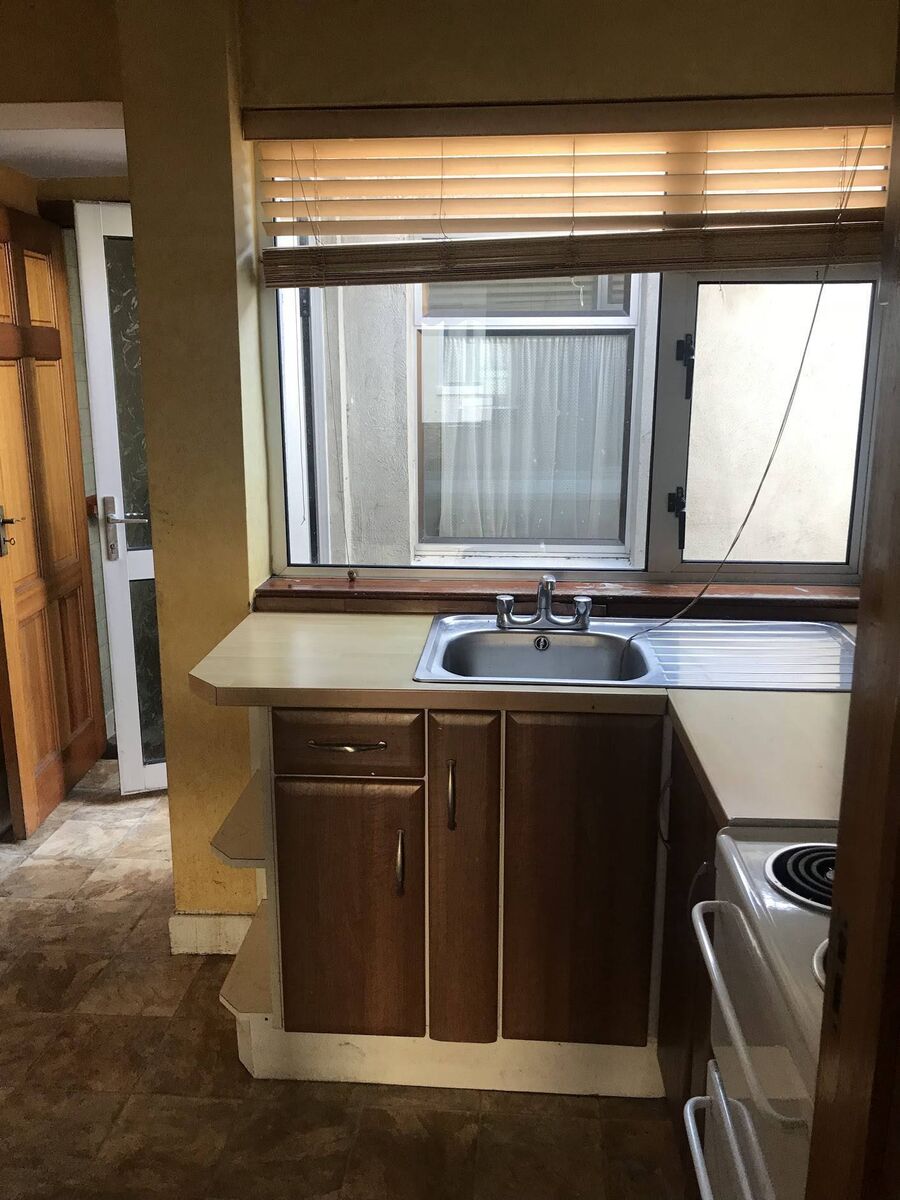
The central heating hadn’t worked in years, there was no hot water, and the kitchen boasted one semi-working appliance.

And I was armed with a blow-up bed and not enough blankets. I was looking at approximately nine months of living here before construction started, and I needed to make the place habitable without dipping into my savings. Here’s what worked for me...

DON’T FREEZE

There are excellent low-cost temporary solutions available to make your home warm and habitable.

Film window insulation

An easy solution to single-glazed windows is film window insulation.

This is a layer of film that you apply directly to your windows and seal into place using a hairdryer. There are many brands available — I used Exitex and was happy with it — and it is available in most hardware shops or online.

Seal the cracks

Self-adhesive draught excluders are also available in most hardware shops and are excellent at keeping the heat in. These should be applied around all doors and windows where you can feel a chill coming in.

Use fabrics

I pulled together an eclectic collection of old rugs from second-hand shops and an aunt who was clearing out an old house. Rugs and curtains are quick and effective ways to prevent heat escaping through poorly insulated floors and windows, and serve to make your temporary living situation much cosier.

Keep heating costs low

To keep the house dry and warm, I bought a free-standing oil-filled radiator from my local hardware shop. These are relatively inexpensive and energy efficient. I set mine up on a timer plug to maximise efficiency and keep costs down. I also borrowed a de-humidifier which I ran regularly in damp areas — this saves hugely on heating costs.

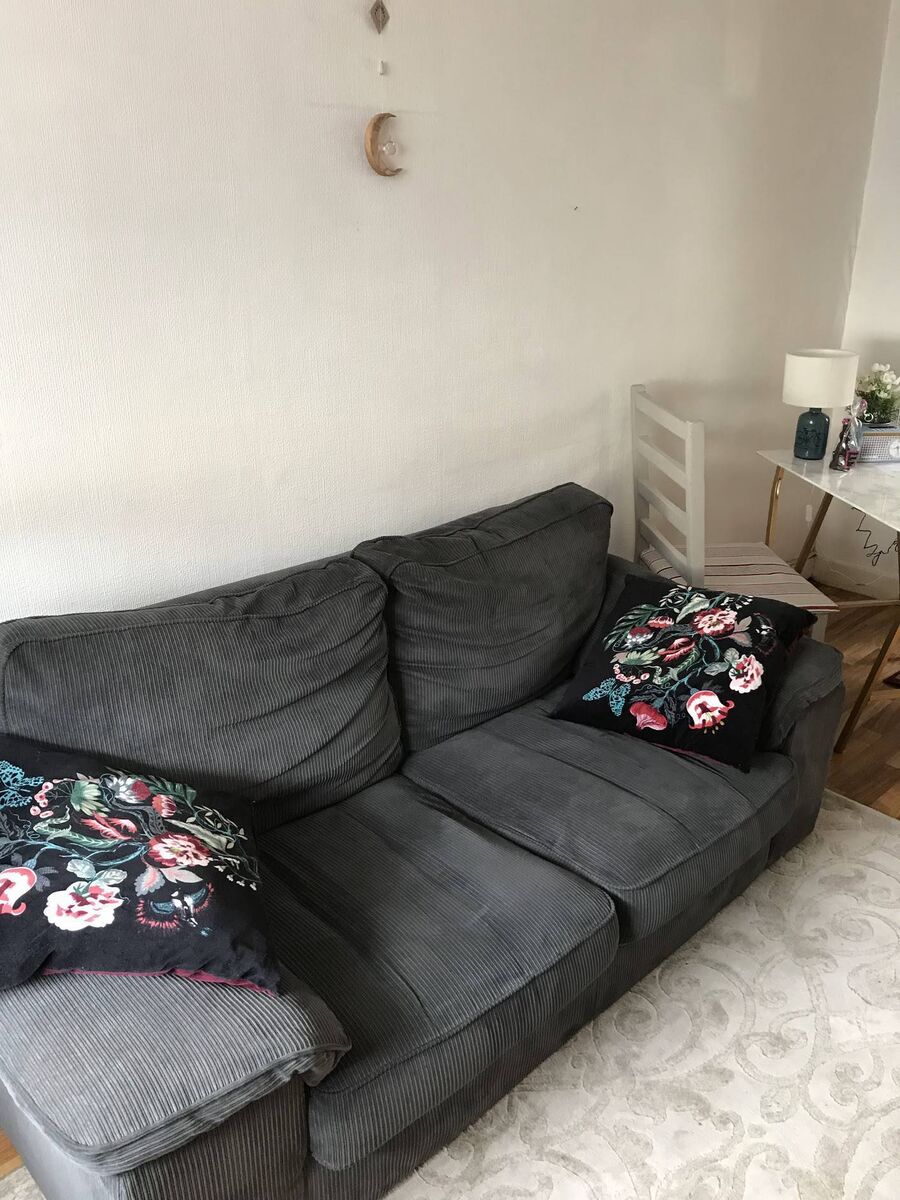
Jennifer sourced a sofa from the NCBI for €50. 

GET COMFY

Second-hand furniture is readily available on Adverts, DoneDeal, or in charity shops such as NCBI or Age Action. You will often come across items being given away for free if you can collect. I found a gorgeous green corduroy couch in the NCBI for €50 which served me very well for nine months.

This is also an opportunity to buy items you might keep post-renovation, such as a sofa bed.

DON’T STARVE

Maybe you’ll inherit a fully functioning kitchen in your fixer-upper, in which case you’re in luck! I, on the other hand, inherited a broken fridge, an oven which had precisely one working hob, and — well, that was it.

You can gather enough appliances for a functioning kitchen relatively inexpensively — at a minimum, I recommend getting yourself a mini-fridge and a plug-in hot plate. Again look to Adverts or Done Deal, and consider donating or selling your items when you’re finished with them.

This is again an opportunity to purchase some appliances that you might want to keep post-renovation. Depending on how much re-wiring and re-plumbing has to be done, you probably just want to buy plug-in items that do not require installation. Some good options here are a microwave, a slow cooker, and an air-fryer.

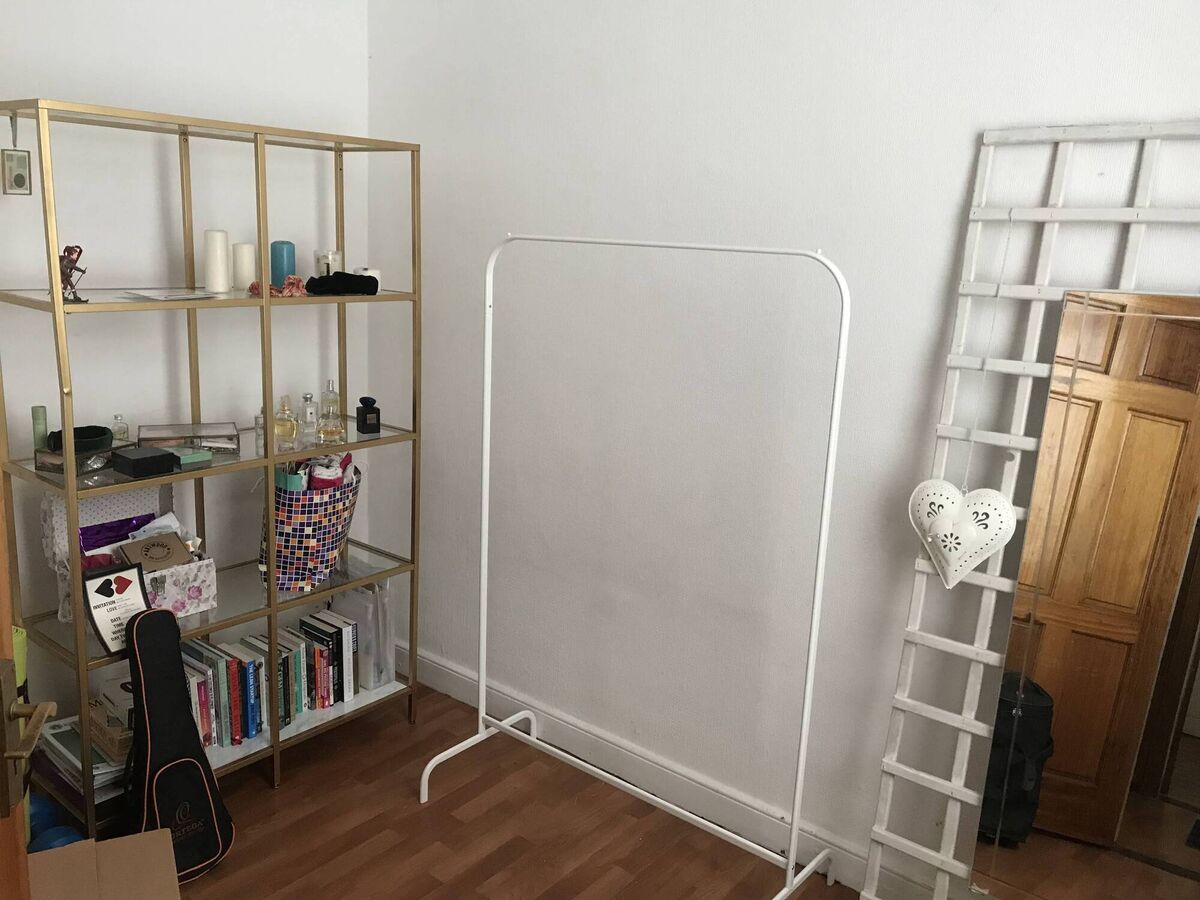
Jen's temporary wardrobe.

PLAN YOUR NEW SPACE

Living in your home pre-renovation is a great opportunity to get to know the space and start planning for how you will design and use it. You can put paint samples all over the walls, safe in the knowledge they’ll be repainted anyway, and assess how the lighting in your home works with your paint choices.

I recommend buying masking tape and marking out where you want to place large items (couch, dining table). This gives an accurate idea of how much space you have to work with, so you can be sure you’re buying the right-sized items and optimising the layout.

Jen Sheahan at her home in Rathmines. Picture: Moya Nolan

Now is a good time to assess light in your home. Which rooms get the best light, and at what times of the day? Do you like a bright kitchen in the mornings, or a bright living room in the evenings? What colours do you want to use in your brightest rooms, and how will you bring light into darker spaces?

Once you know where you want to place furniture and have a sense of how natural light works in your home, you can plan where to put plugs, switches, and lights. This will save time in the construction phase — your electrician and builder will love you for this!

More in this section

Revoiced

Newsletter

Sign up to the best reads of the week from irishexaminer.com selected just for you.

Cookie Policy Privacy Policy Brand Safety FAQ Help Contact Us Terms and Conditions

© Examiner Echo Group Limited