Donal Hickey: How we can get cold hard cash to recycle
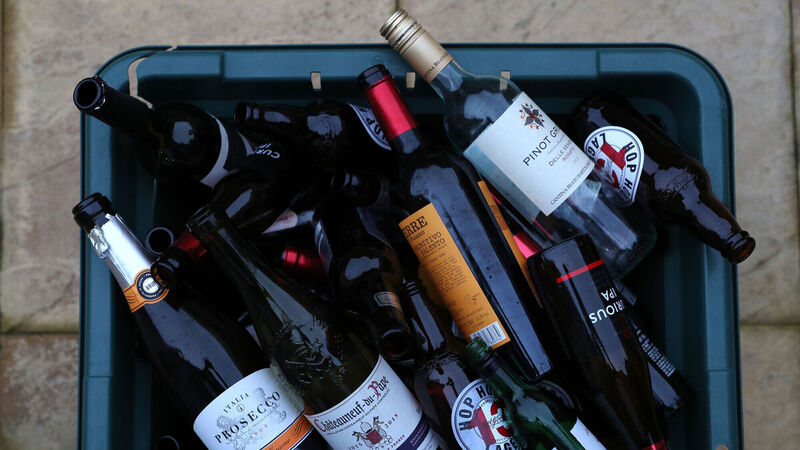
A deposit return scheme is being drawn up by our Department of the Environment and is due to be in operation next year
Donal Hickey: How we can get cold hard cash to recycle

Consumers pay a small deposit at the point of purchase and receive it back if they return their bottles, or cans, to the shop.

AT THIS stage, it appears every town and village in Ireland has a corps of voluntary litter pickers. So, on a recent visit to Copenhagen, it shouldn’t have come as a surprise to see similar activity. The pickers in the Danish capital, however, had a sharper, business-like look about them. Some were even peering into street-side litter bins, removing certain materials and popping them into their bags.

Puzzled at this strange behaviour, I made enquiries and was told about a deposit return scheme for glass bottles, plastic bottles, and aluminium cans. The people I saw were taking part in this recycling initiative.

Consumers pay a small deposit at the point of purchase and receive it back if they return their bottles, or cans, to the shop. Not everyone bothers making returns, but plenty other people go around collecting the bottles and cans and claiming the deposit. It works well by all accounts.

Donal Hickey: 'If glass, or aluminium, has no monetary value, the danger is that it will be thrown away and become litter.'

They don’t have to go to the shop where the items were purchased as many supermarkets have facilities for taking in the recycled items. The deposit is returned immediately in the form of a voucher that can be redeemed for cash in the supermarket, or donated to charity.

A deposit return scheme is being drawn up by our Department of the Environment and is due to be in operation next year. Danish authorities have been consulted, but there’s been an initial reluctance to include glass bottles.

Lars Krejberg Petersen, chief executive of Dansk Retursystem, the company which runs Denmark’s scheme, believes strongly our scheme should include glass bottles. There’s a huge ‘’environmental uplift’’ with including glass, he remarked.

He also stressed it ought to be made as easy as possible for people to return bottles and cans.

Dansk Retursystem collects the containers from retailers and restaurants and they are sent back to drinks producers for re-use.

In Denmark, the scheme is very successful. Last year, more than 90% of cans and glass bottles were returned, amounting to 1.7bn items, with 64,000 tonnes of glass, aluminium, and plastic recycled.

The Danes and other Scandinavians have long been to the fore in the general environmental field and this is another example.

There’s also a practical element to this scheme. If glass, or aluminium, has no monetary value, the danger is that it will be thrown away and become litter. Once a price is put on it, however, people will collect it and draw down the cash. That’s the trick.

When groups of people gather in parks in Copenhagen for, say, picnics or parties, the pickers invariably come around to gather up any bottles, or cans, that are left there. The result is a noticeable absence of litter in public places.

More in this section

Revoiced

Newsletter

Sign up to the best reads of the week from irishexaminer.com selected just for you.

Cookie Policy Privacy Policy Brand Safety FAQ Help Contact Us Terms and Conditions

© Examiner Echo Group Limited