Richard Collins: Using the moon to measure earth's declining reflectivity
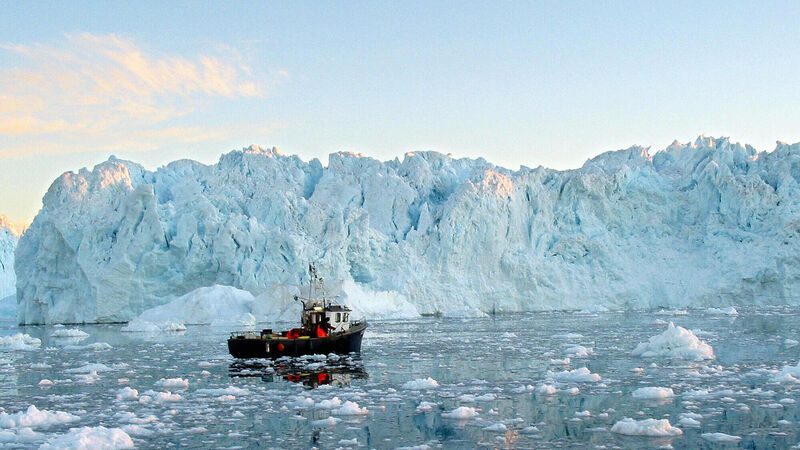
A fishing boat on Greenland's western coast. As the icecaps melt, the poles darken, absorbing even more sunlight. Picture: Slim Allagui AFP/Getty Images
Moonlight is helping scientists track climate change. About 30% of the sunlight reaching our planet is reflected back into space. The moon receives some of this ‘earth-shine’. Star-gazers will know that when most of the Moon’s surface is in shadow, light reflected from Earth can render its outline visible to the naked eye.
The reflection of sunlight back into space is known as the ‘albedo effect’. The Latin verb ‘albeo’ means ‘to be white’; the intensity of light depends on the brightness of the reflecting surface. The polar icecaps and snowy terrain have excellent reflectivity. So have white clouds.


CLIMATE & SUSTAINABILITY HUB
CONNECT WITH US TODAY



Be the first to know the latest news and updates