Insider secrets from the pros on lighting your home to perfection

We get advice from Natasha Rocca Devine of The Interiors NRD and lighting designer and maker Leo Scarff
Insider secrets from the pros on lighting your home to perfection

Natasha Rocca Devine, staging and styling specialist at The Interiors Nrd.

Winter is on its way when lighting a room can make the difference between achieving cosiness and sitting under light like a crime scene on CSI Miami.

Natasha Rocca Devine from interior staging and styling studio The Interiors NRD says: “I would always recommend to create various layers in lighting. Decide what and who the room is used for and go from there. 

"Start from the ceiling down. If it’s a space with a high ceiling you can opt for a statement piece chandelier or one or two pendants.”
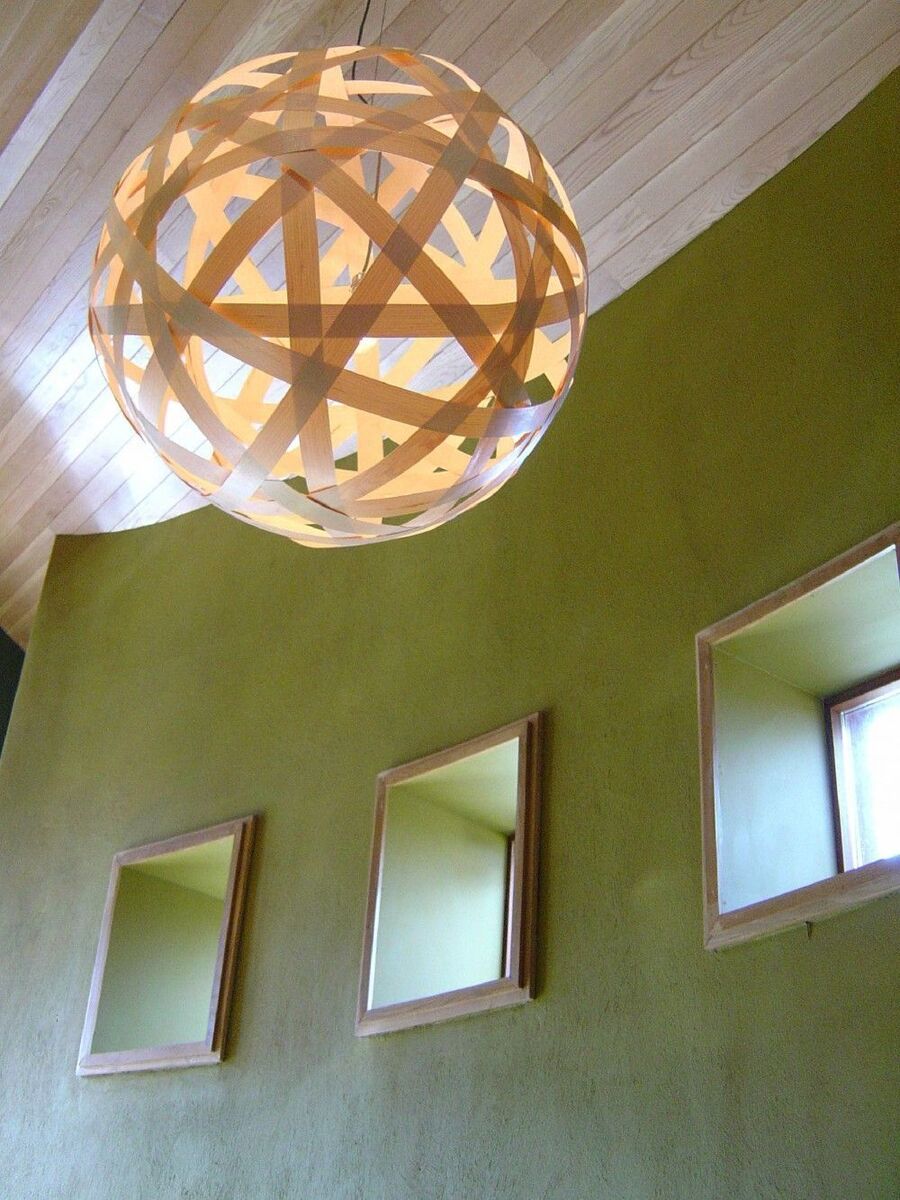
In spaces with lower ceilings, Natasha suggests recessed lighting.

“Or if you have a niche in the room or a library area,” she says, “add in a mini-pendant which can be used for a reading area. Moving to the walls, sconces or wall lights can be added accordingly.

“If you have a built-in television or shelving unit, you can add lighting in these as part of the design.

“Add in table or floor lamps with up to four heads. Both are a wonderful way to add in lighting to certain zones, and opting for stylish lamps and shades are a great way to bring a design theme together.”

But in the dining area Natasha advises restraint.

“Lighting over dining areas is both fundamental and stylish and should be created as a feature piece. Glass, sustainable or bespoke pendants, or non-linear, multi-pendant light fixtures, multi-tiered pendants, and modern chandeliers can be used.
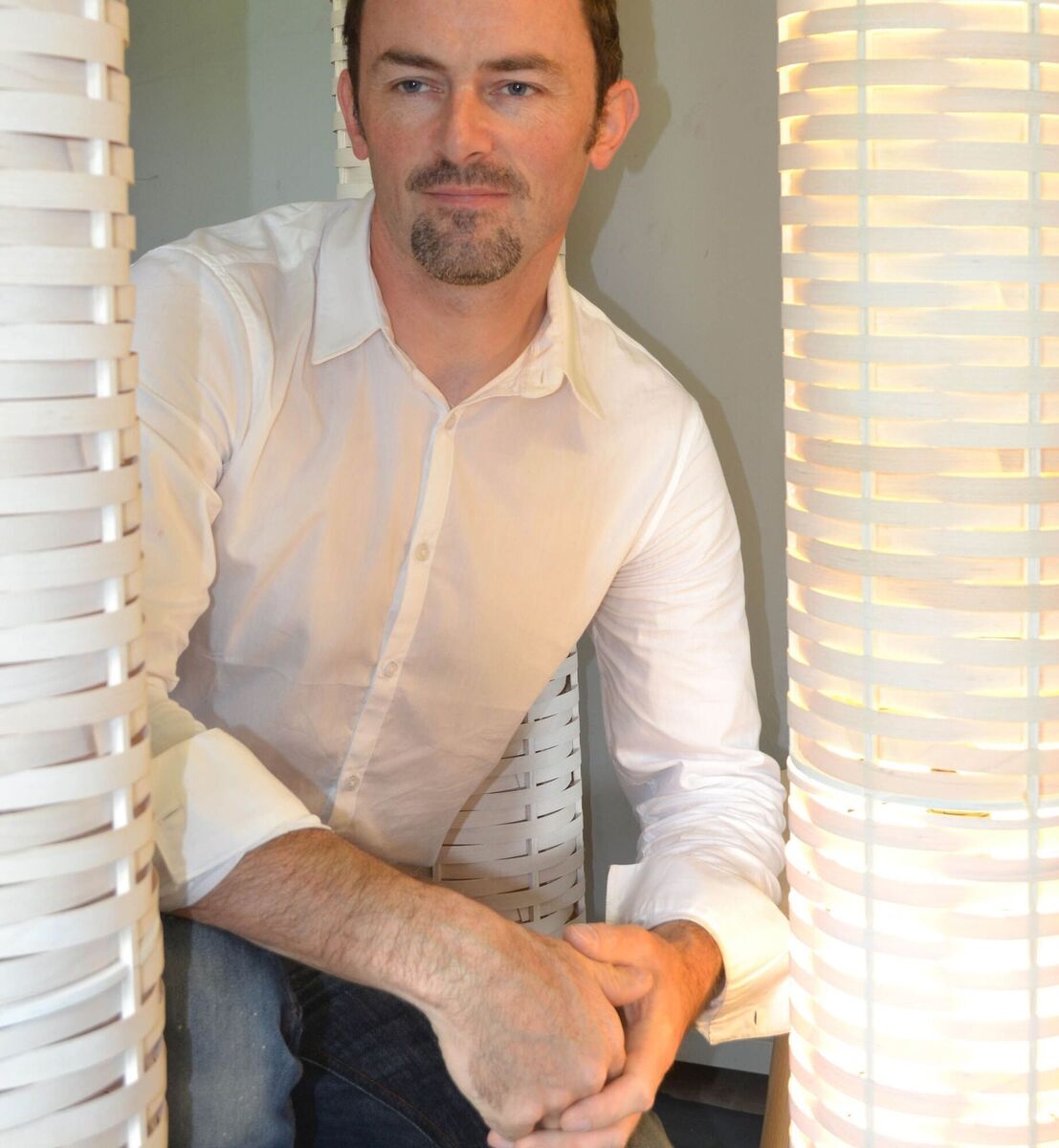
 Leo Scarff, lighting and furniture designer at Leo Scarff Design.
Leo Scarff, lighting and furniture designer at Leo Scarff Design.

“Over round tables modern chandeliers and rounded pendants are best suited so they are not overbearing or off-balance with the sizing.”

Irish lighting designer and maker Leo Scarff custom-makes lighting for clients here and across the globe at his Dublin studio.

He tells me people commission bespoke mainly because they like a particular designer’s work or maybe want a particular material, function or light source and can’t find anything suitable.

“I always say to my clients that by commissioning something they get to choose exactly what they want,” he says. “Not a rough match but exactly, so that gets the creative process kick-started and we explore all the options available to them.”

For anyone who likes the idea of bespoke but have concerns about costs, Leo adds: “We might start with a particular material or process like slumped glass or laser-cut brass sheeting and see where that leads us. Keeping within their budget is an important part of the designer’s job.”

But before contacting a maker, Leo suggests doing your homework.

“If you have already got an interior design scheme planned or installed, having a copy of the mood board or sample board is a really easy way to demonstrate what you’re trying to achieve with a particular fitting.

“If it’s just one particular room you want to focus on, some photos of the space along with a general specification on size, dimensions, preferred materials and type of light source would be a great start. Many clients these days like to use magazines or apps like Pinterest to collect images of what they like. 

"For something truly original the ultimate way to commission is to be a little more vague and let the designer do what they are good at and propose some ideas around a basic brief.”

Something most of us might not consider is, generally, interior lighting is warmer to show us at our best and give a warm ambience, while specific areas — home office or certain kitchen areas — should have the option of cooler lighting for better colour rendering. Something Leo considers in his designs, along with dimming options.
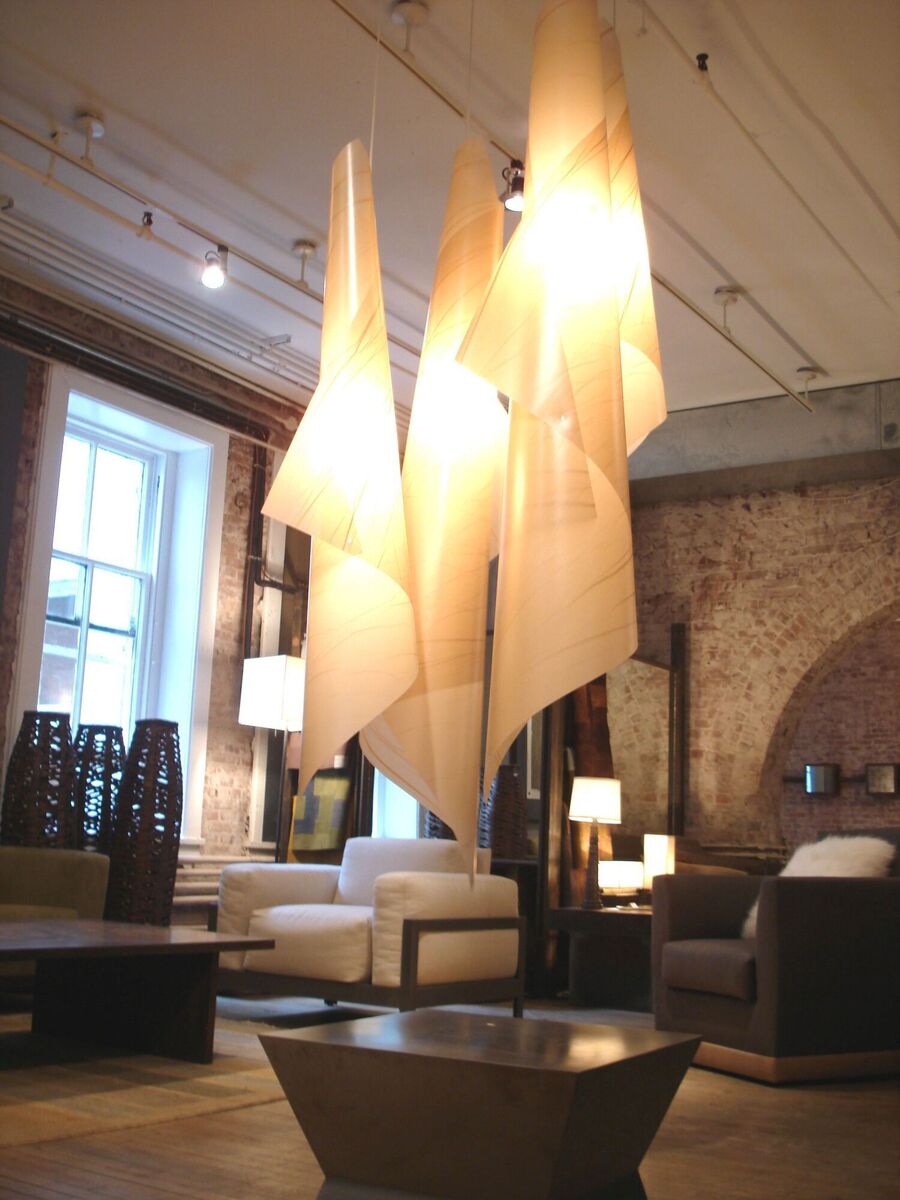
“This needs to be planned in advance to have dimmable controls and bulbs installed,” he says.

“There are colour temperature and dimming control systems available for retrofit. However, they can push the budget up depending on the extent of integration in your home.

“A good lighting scheme really makes any space,” he adds. 
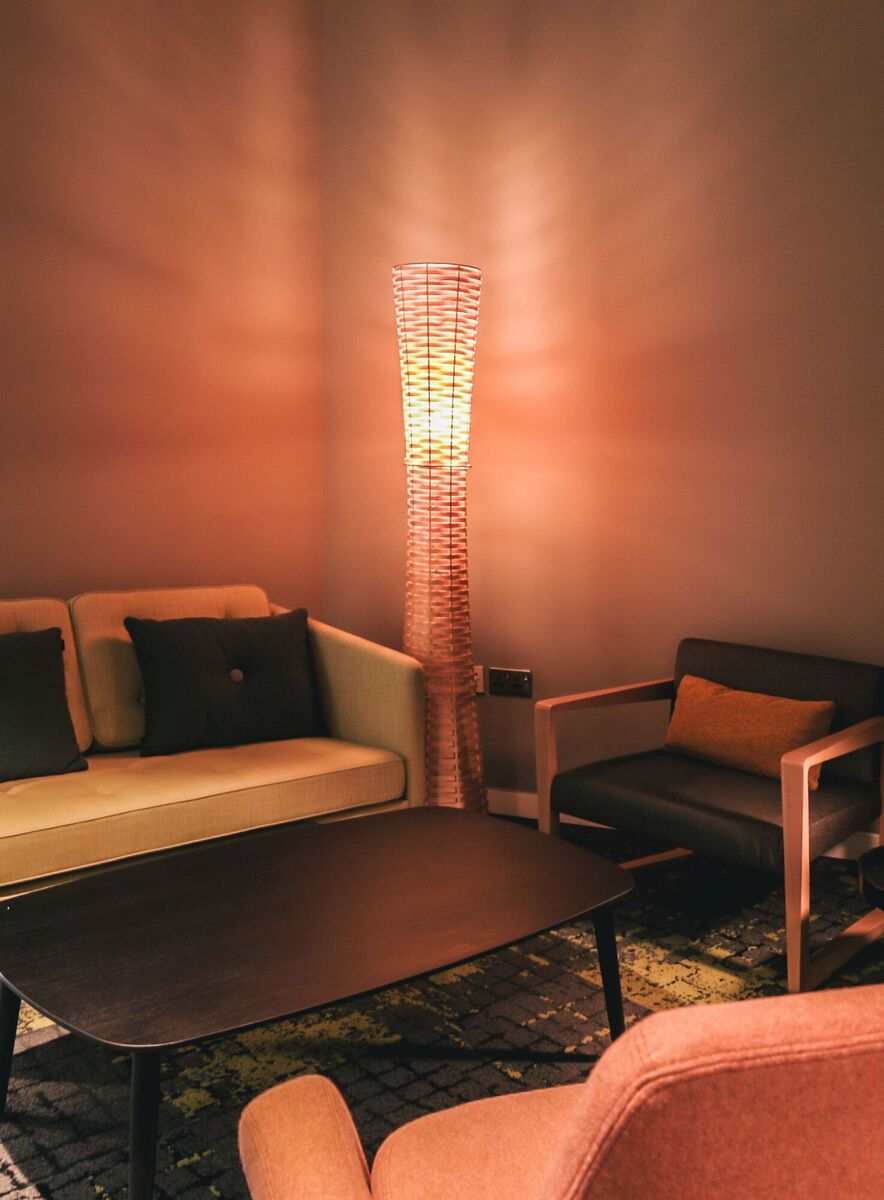
“The secret, in my view, is to have multiple types of light sources distributed around each room so users can alter the mood in many ways. Don’t forget the old favourites like wall lights or floor standing uplighters which always transform a space. 

"Pick specific positions for feature lights where they will make the best impact and most importantly create a lighting plan and legend with all the types of fittings shown on it so you don’t forget anything.”

More in this section

Revoiced

Newsletter

Sign up to the best reads of the week from irishexaminer.com selected just for you.

Cookie Policy Privacy Policy Brand Safety FAQ Help Contact Us Terms and Conditions

© Examiner Echo Group Limited