Peter Dowdall: Teacher opens a new chapter on the outdoors
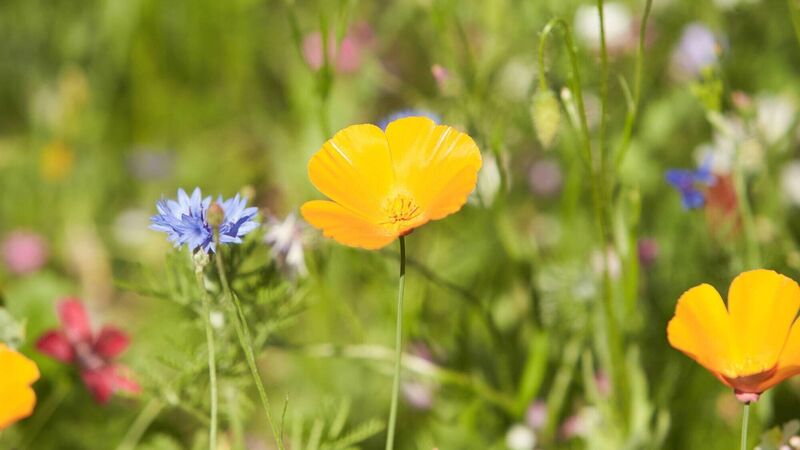
Covid has perhaps deepened our appreciation of our connection with nature in many ways, according to Peter Dowdall. Picture: iStock
There is an innate connection between the “great outdoors” (I use the word “great” very deliberately) and our own selves. Both our mental and physical well-being relies on the green environment.
Over the last two years, we have all lived in an utterly unreal manner. Covid has perhaps deepened our appreciation of that connection in several ways.
Periods of lockdown have highlighted the importance of access to nearby green spaces. I can’t help thinking that Covid may be Nature’s way of telling us to cop on before it's too late, she is showing us her might, that she can in fact stop the entire world from functioning normally with just one pathogen, so small that we cannot even see it. What’s next?
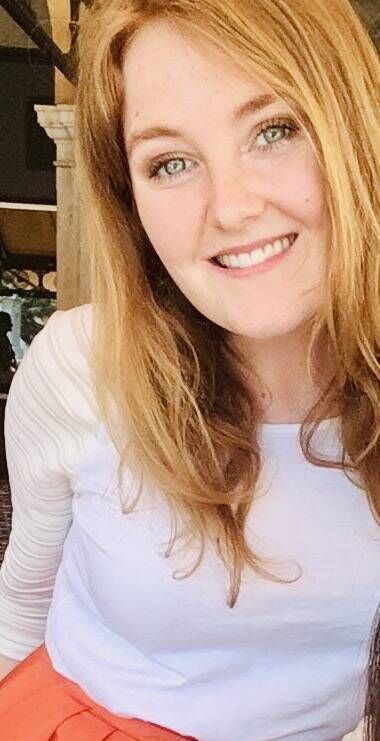
One person who used the initial lockdown period to create something very meaningful is Laois primary school teacher Rachel Scully.
Growing up in Monasterevin in Kildare, surrounded by countryside, Rachel developed an interest and appreciation for plants, the garden and the natural world.
She completed a master's degree in Linkoping University in Sweden on Outdoor Education and Sustainability. This along with her primary school teacher training and her understanding of the natural world gave her the ability to join some dots and put them together concisely and into a beautiful and unique book.
The themes of self-esteem, friendship and sustainability are prominent in Rachel’s debut book The Wildflower Child. All three of these themes play a massive role in a child’s development.
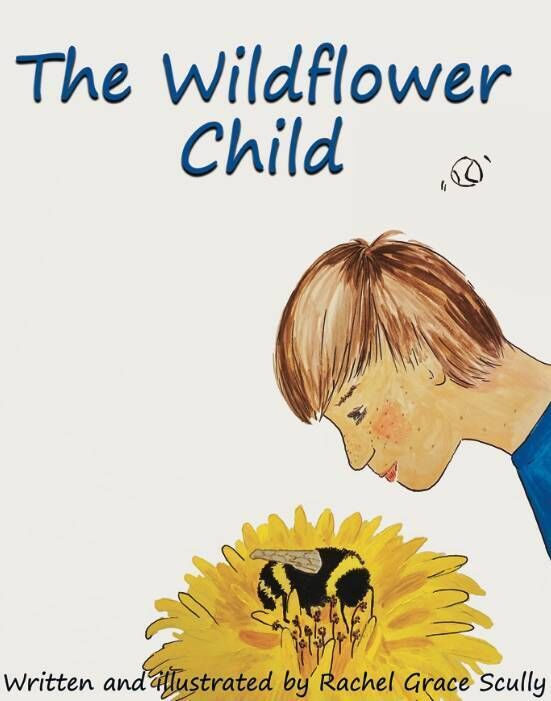
Feargal is a fictional character who spends all his spare time tending his wildflower garden. He isolates himself from his peers and creates the narrative that he is somewhat excluded from his peer group and their game of hurling. He looks out at his peers playing together and longs to join them.
It is evident that Feargal lacks confidence and self-esteem and at one point in the book refers to the wildflowers and insects as his only friends. Feargal’s self-esteem is low and his limiting self-beliefs prevent him from engaging with other children and forming friendships.
“I think this story would start a very good conversation with children about how our minds can trick us into believing certain things about ourselves and how others see us,” says Rachel.
Books with the subject of sustainability and environmental issues can push us into uncomfortable places and make us judge the actions and attitudes of ourselves and others.
Rachel continues: “I want this story to inspire children to look at wildflowers differently.
"To appreciate their vibrant colours and their vital role in biodiversity and food for insects. I am not expecting people to allow their lawns to become completely wild and out of control, but perhaps it would inspire them to leave a wild space in their garden as a home to these wonderful native species. I want people to look at nature differently and change their perspective on what a beautiful and aesthetically pleasing garden should look like.
"These native Irish wildflowers provide vitally important habitats for native pollinators. It is our native plants to which our native insects are best adapted.”
In the book which is aimed at children of a primary school age, both Feargal and his wildflowers suffer an unpleasant episode. However, what he didn’t realise at the time is that as a result, both he and the flowers needed this treatment to develop further.
It’s an amazing read and whilst Rachel may have expected it to be a hit, with younger readers, she has found that it “seems to be resonating more with the older primary school children”.
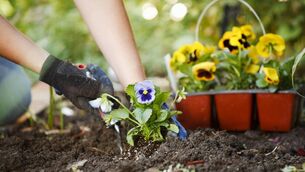
Our time to continue doing nothing has gone. Each of us needs to tend to our garden patches as if our lives and the lives of our children depend on them, for they do. Soon we will be in September and after March, this is the best month to sow some wildflower seeds to create our own patch of natures magic.
If you have an area of poor soil in your garden that is low in nutrient value, then this will be ideal for sowing seed. Alternatively, you could just let an area of your lawn go wild.
Stop mowing it and you will be amazed, after a few short years to see how many species emerge. If you are sowing seed then make sure that the seeds make contact with bare soil, don’t throw them on existing vegetation. They will need water for the first few weeks either from nature or ourselves.
Whether you decide to sow your own or let an area go wild, this is a long-term project. You can expect to see some colour from annuals in year 1 and some more in year two but really, it is from year three onwards that the area will become species-rich and sustainable.
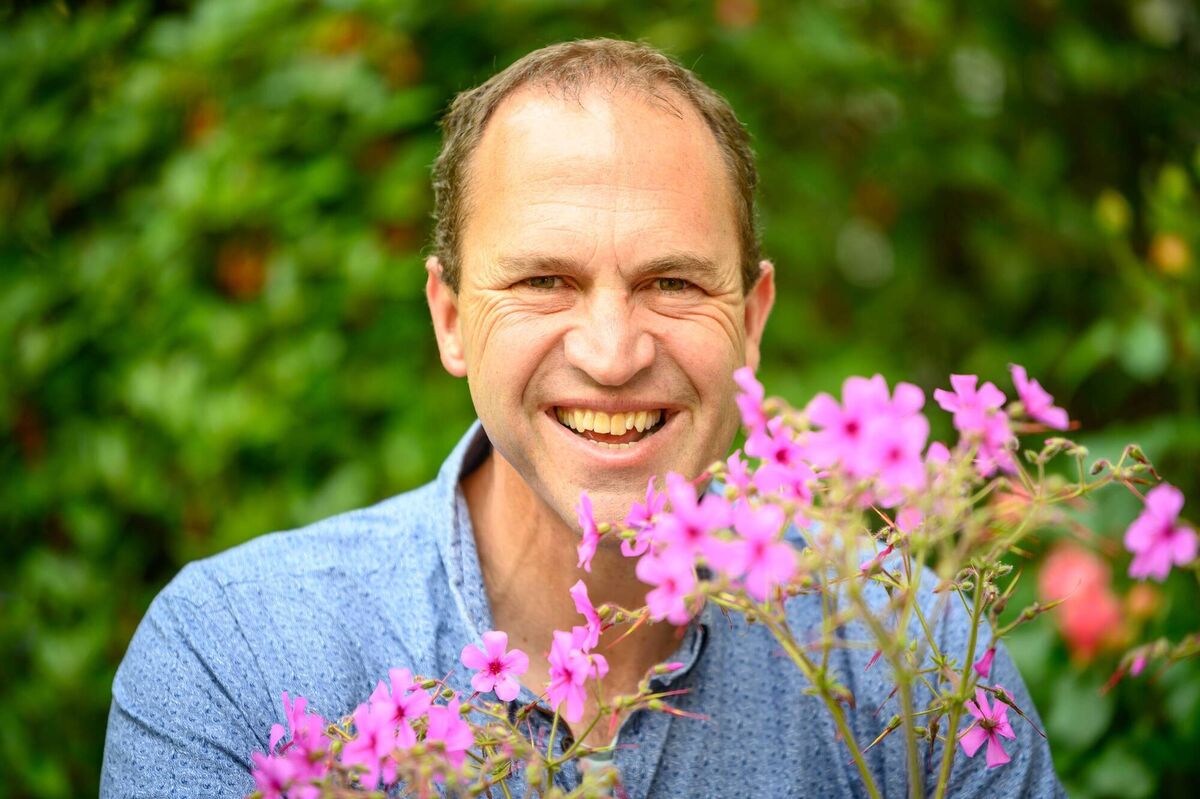
- Got a gardening question for Peter Dowdall? Email gardenquestions@examiner.ie


CONNECT WITH US TODAY



Be the first to know the latest news and updates