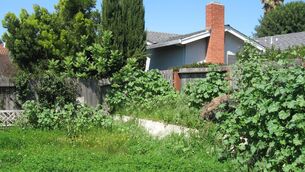
Peter Dowdall: Why coastal gardens offer a unique challenge that should be embraced
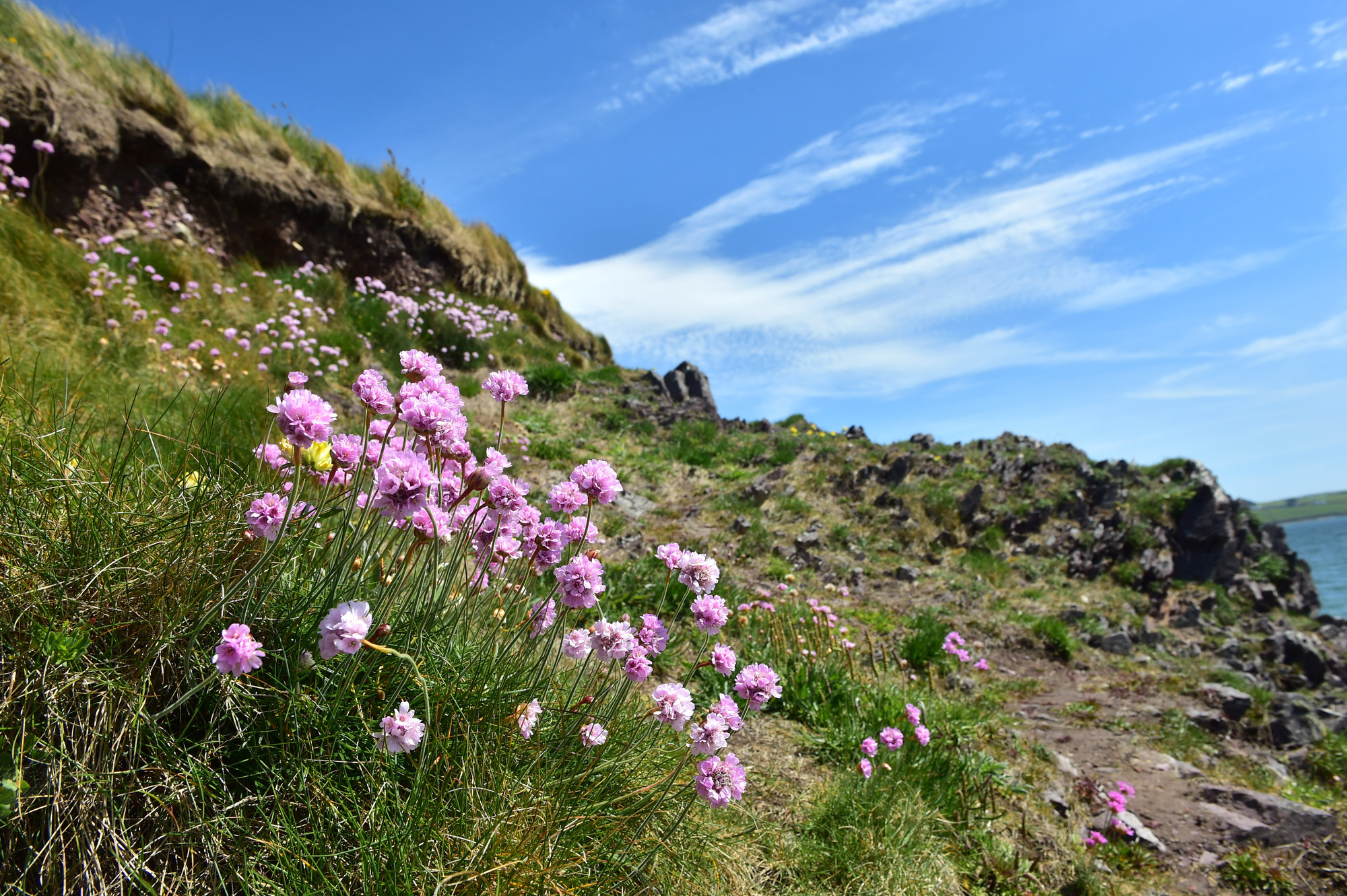
'The first thing to do when planting such a garden is to look around you. Take in what is growing naturally in the locality.' File Picture Dan Lienhan
When the weather improves, we all seem to head straight for the coast. Beaches are thronged and otherwise deserted roads are suddenly as busy as the M50. Those, lucky enough to live on or near the Irish coastline are indeed blessed at this time of the year as they don’t have far to travel though they do have the imposition of having to share their haven with masses of day-trippers all of a sudden.
The other challenge in such a landscape is horticultural. In many coastal gardens, the designer's paintbrush needs to be used very lightly, as the greater, natural landscape cannot be improved upon.
When designing a garden you need to first, take in the greater landscape and either embrace it, working your garden into it or alternatively, to obscure it and make your garden an oasis shielded from the world outside. In rural situations, it is nearly always wise to embrace it, even partially.
But what of the gardens that are not quite on the seafront but still suffer from high winds and salt-laden air, what to plant?
Working with the surrounding countryside is never more important than in such situations as, your plant choice is not being determined by what you would like to grow and what colours that you would like to use, but by what you can grow and what will tolerate the local, physical conditions.
Many owners of seaside gardens will watch jealously as friends choose delicate perennials based on flower tone or decide on a particular Japanese Maple based on leaf shape or colour. Such choices and possibilities are a distant wish for those tough souls who garden on the coast.
So, the first thing to do when planting such a garden is to look around you. Take in what is growing naturally in the locality and what is doing well in other peoples gardens and take your first inspiration from there. Don’t feel the need to try and replicate a suburban city garden down by the seaside.
A seaside garden should be a bit more carefree and about the summer months, even if you live there all year round. It really is a place to enjoy from spring to autumn.
When choosing plants for these conditions, I need to strongly preface this and abdicate all responsibility for failures by stating that, in my experience, every single coastal garden is unique and whilst I do advise to look for inspiration from what is growing nearby, do also bear in mind that what will grow in one garden will not necessarily grow in a garden 30 or 40 metres away. I can immediately think of one garden in a wonderful location, set on a hillside, dipping its toes into the Atlantic outside Cork harbour. There is a stunning group of ground cover Rosemary growing in one part of this garden, delightful in full bloom, alive with insect life and giving off a heady aroma but in another part of the same garden, it will not establish at all.
Plants with very narrow leaves or needles, such as Pinus, will tend to do well. These are modified leaves which have adapted oved time for such locations. As their surface area is small, they have less opportunity to lose moisture from extreme wind and transpiration. Same applies to leaves with a waxy cuticle or leaf covering. Again, this helps to reduce the amount of water lost through the leaves. If you look around and don’t see any trees growing nearby, then that will tell you a multitude. If the landscape cannot allow a tree to grow then it is, harsh indeed. Many of our islands will have little or no trees and this is because they cannot establish in the conditions. If this is the case, then better not to waste your money, time and effort by trying to beat nature and concentrate instead on what will survive.
Low growing, plants with modified or waxy leaves and those silver in colour will also tend to do well.
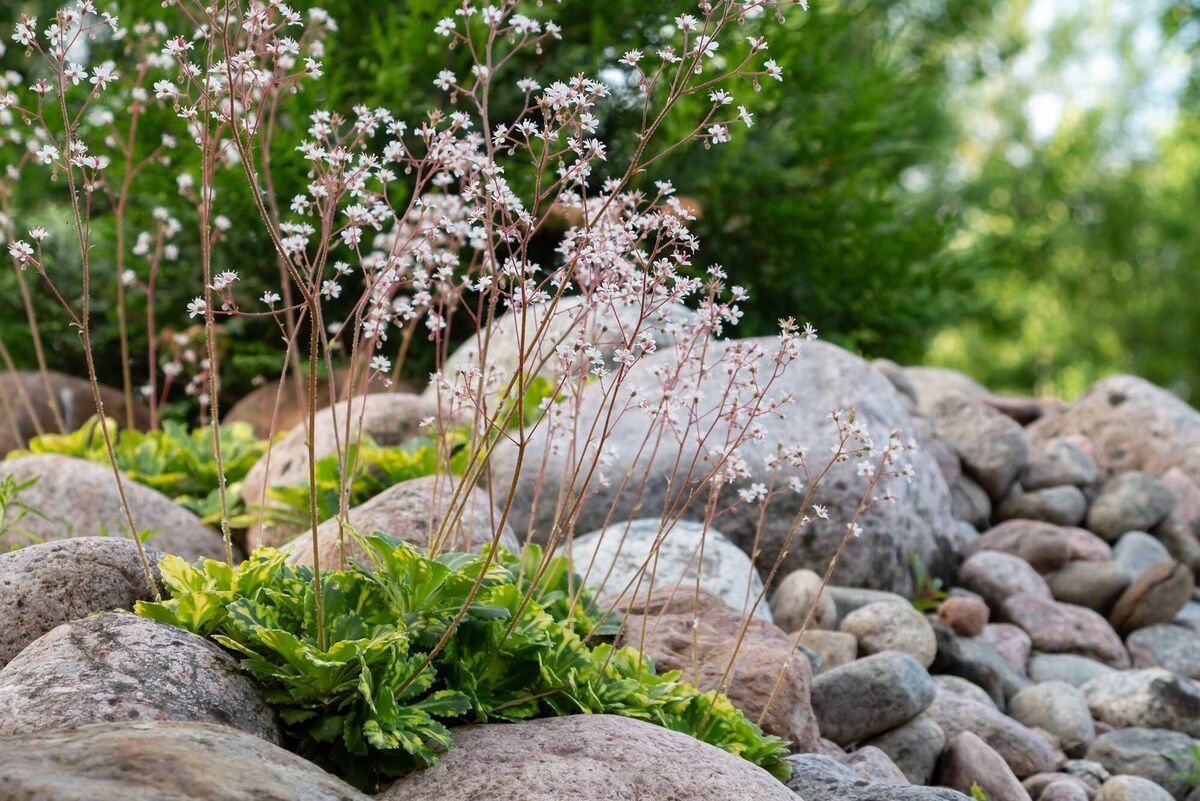
Many Alpine plants such as Saxifraga, Erinus, Armeria and Sedum will do well here too and create, beautiful, showy flowering carpets creeping down banks and over rocks.
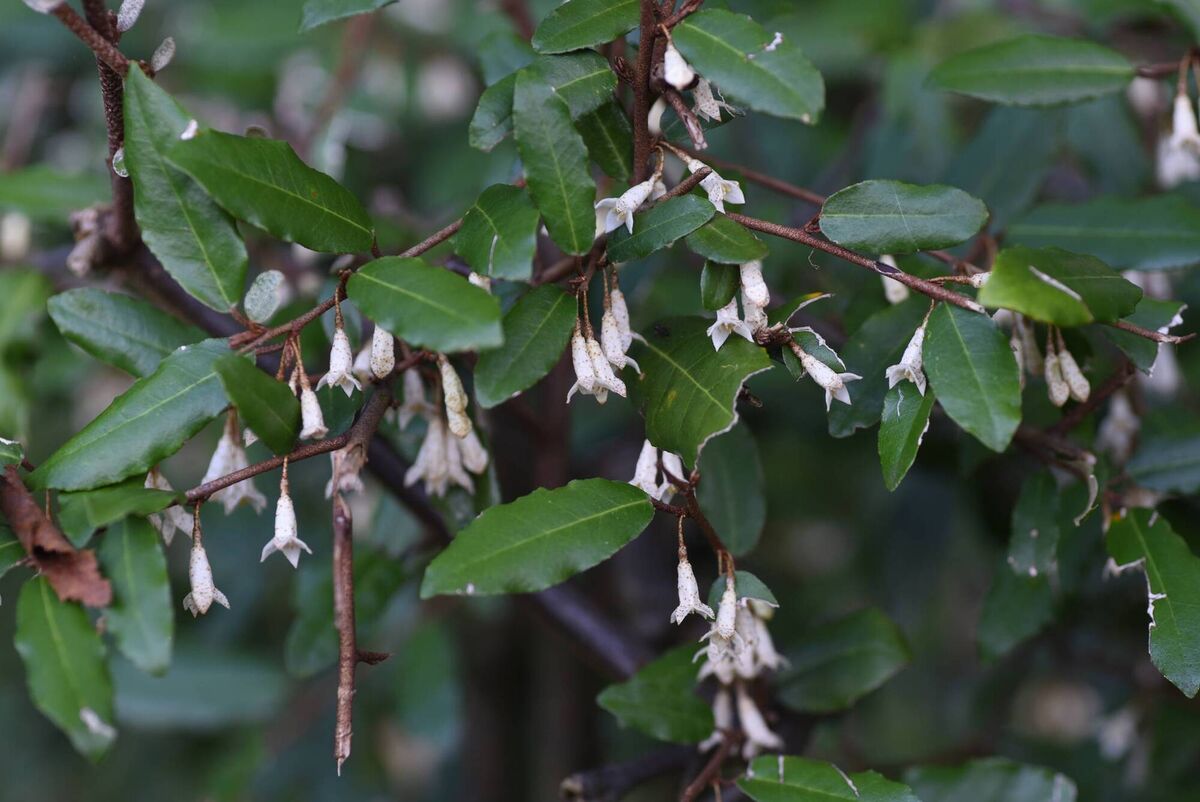
A great hedge for a coastal garden if you want to create a sheltered area or even to mark the boundary is Elaeagnus pungens or Elaeagnus ebbingeii. Not just useful but also a beautiful grey-green hedge which flowers in autumn, making it important for bees and other pollinators at that time of year.
Anything which gets planted will need your help to establish in year one. That really means, give them plenty of water for the first year or two to help them to settle in and then, once established, they should thrive.
CONNECT WITH US TODAY



Be the first to know the latest news and updates