Why a murder of crows make so much noise just before sunset
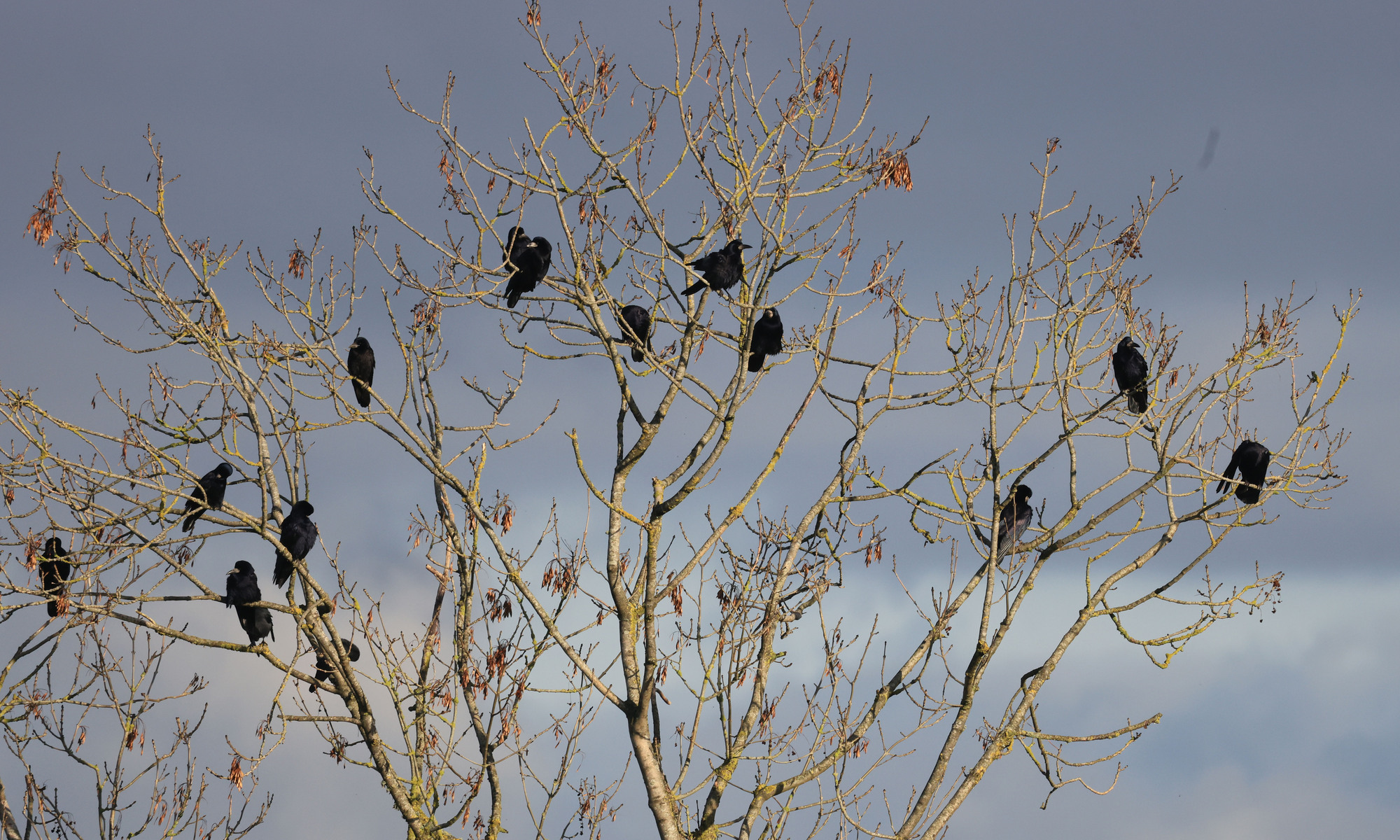
The black-feathered fellows create a deal of fuss and draw unavoidable attention to themselves when they meet in the evenings. Picture: Eamonn Farrell


Try from €1.50 / week
SUBSCRIBE
The black-feathered fellows create a deal of fuss and draw unavoidable attention to themselves when they meet in the evenings. Picture: Eamonn Farrell
A recent column on crows and their cheeky feeding habits brought informed reaction from several readers who have added to our knowledge of these fascinating and intelligent creatures.
The crow is one of Ireland’s most common birds but there are several crow (corvid) species, also including rooks, hooded crow, raven, jackdaw, chough, magpie and jay. The carrion crow visits occasionally, while rarer species like house crows arrive here on ships, with one spending some time in Cork a few years ago.
A group of crows is, bizarrely, called a murder and Tom Lynch, of Clare Birdwatch, says a parliament of crows is an assembly of these birds on tall trees.

Anyone who has ever visited Killarney, Co Kerry, will know of that town’s large crow population, especially in the precincts of the national park. The black-feathered fellows create a deal of fuss and draw unavoidable attention to themselves when they meet in the evenings.
Hundreds of them gather noisily on rooftops in the hour before sunset and, going by the caw-cacophony, appear to be having animated debates. And then, all of sudden at dusk, they just take off en masse wings flapping to spend the night on tall trees.
Crows know there’s strength in numbers and one of the reasons for so many congregating on treetops is for defensive purposes, just in case some predator comes along. They can be quite combative and have been known to chase much bigger birds, even eagles. And they continually fight among themselves.
One of the reasons traditionally cited for the dense presence of crows in Killarney is the horse dung from jaunting cars. At one time, the dung was deposited on the streets and on roads in the park.

The National Parks and Wildlife Service then maintained the rich pickings of undigested oats and other corn from the dung attracted the crows. However, the use of dung catchers, which are attached to the horse-drawn vehicles, in recent years, has meant little dung is now available to crows. And yet, the population seems as numerous as ever.
Crows will eat almost anything. Insects, eggs from other birds’ nests, roadkill and food discarded by people are all on the menu. By the way, we’re still hearing stories of crows of crows treating golfers as soft targets by taking food from their bags and from inside motorised golf carts.
Finally, the afore-mentioned Tom Lynch quotes the seanfhocal (proverb), “Is geal leis an bhfiach dubh a ghearrcach féin”. It means the raven thinks its own nestling fair.
“This seanfhocal is often used when one imagines a relative or associate to be more beautiful, or better, than they actually are,” he explains.

Try unlimited access from only €1.50 a week
Already a subscriber? Sign in
CONNECT WITH US TODAY
Be the first to know the latest news and updates

Newsletter
Sign up to the best reads of the week from irishexaminer.com selected just for you.
Newsletter
Sign up for our weekly update on residential property and planning news as well the latest trends in homes and gardens.
Newsletter
Keep up with stories of the day with our lunchtime news wrap and important breaking news alerts.
Wednesday, December 31, 2025 - 2:00 PM
Wednesday, December 31, 2025 - 11:00 AM
Wednesday, December 31, 2025 - 6:00 PM
© Examiner Echo Group Limited