Richard Collins: Why the sharks in Irish waters are in trouble
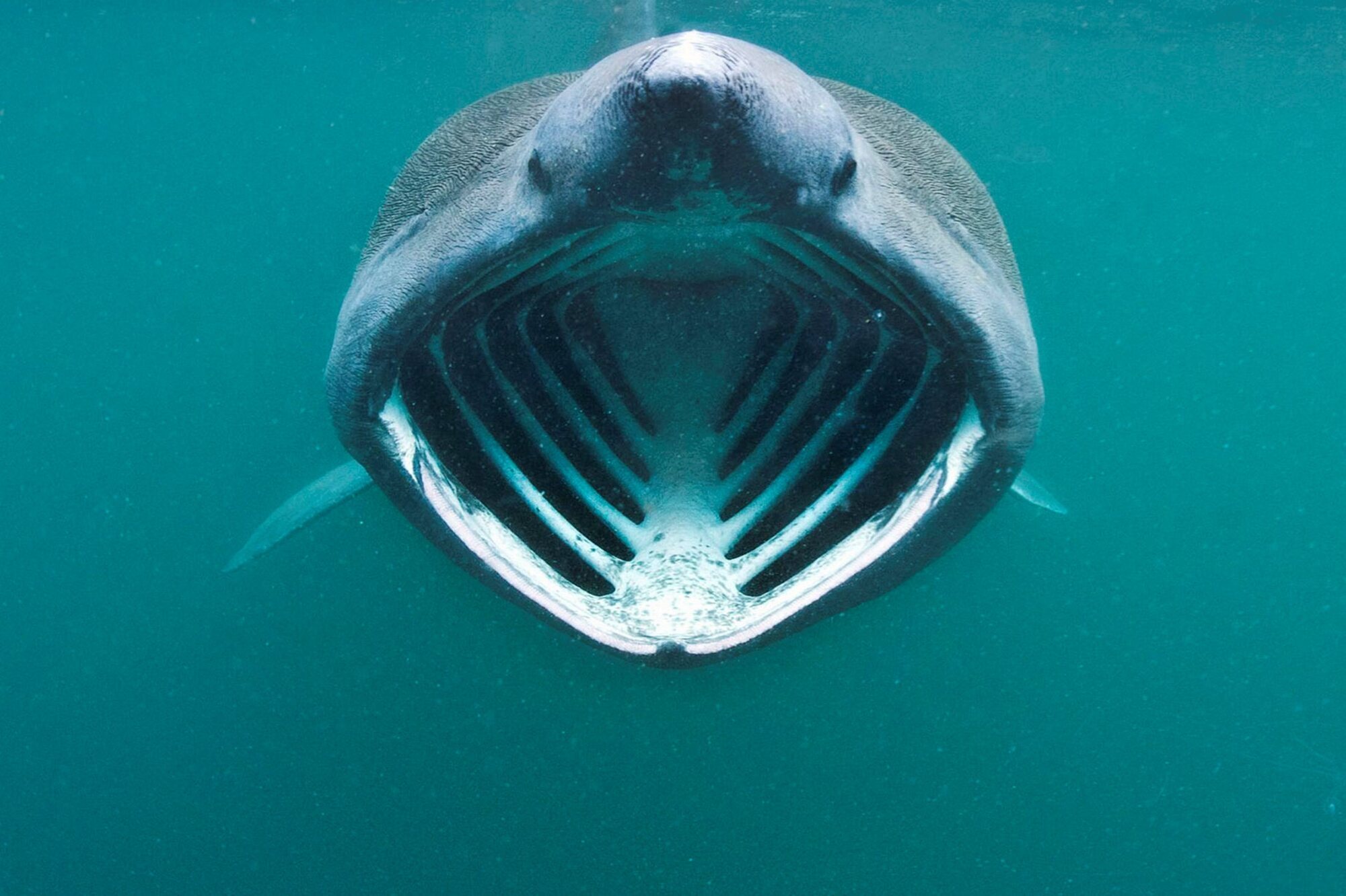
There were 10 times more sharks millions of years ago than today.
SHARKS have survived, largely unchanged, for 400m years. Theirs is a winning formula, but, according to research results just published, life wasn't always plain sailing for these predatory fish. They have stared extinction in the face.
Palaeontologists from Yale University and from Atlantic College examined fossil teeth and fish scales recovered from ocean sediments.Â
Their analysis shows that there were 10 times more sharks in the remote past than there are today.
About 19m years ago, the range of shark species fell by about 70% and overall numbers dropped by 90%. Twice as many sharks disappeared at that time than were lost in the great catastrophe, 47m years earlier, when 75% of the world's plants and animals were rendered extinct.
The causes of the shark demise remain a mystery. No worldwide disruptions of oceanic ecosystems are known from the period in which it occurred.
These research findings are of particular interest today, because sharks are threatened as never before. 100m of them are slaughtered each year, mostly to satisfy the demand for shark-fin soup. The dorsal fins are cut off and the dismembered fish are thrown back into the sea to die.
Offering guests the bland soup, once thought to have medicinal properties, remains a status symbol in China.
Sharks frequenting Irish waters are in trouble. The porbeagle, our most formidable fish predator, is listed by the International Union for the Conservation of Nature as 'vulnerable', and the weird-looking angel shark is 'critically endangered'. The basking shark, 'an seoltoir', 'the beast with the sail', is deemed 'threatened'. This is particularly significant here, because about 20% of the 10,000 basking sharks in the Atlantic visit us.
reported that up to 60 basking sharks were seen off Achill this summer. There have been sightings in Keem Bay, where, each year during the 1950s, liver oil was extracted from thousands of these ocean giants.Â

The operation closed in the 1970s. Perhaps the goose that laid the golden eggs had been killed, or other factors were at play, but there seemed to be fewer sharks off our coasts for several decades. Nor is the recent shark renaissance confined to Achill; the largest fish in the North Atlantic is now seen frequently off our south and west coasts.
The gentle giant doesn’t want to be a fish; it would prefer to be baleen whale. Like the largest marine mammals, it feeds on tiny creatures. Swimming at a leisurely pace, its two-metre gape wide open, it passes the equivalent of an Olympic swimming pool of water through its gill rakers each day, sieving out shoal fish and plankton.
The species is protected in Scotland, but not here. In 1991, Charles Haughey proposed that Irish waters be declared a whale-and-dolphin sanctuary. Now, the Social Democrats have tabled a bill in the Dáil to give basking sharks protection under the 1976 Wildlife Act.
Ominously, the Yale researchers found that shark numbers failed to recover after the great decline 19m years ago. Eliminating apex predators has unpredictable consequences. Would shark populations be permanently affected, even if the present, senseless slaughter ended?
- Elizabeth Sibert and Leah Rubin, 'An Early Miocene Extinction in Pelagic Sharks', 'Science', 2021.