Donal Hickey: Local groups join forces to save natterjack toad
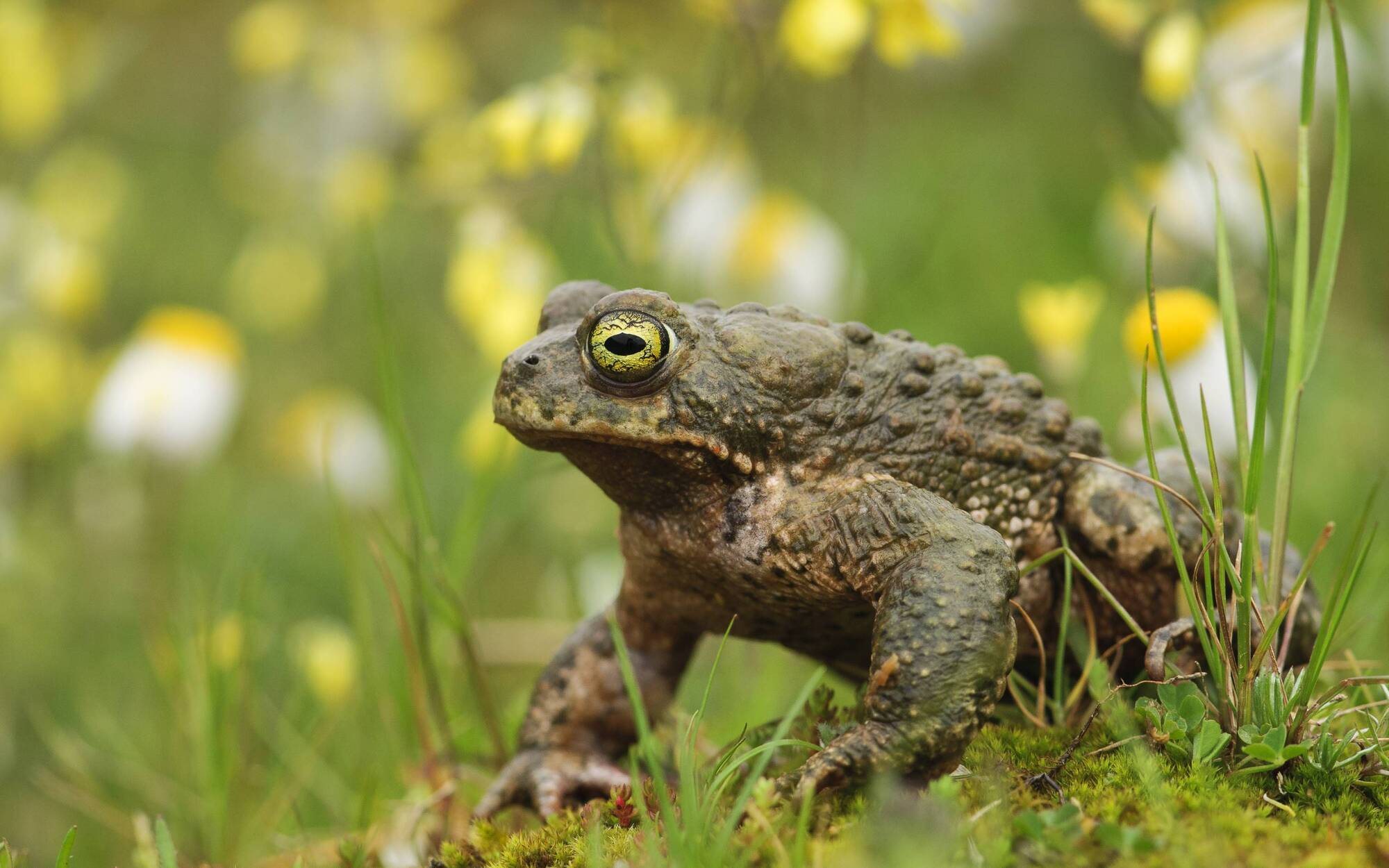
The endangered natterjack toad is so-called because of the repetitive, rasping noise it makes.
IT'S always heartening to hear good news of action by local people to protect their own environment, especially in a time of so much negativity about such matters.
The endangered natterjack toad — so-called because of the repetitive, rasping noise it makes — is at the centre of our story, which is focused on Lough Gill, an important coastal lagoon, and part of the Tralee Bay and Maharees Peninsula region, Co Kerry.

A special area of conservation, the lake supports a variety of wildlife including flounder, the endangered European eel, and wintering birds such as the whooper swan. It is also a key breeding site for the protected natterjack, which is at risk due to habitat loss.

Ireland’s only toad species, it lives in sand dunes around Lough Gill. This upped the tempo for urgent action to tackle the invasive New Zealand pygmyweed, because it also threatened ponds next to Lough Gill and the local biodiversity.
The pygmyweed is native to both Australia and New Zealand. It was introduced here via the horticultural and aquarium sectors for sale in garden centres and pet shops, according to the spring issue of the EPA Catchments Newsletter.
Â
These mats shade out other water-based vegetation, which has a negative impact on fish and other wildlife.
All of which prompted action by anglers, community groups and Castlegregory Golf Club, on whose lands the ponds are located, to take action with the support of the local authority waters programme, the National Parks and Wildlife Service, and other agencies.
Under expert supervision, pygmyweed was excavated from dried-out ponds and then buried. A five-year monitoring programme is under way to ensure full eradication. Like Japanese knotweed, the pest spreads easily, with a new plant growing from a fragment of the parent plant.
Small fragments can spread to other locations on clothing, equipment and by animals, thus making it extremely difficult to tackle.Â
Alfie Hughes, a member of the local community group, said: “If the pygmyweed had entered the lake, the entire ecosystem of this huge area would have been destroyed or at least vastly changed forever. Two years of planning and consultation are now bearing fruit."Â
The infestation could have had a negative, long-term impact on the entire Lough Gill and the wider landscape, severely affecting the amenity value of the catchment for locals and visitors alike.
Meanwhile, the natterjacks have emerged from hibernation and the loud croaking of the male, which can carry for long distances, should soon be heard from the breeding ponds.