Nature can fight back after trouble with rats
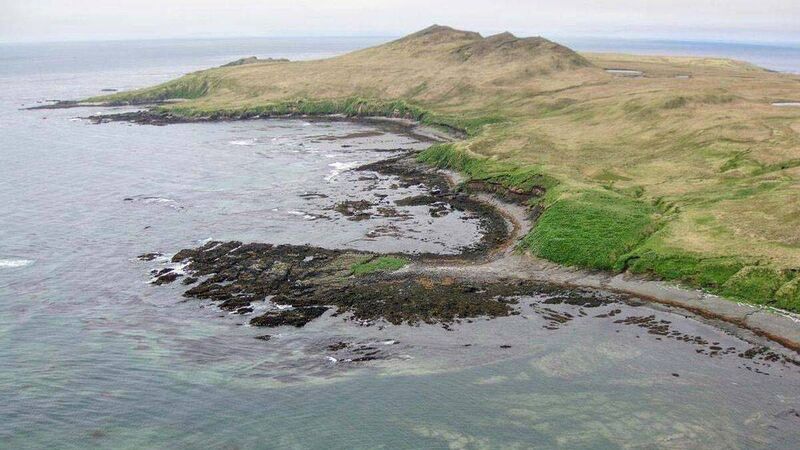
Hawadax Island in Alaska is now rodent free.
Rats eat the eggs and chicks of nesting seabirds. St Patrick, in the guise of the National Parks and Wildlife Service, seeks to banish these rodent pests from Great Saltee, Co Wexford, graveyard of 1,000 rat-infested ships.Â
Patrick may have ousted the snakes with a wave of his crozier, but giving the Saltee vermin their P45s is a tougher proposition.
Jihads against rodents have succeeded elsewhere. During the heyday of whaling, rats came ashore from ships on South Georgia in the south Atlantic, and devastated the wildlife there. Huge quantities of poisoned bait were deployed against them and, three years ago, the final resting place of Ernest Shackleton was declared rat-free. By 2012, Palmyra Atoll in the Pacific had been cleared of 30,000 rodents. To protect the atoll’s unique crabs, the poisoned bait was placed high in palm trees, where only rats could reach it.

How quickly does wildlife recover following liberation? Research on the long-term effects of introduced aliens, and on the control measures used against them, has been limited. Now researchers, led by Carolyn Kurle of the University of California San Diego, have made one such assessment.
Fourteen large islands and 55 smaller ones form a chain, resembling a necklace on the map, between Kamchatka in Asia and Alaska in north America. Hawadax, one of the smaller islands, has had many alien invaders. Rats escaped from a Japanese ship which ran aground there in the 1780s. Their descendants became so numerous that Hawadax was renamed Rat Island. The brown rat remained the island’s apex predator until Arctic foxes were introduced by fur trappers in the 1800s. Military occupation during World War Two caused further destruction.
Kurle surveyed Hawadax in 2008 at the height of the rat occupation. She found that the eggs and chicks of nesting waders and seabirds were being eaten by the rodents. The reduction in bird numbers had a knock-on effect; an explosion in the numbers of algae-eating snails and limpets which, in turn, greatly reduced the amounts of kelp growing along the shore.
The foxes were eliminated on Hawadax in 1984. Removing the rats was more difficult. The eradication project there was the largest ever attempted in the Northern Hemisphere. Grain pellets, laced with poison, were dropped from helicopters at strategic locations. By 2010, the island was clear of vermin.
Scientists wanted to know how effective the eradication measures had been. Would the ecosystem recover fully and how long would that take? What were the permanent effects, if any, of the rodent occupation?
Kurle returned to Hawadax 11 years after the demise of the rats. In a paper just published, she and colleagues report on surveys they carried out there. The "native shorebirds", they found, had returned, "leading to a community resembling those on rat-free islands". There were "significant decreases in invertebrate species abundances and increases in fleshy algal cover". These conservation successes’, the authors conclude, "are especially important for islands, as their disproportionately high levels of native biodiversity are excessively threatened by invasive mammals".
Nature is fragile, but the Hawadax experience shows that it’s also resilient.
- Carolyn Kurle et al. Indirect effects of invasive rat removal result in recovery of island rocky intertidal community structure. Scientific Reports. March 2021

Continue reading for €5
Unlock unlimited access and exclusive benefits
Already a subscriber? Sign in
Cancel anytime
CONNECT WITH US TODAY
Be the first to know the latest news and updates