The clash between nature and a decent phone signal
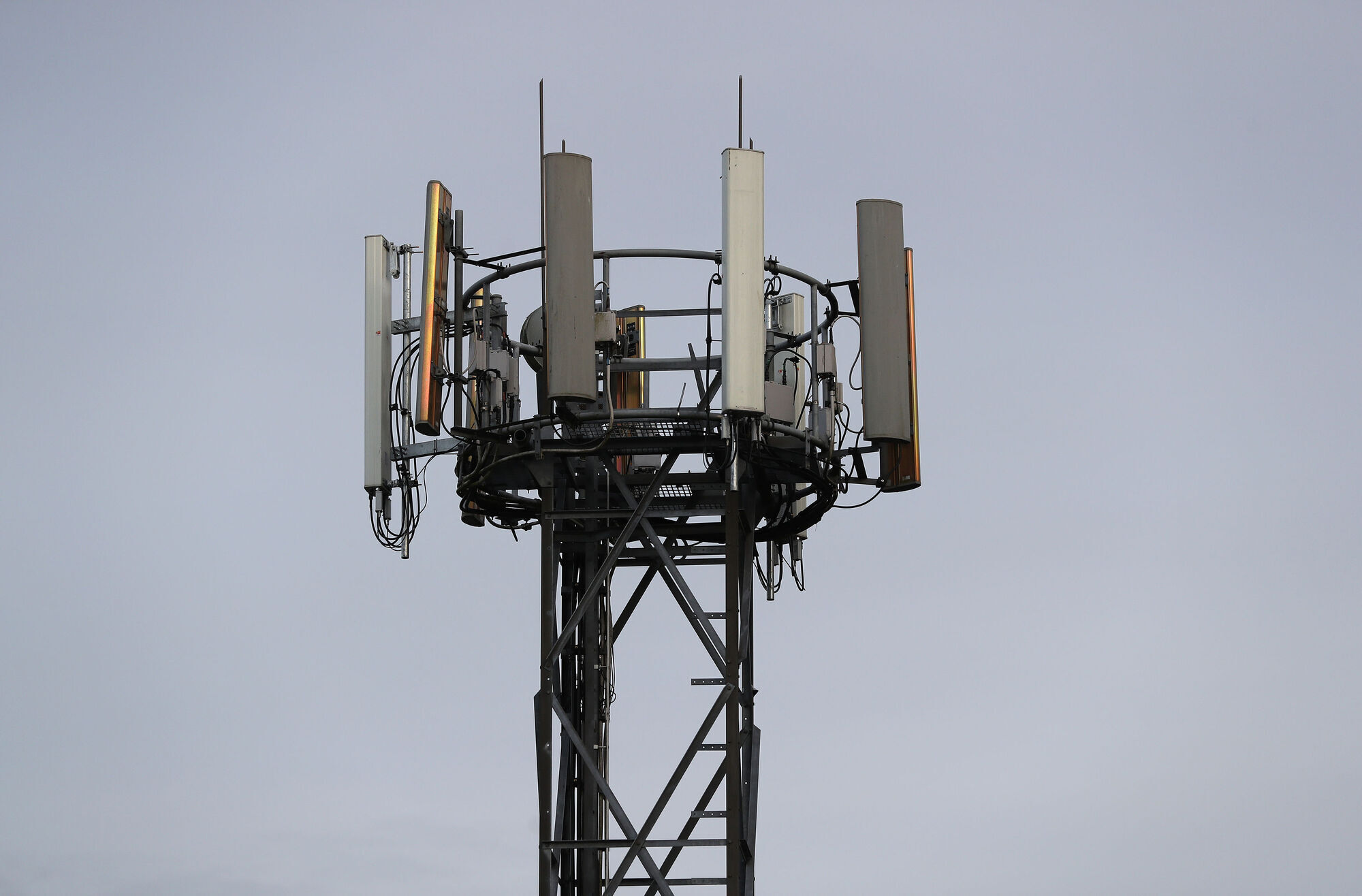
Network operators are locked in disputes in different parts of the country over the construction of new transmission masts. File Picture:
A conflict between demands for improved mobile phone reception and the growing of native forestry is underlined by a planning issue in North Cork.
Objections have been lodged with An Bord Pleanála against a Cork County Council decision to grant planning for a telecoms mast on Coillte-owned land near Doneraile.

This is woodland which was gifted to Coillte about 35 years ago when the state assumed the running of Doneraile Park, now a popular attraction along with Doneraile House.
The property includes four different oak and ash woods, including Mounadonna wood, which is earmarked for the mast. One of Doneraile’s senior citizens, Thomas Hickey, strongly believes Mounadonna should be protected and further planted with native trees.
“Coillte, in my opinion, should transfer these habitats to Coillte Nature [part of the Coillte organisation] and let them get on with the proper, sensitive management of the environment in there,’’ he says.
Coillte manages 20% of its land for biodiversity and the aim of Coillte Nature is to restore and rehabilitate such land, which often comprises bogs and mountainous terrain. Work is already underway by Coillte Nature in the Dublin mountains to change nine forests from commercial to recreational use.

Mr Hickey, who fears the focus is on what is happening near Dublin, says he has unsuccessfully been trying tried to get politicians interested in the Doneraile issue. He is also trying to engage Minister of State for Agriculture Pippa Hackett, of the Green Party. Overall, he is disappointed with the political feedback.
Cignal Infrastructure Ltd, one of the leading providers of telecoms masts, and sites throughout the country, is the company which has obtained planning for a 30m mast on the Doneraile site. Several objections have been lodged and a decision is due from the appeals board on April 15.
Meanwhile, network operators are locked in disputes in different parts of the country over the construction of new transmission masts, which the companies claim could reduce the problem of coverage blackspots nationwide.
There are still many areas with unreliable or non-existent coverage. Five years ago, the Department of Communications launched the mobile phone and broadband taskforce to come up with solutions.
A report published by the taskforce found that significant opposition to planning permission for masts at a local level resulted in poor mobile coverage as essential infrastructure was either delayed or never installed.
With so many planning appeals, long delays are experienced in getting masts as it can take a quite a time to get projects approved, but the companies continue to plan for more masts to meet demands on their networks.
According to the CSO, 88% of us regularly use our mobile phones to access the internet, including 70% of the 60-74 age group.