Earth-friendly fixes for your everyday wood antique furniture
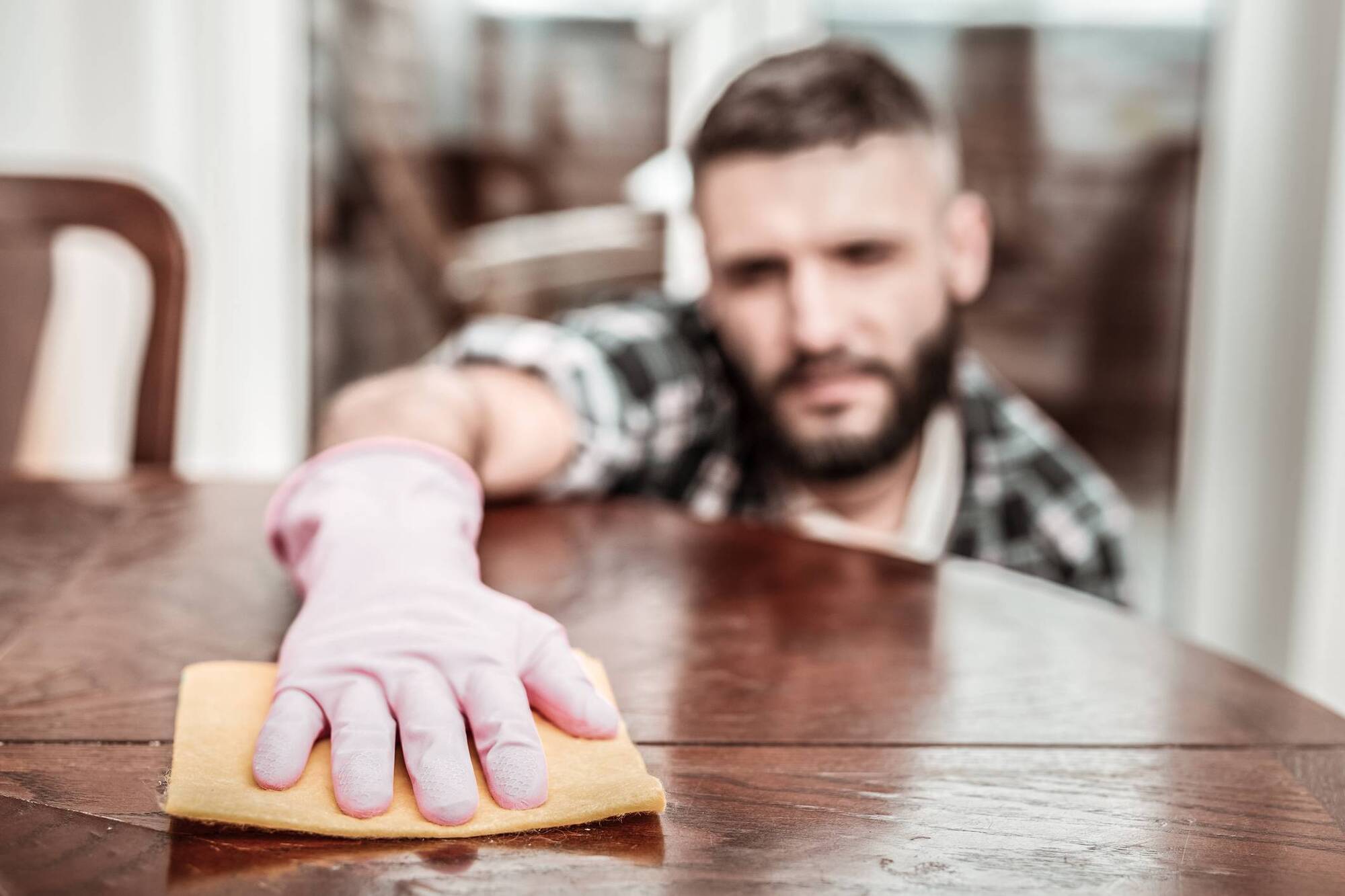
Daily and even occasional use can leave its mark on your wood furniture. Picture: iStock
The slings and arrows of daily and even occasional use or misuse can leave its mark on your antique and even younger wood furniture. Here are a few hacks and easy skills to get them back to lightly distressed beauty.
Small, pellet-sized holes from old (inactive) woodworm and diminutive cracks can be either left alone or filled. If you just leave these smalls dings and divots, they will level up with your wax polish and will soften, making them less apparent. Some people prefer this honest history. However, it’s relatively simple to fix them up yourself — useful if there’s a break in a hard finish like lacquer. The key thing is colour match, as "brown" has so many variations and we want to get as close to that surface colour as possible.
Wax sticks for antique furniture come in a range of colours from €12 for a set of three. Paler shades will match pine, kingwood, beech and more golden hues, whereas a dark collection of sticks are ideal for the redder, darker undertones of mahogany, rosewood and walnut.
By warming the wax stick in your hand, just as you would the tip of a crayon, we can even combine two colours, scraping off a little and working them together or layering them up.
Ensure the hole is clean and dry of rough edges or dust — use a dull edge to very softly pick off any stray flakes of varnish. If you have to choose between two sticks go light first or layer two colours and blend with a little rub. When you’re satisfied, use a dull plastic tool or old credit card (some kits will include this) or the wood end of a match to softly manipulate the warm wax into the flaw.
Bring it to above the surface of the dent and then use a soft edge to slice off the proud parts. Rub off with using the warmth of your finger. Once set, you can apply your regular wax finish over the whole area to take away any tell-tale texture — one wax will slightly work into the other, blending the finish. This technique works with new furniture, timber cabinet doors and more, and because it’s completely reversible it’s relatively safe even on precious antiques.
Paint on sealed wood is a little more problematic, as once you start muscling around the pearl of paint, it’s possible to lift the surrounding area of wax or hard finish, spoiling that too. Leave good pieces of antique furniture to a seasoned restorer.
Water-based paint should give up with a little moisture on a microfiber cloth — don’t soak the area; damp not wet. Always get fresh paints spatters off immediately.
One approach for an oil-based paint is to soften only the drip of paint with mentholated spirits for just a few minutes and as specifically as possible (cotton buds are great — don’t soap the tip, just lift a minute amount from the cap of the bottle and blot out on tissue). Touch the paint blots with the spirit and leave for about 15-20 minutes.
Now, take an old credit card or soft edge of plastic or card (not a paint scraper) and tenderly winkle the paint blot off with a very gentle pressure by working inward on its edges. Don’t dig with a corner into the timber. If you use white spirits or mentholated spirits more widely on wood to remove paint stains, once the spirit has evaporated, work quickly to warm and redistribute the wax and polish to cover your work.
Again, don’t experiment on good pieces of furniture; accept imperfections until you can talk to a pro’. Fight shy of any product marked as a "stripper".
Watermarks are common problems with new furniture and working timber antique surfaces. You bang down or tremble the tea-cup, or forget to put a coaster under that vase of flowers on a veneered dining table. We’ve all done it and the results can be devastating. Wax and water create a foggy mess as the moisture gets into and under the protective finish, crystallising it into a greasy, hard muck. New spills should be taken up immediately with a dry cotton cloth.
Sprinkle over some baking powder to sup up anything lodged in open grain and polish the table once dry to redistribute existing waxes and oils. No wood surface should be left wet or cleaned with wet cloths — need I say, disaster.
There are multiple ways to try to turn back time on new or antique wood rings. We want to stay in these top layers and not work anything down into the surface. Avoid any wet "wet" water mixes and for dark ancient stains – removing the finish completely may be the only option if you cannot accept anything but diamond perfection. Home-made mayonnaise, olive oil or petroleum jelly can work on a fresh stain — work in a circular motion and polish off. If you choose to go further with steel wool (not sand-paper), use the finest grade you can buy and don’t spread the stain or use too much pressure — polish the area to finish.
There are good, gentle over the counter products intended for removing heat and watermarks from contemporary, fine and antique furniture protected with lacquers, varnishes and French Polish. They are not generally intended for waxed or oiled surfaces – so some finishes will have to be removed before you start. Use these products to the letter.
Colron Ring Remover comes in an easy to apply mousse, €10.50, suppliers include Woodies DIY. For stout new furniture, try a mixture of non-gel/non-whitening toothpaste and a sprinkle of baking soda in a mix. Work into the stain (with the grain) and rub off. Wax or polish to clean, finish and shine. Once you go to any abrasive — go easy. Once destroyed, centuries of patina cannot be replaced.
CONNECT WITH US TODAY



Be the first to know the latest news and updates