Why this book helps us open a fresh chapter in the garden
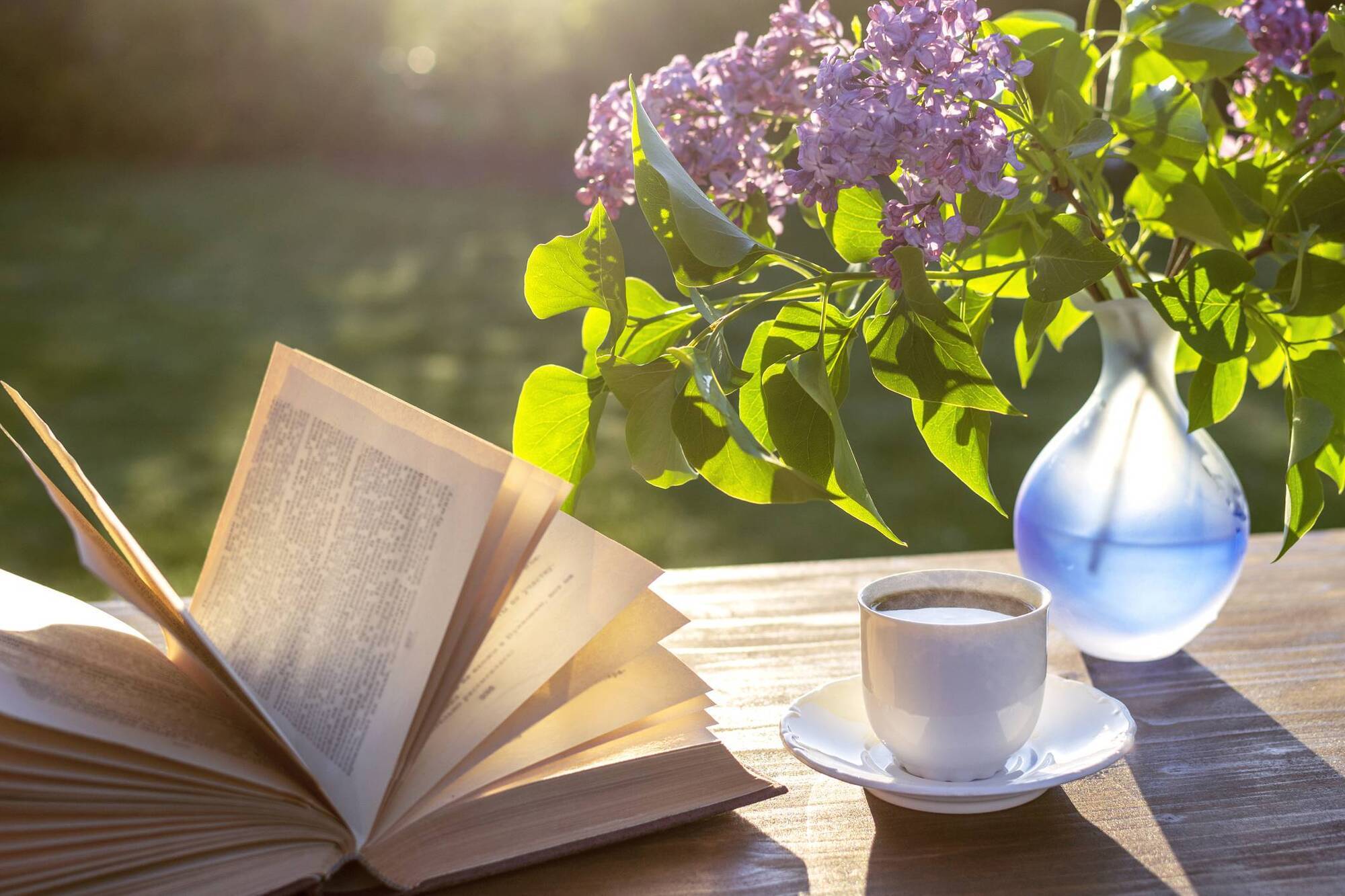
The newly published 'An Irish Nature Year' keeps Irish Examiner gardening columnist Peter Dowdall turning the pages  
Why this book helps us open a fresh chapter in the garden

Nature is “all around us. We don’t have to be walking in the countryside or wandering along a beach.

“It is there even in the built-up corners of cities. It is in the ivy-leaved toadflax tumbling from a wall crevice, in the chatter of house sparrows sheltering in a neglected hedge, in the clouds of ants appearing mysteriously on a still, summer afternoon. Nature is a constant friend, but so omnipresent that we often forget to admire it and be thankful for its existence.”

These are the opening lines of a new Irish book by Jane Powers and published by William Collins which was shortlisted for Best Irish Published Book of the Year at the An Post Irish Book awards 2020.

This shortlisting not only does justice to the book but also goes to illustrate the growing interest in and appreciation of nature and the natural world.

An Irish Nature Year by well-known gardening writer Jane Power is produced as a hardback, if not quite pocketbook then certainly small enough to be a handbook which you can bring with you on your walks and foraging trips.

'An Irish Nature Year' by Jane Powers.

It is a collation of Jane’s notes over years observing the flora and fauna of Ireland.

I am delighted to have discovered this at the start of the year as it means I can bring it along with me throughout the months and the book will begin the new season with me from the very start.

It’s a bit like an explainer-book, outlining what is in flower from January 1 onwards and going on to explain what else is happening in the natural world around us, as, in January food supplies outdoors are lessening and thus many of the smaller birds which nest often in coniferous woodlands, start to visit our gardens, “sometimes arriving in gregarious clusters”.

During May we read about the Pipistrelle bats which have come out of hibernation and have been “on the wing for the last couple of weeks”. Jane’s knowledge of the wonders of nature all around her is immense, and such knowledge means she can get a deeper appreciation of all that is happening in the great outdoors.

Developing such knowledge may take a lifetime but dipping into the book during the months (it is published in diary-form) will help us all to understand at least a small bit more of the rich tapestry.

Her musings take the reader from the Burren to enjoy widespread Dryas octopetala and then on, to describe the call of the chaffinch in such detail that you can nearly hear it.

Written in short snippets, you can’t help yourself from just reading one bit more to learn about wild garlic, cow parsley, all the different butterflies and hoverflies along with learning that in times gone by, children used the flower stems of Plantago lanceolata in games of “soldiers”. All this, in just one week in May.

According to Jane, many species which are new to Ireland turn up originally in County Wexford. Perhaps this is because the wind took them that way or maybe it is because the relatively high sunlight levels proved the attraction.

Images such as this one help to give this book an earthy, natural feel. Picture: Robert Vaughan

What I didn’t know is that in 1682 the first sightings of magpies were recorded by Colonel Solomon Richards. It seems that less than a dozen travelled from England or Wales and “entered the Barony of Forth at Wexford’s southeast tip and gradually spread throughout Ireland”.

The more we understand of the natural world, the more successful we will be in our gardens. Jane describes an infestation of the black bean aphid which gets its name from the broad bean.

This aphid is a very common garden pest, and ants just love their honeydew secretion. Examined under a microscope, you can make out the ants tickling the aphids until they produce. The ants deter ladybirds which are the natural predator for aphids and are what we want in the garden.

The more that I read, the more that I can see that the introduction of any chemical pesticide into the garden severely upsets this “natural balance”.

Maintaining this balance is critical to prevent the unnatural build-up of any one species. Much better to work with nature and to work with her to maintain healthy gardens.

There is a gentleness in the way this book is written and produced (no glossy, highly laminated prints within) but that shouldn’t take from the weight of importance of the content.

There is so much to take from these pages, even a cursory dip into the book will leave you with a broader knowledge and deeper appreciation of what lies all around us. I await the new season with even more enthusiasm.

x

More in this section

Revoiced

Newsletter

Sign up to the best reads of the week from irishexaminer.com selected just for you.

Cookie Policy Privacy Policy Brand Safety FAQ Help Contact Us Terms and Conditions

© Examiner Echo Group Limited