Use viburnums to brighten up your winter garden
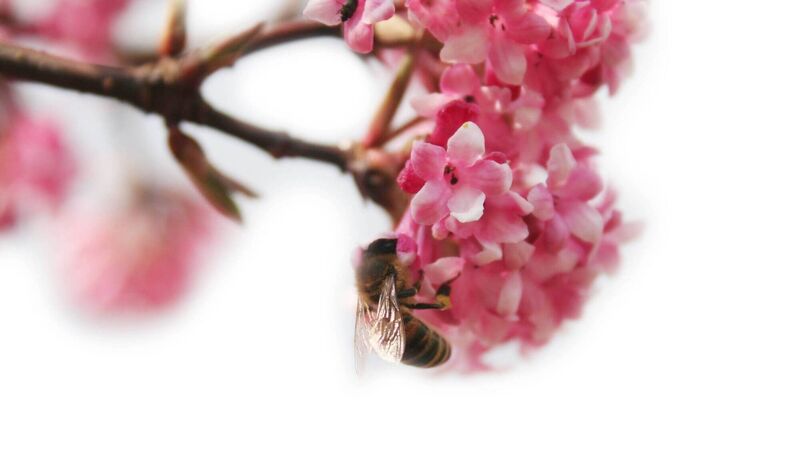
Viburnum x bodnantense 'Dawn' thrives in low temperatures, its sweetly scented blooms brightening up the winter garden along with providing valuable food to any bees and other pollinating insects. Picture: iStock
A few weeks ago I posted on my Instagram page, a picture of a spring-flowering magnolia in my mother-in-law’s garden which was in full bloom and I received dozens of replies from people who had similar such blooms in their own gardens. Azaleas, camellias and magnoolias were sending forth errant blooms in autumn.
That’s not uncommon during a fine autumn but the recent, quite dramatic drop in temperatures will have removed any horticultural confusion and these plants will be now in no doubt that we are, in fact in winter proper. They will keep their petals now, wrapped up inside cosy buds.
On the other hand, the low temperatures will trigger other plant hormones out in the garden as is the wonder of nature. Winter-flowering viburnums such as one of the finest of all winter-blooming plants, Viburnum x bodnantense ‘Dawn’ will really, only give of their best once the temperatures dip.
‘Dawn’ is a fantastic plant for the winter garden as, not only do the beautiful white, flushed pink flowers, which appear on naked stems brighten up the landscape with their aesthetic beauty but these same flowers release the sweetest of garden scents.
This is one of those plants that needs to be positioned correctly, however. Not wanting to offend the plant but when it is not in bloom, for eight or nine months from spring through to autumn, this shrub, which will get quite big, is not unattractive but equally, it is not the most outstanding plant in the world.

It needs to be planted somewhere that it can be seen and its scent appreciated, during this season but then when it is not in season it should mould into the background. It will reach about three metres in height with a spread of about two metres, not insignificant in size.
Dawn’s first cousin, Viburnum x bodnantense ‘Deben’ is very similar except that the flowers are nearly pure white, without the pink tinge which Dawn provides. Harder to source, ‘Deben’ is another true winter beauty.
Viburnum farreri has been in flower since mid-November and it will continue right into 2021. This is a larger-flowering species than either of the two V. bodnantense varieties. I tend to think of it more as a small tree than a large shrub. This is a line that can become quite blurred as there is no definitive difference between a tree and a shrub, it’s a matter of perception. V. farreri has similar flowers, again, small white flowers produced in clusters, like bunches of scented mini-trumpets, each trumpet slightly longer than of ‘Dawn’ or ‘Deben’.
Viburnum tinus is one of the stalwart garden shrubs. Unlike the ones already mentioned, V. tinus is evergreen and depending on which variety of tinus you grow, it will grow to anything between one and three metres in height.
Really beautiful white flowers are borne between October and April which then develop into dark blue-black coloured berries which are enjoyed by the birds in the garden. Last year's berries ripen at the same time as the current years flowers bloom and so the display during the winter months is quite something. Being evergreen and quite substantial in size, it’s not unusual to find birds making their homes in an established Viburnum tinus.
Like all of these Viburnums, V. tinus is fully hardy and ideally likes to grow in a position of full sun. This species also works well in polluted and urban areas, soaking up much of the pollutants from the environment and replacing it instead with fresh oxygen.
Viburnum opulus, a native plant, referred to as the Guelder Rose doesn’t flower right now, in fact it blooms during the summer months. Large white flowers were produced in abundance earlier in the year but it is during the next couple of months that the dramatic orange-red berries brighten up the winter landscape.
A mature, un-pruned specimen will easily reach four or five metres in height and so, only suitable for larger gardens though it can be kept in check with regular pruning and makes a fantastic and valuable addition to any mixed hedgerow. Again, loved by our feathered friends this is another Viburnum well worth growing for winter interest.
Many seeds too, need this period of cold weather in order to become viable. The mixture of cold weather and damp conditions will trigger the germination process in spring as the temperatures increase once more. The seeds of Viburnum opulus, many conifers and other seeds within berries such as Sorbus need this period of cold weather before they will germinate.
CONNECT WITH US TODAY



Be the first to know the latest news and updates