Winter gardens give us opportunity to take stock

It's time to indulge in some armchair gardening and take time out to choose seeds and summer bulbs. Pictures: iStock
At this time of year, I love indulging in a spot of armchair gardening. In times gone by that meant, leafing through the seed and summer bulb catalogues which would all arrive around now, full of promise and expectations for next year. Nowadays, of course, the paper copy has been replaced by the screen.
As a result, there is now, no end of catalogues and product lists that I can peruse, the downside is that there are just too many and how do I choose? Also, I actually miss what is now referred to as “hard copy”, in other words, the actual, physical catalogue. I enjoyed turning the pages much more than swiping my screen to the left or right.
It’s time to prepare now for next season as that seems to be what we are always doing as gardeners, looking to the future. Clean the garden tools, put some order in the shed and greenhouse, consign the frost-tender annuals and the tomato plants to the compost bin and give the garden a clean up before the winter-proper sets in.
If you are prepared, then sowing seeds of some of next year's show-stoppers can be done now. Sweet peas seed can be started indoors now, so too that of sunflowers, calendula and other hardy annuals. Doing this now doesn’t just mean that you will be ahead of the curve come spring next year, it also means that you will have much stronger, healthier plants to harden off and then plant out once the risk of frost has passed next May.
Lawns can do with some attention now too. It’s too late for scarifying and aerating but what they will benefit from is a winter feed. Grass doesn’t need a high nitrogen feed at this time of the year. Rather it wants a high potassium tonic. An application of the Irish-made Lawn Gold Winter Protect now will help to stimulate good root development over the winter months which will, in turn, strengthen the lawn before next spring. As it contains calcium, this will maintain a slightly alkaline pH, which is ideal for healthy grass and not conditions in which moss can get a foothold.
Maintaining the natural balance is crucial in the garden. In short, what this means is that by ensuring a wide diversity of species exists in the garden we can prevent the unnatural build-up of any one species. We can do this by planting a wide range of plants and of course by not using chemicals. Chemical pesticides have a detrimental impact on the garden. Yes, they may kill off a pest in the garden but they will also most likely have an effect on the predators. Far better to always work with nature in the garden.
Feeding the birds will attract a wide variety of wild birds to your outdoor space and in return, they will munch away on pests such as vine weevil, leather jackets and slugs and snails. A few, well-positioned bird feeders with a variety of different seed mixes will attract the widest range of birds. Nijer seed, sunflower hearts and peanuts will all be consumed voraciously during the next few months and with these there is no husk and so no debris will be dropped to the ground beneath.
Applying a mulch of farmyard manure, compost or bark around the base of plants during the next few weeks will not only keep weeds down but will also protect plant roots from frost or snow along with increasing the nutrient levels and improving soil texture. The garden will thank you next summer too, as a few inches of mulch will have huge benefits in reducing water loss through evaporation during the warmer months.
Bulb planting for spring displays should be well underway by now but there is still plenty of time to do this if yours aren’t planted yet. Tulips and alliums do better if planted when the temperatures have dropped to a more seasonal level as they have during the last two weeks.
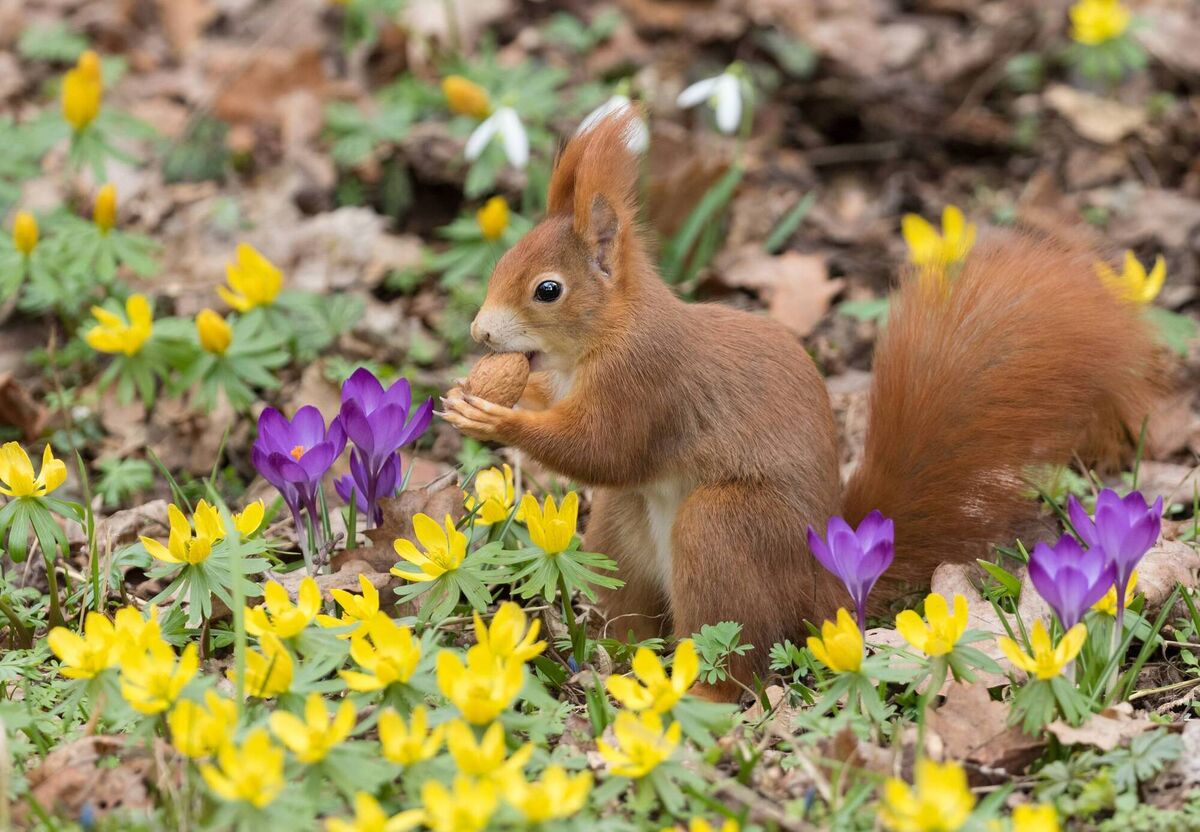
Earlier flowering varieties such as crocus, snowdrops, early daffodils and winter aconite may already be emerging above ground. I like to stagger my bulb planting over six-eight weeks so that the flowering period on the other end, next spring, is extended, the ones planted first, will bloom earliest and those planted later will flower after a few more weeks, giving a longer floral display in the spring.
CONNECT WITH US TODAY



Be the first to know the latest news and updates