Sotheby's break the mould with auction spanning 500 years of art history
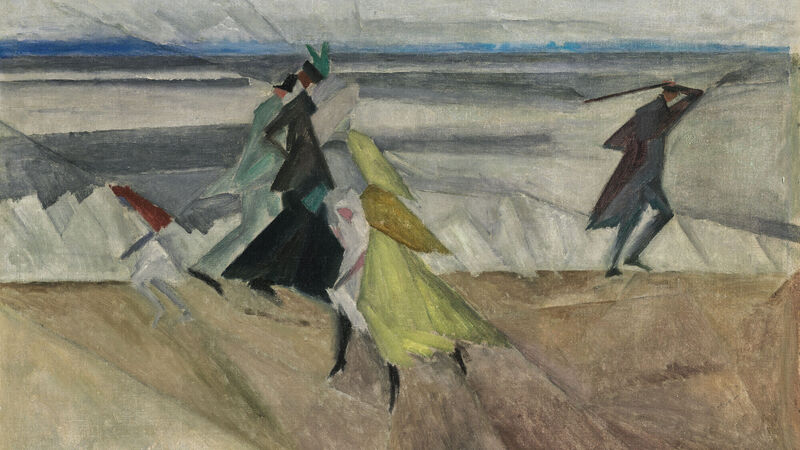
It looks as if moulds are set to be broken in the world of big-league sales as a result of the pandemic.
In the earlier decades of the last century people who collected antique furniture, art and collectibles tended to focus on one particular period. In furniture sales that vanished as tastes changed. Now it is happening in art, spearheaded by Sotheby's.
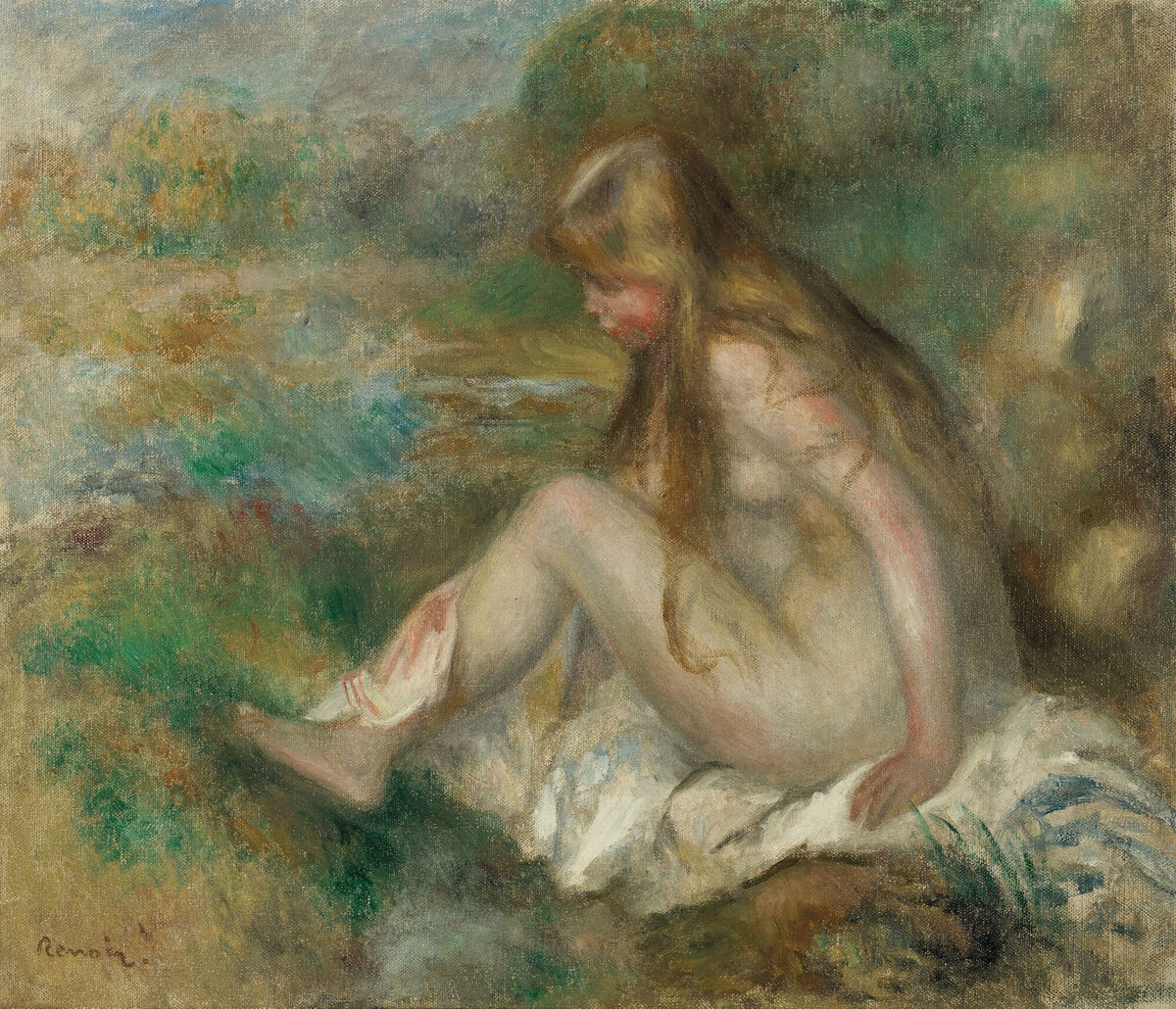
Auctioneer Oliver Barker, Sotheby's chairman Europe, remarked afterward that: “This season, we have started to re-write the rule book of auctions... Though it’s late in the season by traditional standards, it’s clear from tonight’s results that the market in London and around the world has definitely not gone on holiday.”
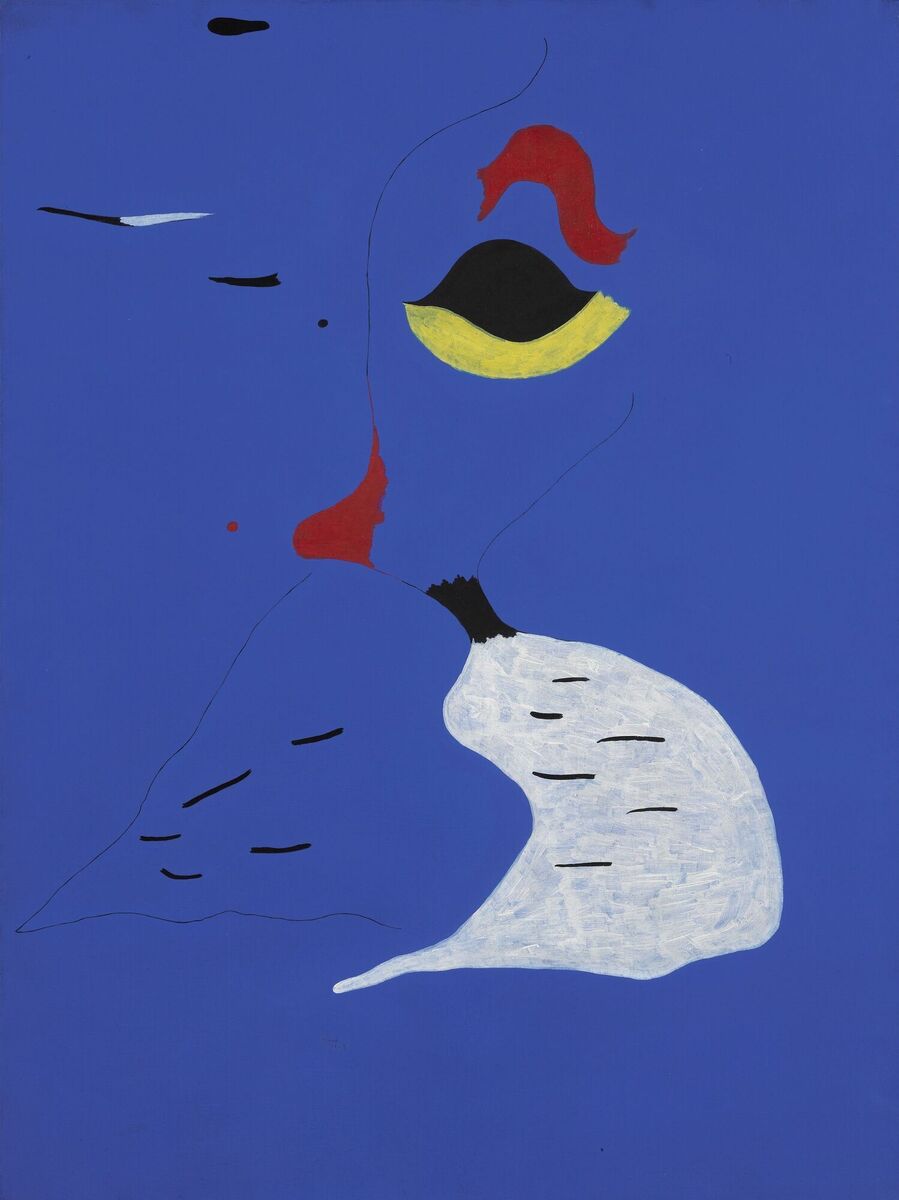
It is difficult to argue with his assessment. Up to now, we have had February, May, and winter events in London, New York, and Hong Kong with Impressionist and Modern sales one week, followed by Contemporary Art the next. Everything, including buyers, was categorised and corralled. Covid-19 has formulated a question about this. Why? Tastes have changed in more areas than antique furniture collecting.
If it is okay, in the billionaire bracket, to have a Matisse alongside an Old Master beside a Miro why do they need to be sold in separate sales? This question will undoubtedly agitate minds in major auction houses in the months ahead.
Banksy's 'Mediterranean Sea View, 2017' complete with empty life jackets and safety belts symbolising drowned Europe bound migrants, made £2.235 million. It was donated by the artist to raise funds for a hospital for Palestinians in Bethlehem.
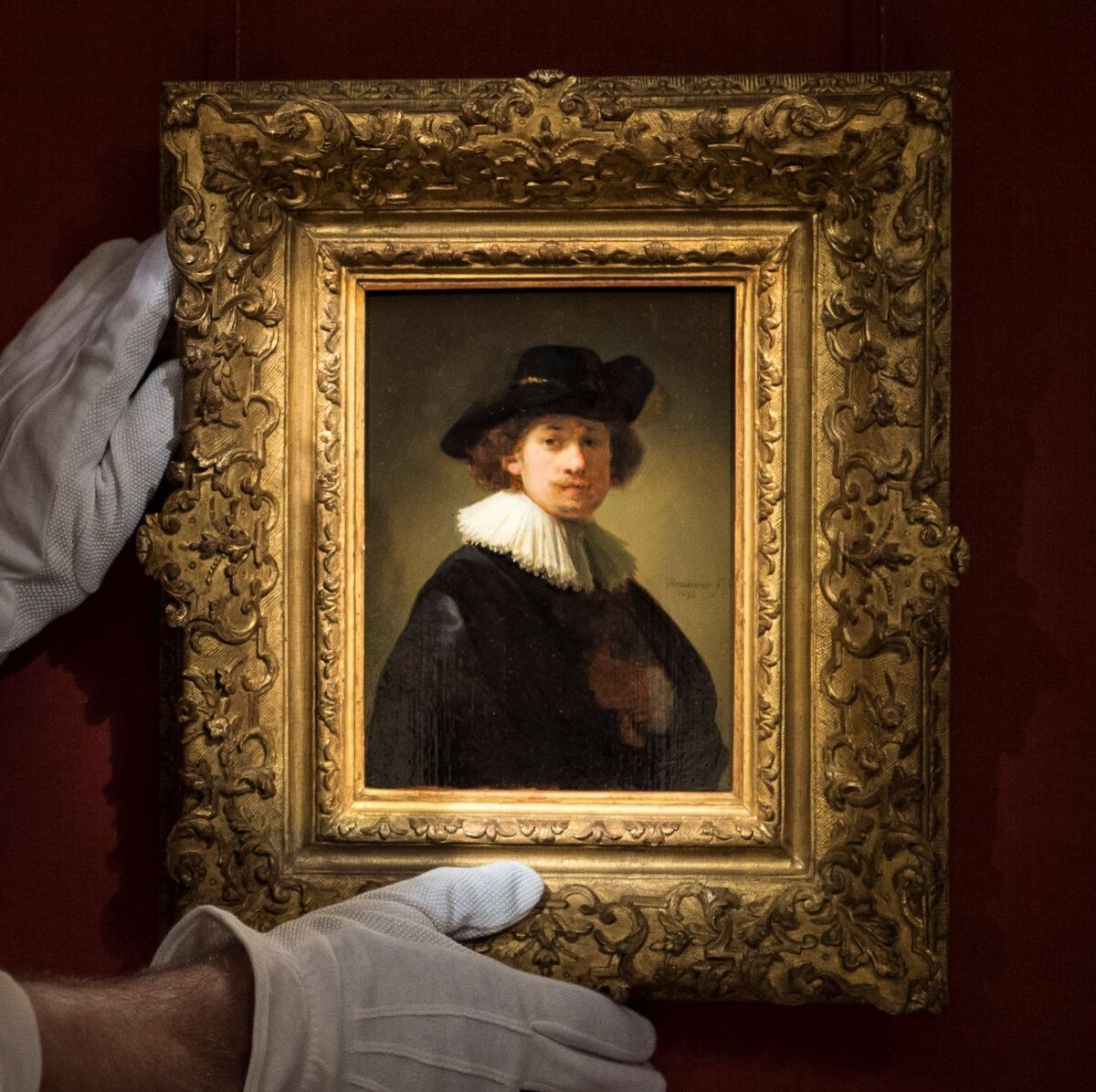
A small self-portrait by Rembrandt sold for £14.5 million, setting a new auction record for a portrait by the artist. The previous record of £6.9 million for self-portrait was set in 2003. Fernand Leger's 'Nature Morte' led the European avant-garde collection and sold for £12.2m and Gerhard Richters 'Wolken (fenster) Clouds (window)' made £10.4 million.
CONNECT WITH US TODAY



Be the first to know the latest news and updates