How George Bernard Shaw bought art masterpieces for Ireland from beyond the grave
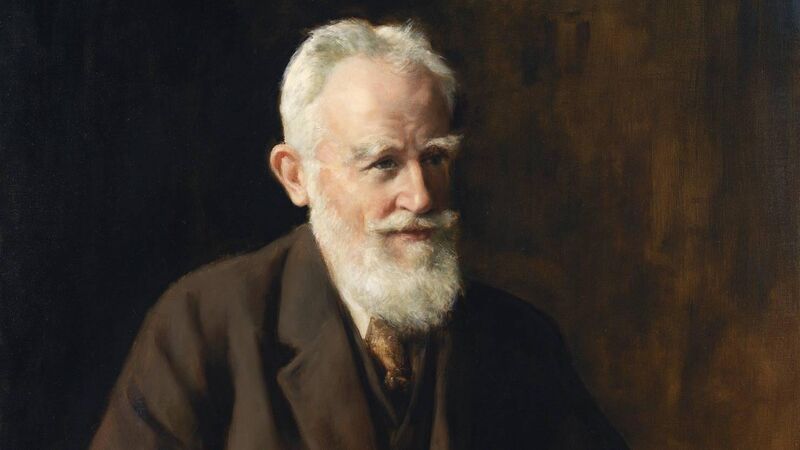
Portrait of George Bernard Shaw (1856-1950) by John Collier. Picture: National Gallery of Ireland
When playwright George Bernard Shaw left one-third of his posthumous royalties to the National Gallery no one could have guessed that it would amount to one of the largest-ever gifts to the arts in Ireland. With the production of based on his play , a Broadway success in 1956 and a popular film in 1964, these royalties hugely increased.
The Gallery received its first Shaw bequest royalties in 1957 of £10,000 and by the end of 1959 over €240,000 had been received. The first purchases were made in 1959. The Shaw bequest, which ends this year, has enabled the acquisition of masterpieces such as by Paul Signac; by Chaïm Soutine; by Domenico Tintoretto; by Baron François Gérard; by Francisco de Goya; and , attributed to Strickland Lowry.
Shaw, who won the Nobel Prize for Literature in 1925, spent many hours in the gallery as a child and called it the place to which he owed “much of the only real education I ever got as a boy in Eire”. A special display entitled "Shaw and the Gallery: A Priceless Education" has just opened at the National Gallery of Ireland and runs to April 4, 2021.
CONNECT WITH US TODAY



Be the first to know the latest news and updates