Donal Hickey: A festive walk in the boglands prompts much food for thought
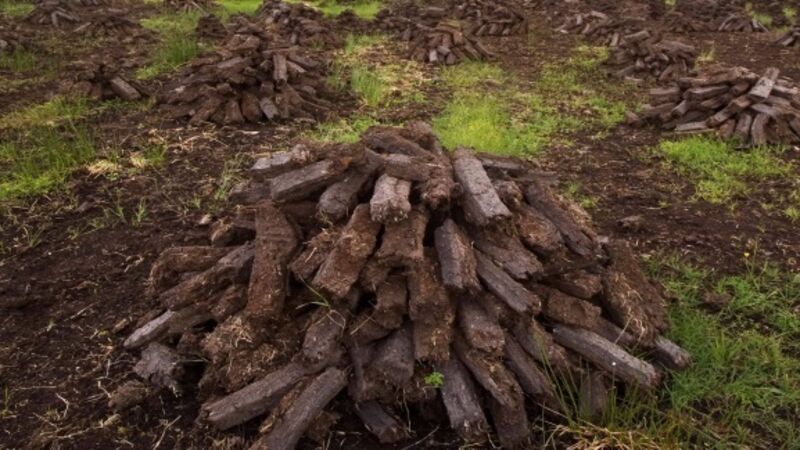
A walk in the mountains or bogs can be highly recommended for working off the excesses of the festive season. It’s hard to beat the fresh air some of us will be breathing in familiar peatlands over the festive period.
With an election due in the new year, environmental issues will be close to the top of the political agenda. We’re also likely to get a new minister for the environment and climate change.
Inevitably, there will be even more strident calls to stop turf-cutting and protect what remains of diminishing boglands. Groups such as the Irish Wildlife Trust (IWT) have been calling on politicians to vote against legislation to open protected boglands, designated as Natural Heritage Areas.
So, despite the Government’s declaration of a climate change emergency, not everything is sacred. Padraic Fogarty of the IWT warned against further degradation of boglands along with associated pollution, extinction, and greenhouse gas emissions.
“It is beyond belief that we would be talking about removing key protections from peatlands given what we know about them,’’ said Mr Fogarty.
"They are central to our goals to tackle climate change and provide refuge to unique biodiversity — at a time when we should be putting all our resources into protecting and restoring them it is bonkers to think that we’re moving in exactly the wrong direction.”
Fianna Fáil leader Micheál Martin has said he is serious about facing up to our ecological crisis — a commitment that will be watched by environmental groups in the year ahead. especially if Fianna Fáil are the majority party in a new government.
Boglands have an important role to play, as they absorb carbon from the atmosphere.
According to a new study, however, Europe’s boglands are in such a dry and fragile state, they could go into reverse, releasing rather than absorbing carbon.
Scientists stress it is more important than ever to restore and safeguard these landscapes which, for generations, have been regarded as wastelands with no useful purpose.
Researchers examined 31 peatlands across Ireland, England, and Scandinavia and continental Europe to assess changes during the last 2,000 years. The study found that most peatlands had become drier during the period 1800-2000 than they had in several previous centuries.
Drainage, tree-planting, and land reclamation, have been sucking the life, literally, out of bogs.
Maarten Blaauw of Queen’s University Belfast said peatlands are a great help to our planet as they take carbon out of the atmosphere and store it, which helps combat climate change.
Worryingly, however, the study shows that the drying of our bogs appears to have changed this process and peatlands could now actually be turning into carbon sources — instead of absorbing carbon they are starting to release it.
CONNECT WITH US TODAY



Be the first to know the latest news and updates