‘Bashing’ invasive plants
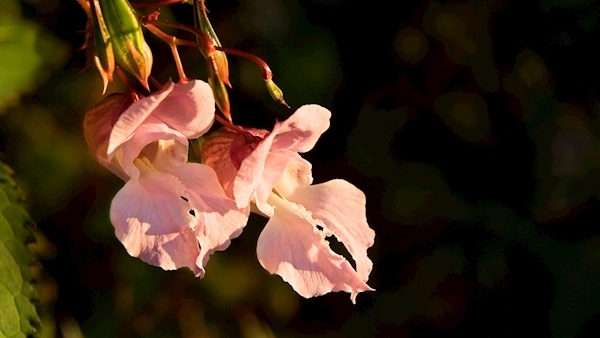
More and more communities and volunteers are taking on environmental tasks around the country. In Clonmel, Co Tipperary, for example, people have united to get rid of Himalayan balsam, an invasive plant, from the banks of the River Suir.
‘Balsam bashing’ is the term used to describe the removal of the plant, one of many invaders here like Japanese knotweed, giant hogweed or rhododendron. Balsam is one of the top-10 species to cause significant environmental damage, especially to river banks.

So-called ‘bashing’ takes advantage of the shallow root system and delicate stem of the balsam, which means the plants can be easily pulled and broken.
This must be done before seeds emerge as any attempt to remove the plant once seeds have developed will burst the pods, spreading the seeds further.
As balsam grows, it shades out native plants like grasses and saplings. From October onwards, balsam plants die back leaving the soil more exposed to weathering and erosion, as native plants had been blotted out earlier in the year.
If balsam spreads along the Suir it will erode large sections of river bank with sediment ending up in the river bed, with negative effects on plants, insects and spawning grounds of salmon and trout.
The work of the Tipperary volunteer group, comprising members of Suircan and Workman’s Boat Club, Clonmel, is highlighted in the autumn issue of the EPA’s Catchments News.
They were joined by students from Italy and technical support was provided by the local authority waters programme. Alan Moore, of Suircan, says balsam plants have been “completely eradicated” from the locations that were tackled last year, while Shay Hurley, of Workman’s Boat Club, also believes the war against balsam, now in its second year, is being won.
Meanwhile, a new study on alien plants in Ireland says citizen science and volunteer eradication efforts should not substitute for a properly-funded national response. Published in Biology and Environment magazine, the study says there’s a poor understanding of the long-term impacts of plant invasion and also questions the effectiveness of many control measures.
It says citizen science projects are important for early detection of new species and limiting the spread of existing invaders. “However, the effective control of existing plant invaders requires a coordinated, all-Ireland approach supported by appropriate resources and scientific expertise,” the study stresses.
The number of alien species coming to Ireland in the future is predicted to rise. There are also warnings that climate change will promote species already here and favour the spread of new species.