The hedgerows are alive with the sound of insects
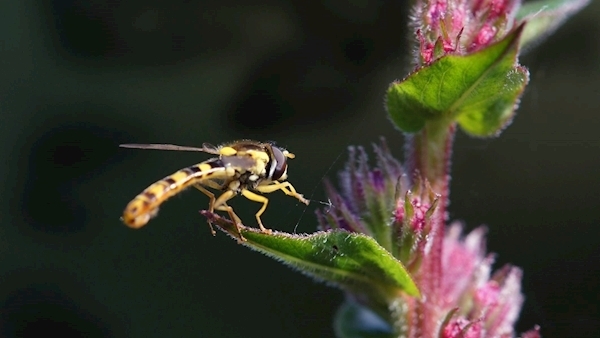
Pollinators are busy feasting on a tempting selection of flowering plants, says
SOMETIMES we need to stop and admire that which is all around us.
The hedgerows are alive right now with the sound of insect life. Bees, hoverflies, butterflies, moths and other pollinators are feasting on the selection of plants in flower such as digitalis, lonicera, crocosmias, geraniums and willowherb.
Purple loosetrife or Lythrum salicaria too is in full bloom now and is one of the stars of Irish hedgerows and ditches at the moment. This is a really stunning, upright growing perennial which produces spikes of purple coloured blooms from June right up to the first frosts in October or thereabouts.
In the wild, lythrum will grow as much as two metres in height and once given the correct growing conditions (a spot in full sun and moist soil), it will make itself quite at home. It is ideally suited to growing in a damp area near a pond, stream or river and once it is happy where it is, lythrum will clump up easily and set seed freely.
All this leads to a wonderful display in the wild and amongst the hedgerows of rural Ireland though it may be a bit too big and invasive for domestic gardens. We don’t always appreciate the magnificent displays which nature provides for us free of cost as we hurtle past at 100km per hour but once we do stop and appreciate them, it can give us great inspiration for our own garden spaces.
Lythrum salicaria ‘Robin’ is a cultivated form which only gets to about 1.2m in height and produces flowers which are more deep-pink than the wild form. Pardon the pun, but this is a perennial stalwart as, without fail, each year up it will come providing masses of flower colour as the season draws to a close. It also plays an essential role in providing food for bees and butterflies to whom it is extremely attractive due to the high amounts of nectar that it produces.
Agastache is another plant great for late summer colour. In particular the cultivar ‘Blue Fortune’ as it grows to about 80cm in height and provides masses of violet-blue flower colour. Do give it the protection of a sheltered site, ideally with a wall nearby as the stems can be quite fragile if planted in an exposed site and you will be enjoying the blooms as they lie on their side along the soil.
I first became aware of agastache as a plant on a visit to RHS Wisley Gardens in Surrey, more than a few years ago. It was a low growing orange form, which was being used instead of annual bedding plants to create a similar effect. I’m not sure which cultivar it was but mass planted, as it was, it provided a stunning display. Soon after, when I got back to my own garden, I familiarised myself with the genus, it was by leafing through books at the time as the www had yet to be invented.
The RHS Encyclopedia was my Bible at the time and soon I was off growing my own. I have tried several different forms but adore the deep blue varieties such as A. ‘Liquorice’ and ‘Blue Fortune’.
Though listed in the RHS Encyclopedia and on every website nowadays as perennial, I must say that I have had trouble sustaining them for more than two or three years. I haven’t stopped trying and even if I never succeed and have to replace them annually, I won’t mind for I wouldn’t want to garden without them. Often referred to as giant hissop, as well as the shelter of a wall, they need an open position in full sun and a well-drained soil. The leaves and flowers have a liquorice or anise scent and can be used in salads and to flavour drinks.
Gardeners have always been innately aware of the importance of plants to sustain insect life and promote biodiversity and now that we need to focus on this as a matter of urgency, it seems apt to be raving about this agastache. To say that the bees and butterflies love it is an understatement in the extreme.
Adding both the purple loosetrife and the agastache to your garden will not only extend the season of colour but you can also relax in the knowledge that you are doing the right thing in terms of environmental sustainability.