Something fishy going on between mussels and oysters
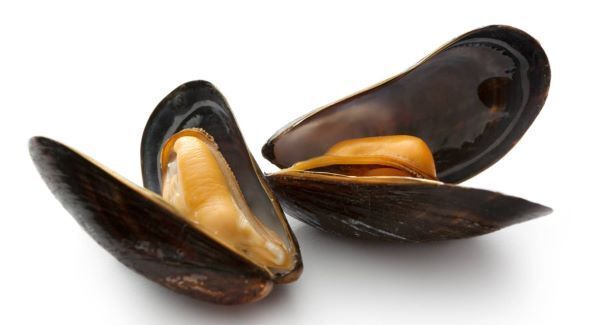
I was recently informed by my German friend Horst, a long-term Irish-resident, that he’d noticed something very strange in the way of a seeming antipathy between the mussels and oysters, writes .
So amazed was he that he asked me to come to Co Kerry and see with my own eyes.
He regularly picked mussels on a sheltered stretch of Kerry foreshore littered with large stones and seaweed-covered rocks between the high and low water marks.
Four or five years ago, some entrepreneurs set up trestles supporting mesh bags full of oysters at the lowest reach of the intertidal zone. There weren’t many trestles; perhaps they were there to test the local water, the currents and nutrition in it.
Beautiful @dooncastle_oysters !!! #irishfood #passion #shellfish #oysters #produce #local #ireland #food #nature #sharingiscaring pic.twitter.com/v42BP3TeQU
— Crowley Killian (@KillianC92) September 22, 2018
All went well for some years. Then, something went wrong with the mini-oyster farm, and the trestles were abandoned. In time, they collapsed and the plastic bags broke open, releasing the oysters.
Meanwhile, Horst’s occasional mussel harvesting continued with no perceptible change in the number of mussels available. However, then came a day when, of a sudden, he could find not a single mussel on the shore.
It like a plantation, the plantation of the oysters, with the native mussels ejected where they had thrived in clusters. Horst couldn’t believe his eyes. Oysters were clinging to not only to the seaweedy bedrocks, but also
to stones no bigger than a fat-bellied teapot. Some had smaller stones embedded in their shells that, clearly, had grown around them.

However, how could this happen? Oysters moved only as tiny free-swimming larvae and upon finding a suitable surface settled down and stayed put for life. It wasn’t as if they could have hunted down and chased the mussels away. So amazed was he that he asked me to come to Kerry and witness the mussel-denuded tracts colonised by escapee oysters and, in contrast, mussel-rich shores with no oyster presence and where there had never been oyster trestles. He charged me with finding an answer. I went to the internet, and learned a lot about oyster that I never knew.
First, I came upon a report by scientists noting that on a tract of French shoreline when the stock of oysters increased from 37,821 to 46,343 tonnes in two years, the population of wild mussels dropped from 40,068 to 6,700 tonnes in the same period.
They postulated that this reduction was the result of competition for food: both molluscs feed on approximately the same phytoplankton.
One of the most serious potential impacts of filter-feeder cultivation is the loss of energy in the entire local ecosystem as a result of the phytoplankton taken from it. An oyster filters 250 litres of water a day, very much more than a mussel.
Oysters were once a common food of coastal dwellers in Europe but overfishing in the 1800s resulted in them becoming a little-known luxury.
Despite this, Ireland is now one of the few European countries where there are still wild, self-sustaining native oyster beds.

First cultivated here about 100 years ago, only in the last 30 years has the cultivation of oysters, largely initiated in Co Galway, become successful.
Two types are now cultivated, the native European ‘flat’ oyster ‘Ostrea edulis’ and ‘Crassostrea gigas’ newly named the Irish rock oyster, actually a Japanese species introduced in the late 1970s and now the main type
cultivated here and, indeed, worldwide. Irish rock oysters can be eaten year round. They take three years to grow but have higher meat content than the native, which takes four years to reach full size. Natives undergo a sex change annually, or even twice within the same year.
Not only do oysters have exceptional nutritional value but they are rich in protein and low in fat, and contain high levels of the five essential minerals — iodine, iron, selenium, copper and zinc. Six oysters provide the required daily intake of these minerals for an adult
Irish rock oysters and the natives taste differently. Like wines and grapes, they have a distinctive flavour depending on where they have been grown. Oyster gourmands call this unique flavour the meroir. The season of harvesting and the quality of the plankton in the sea influence the saltiness and sweetness. Best eaten raw, they can apparently be grilled, poached, or even deep fried.
Advertisements say oysters are expensive only when eaten in a restaurant. These days they can be bought mail order, via the internet, at €10 a dozen, delivered fresh to your door. You have to crack them open yourself. Suppliers say that all it takes is a suitable oyster knife, a thick kitchen cloth for protection, and a bit of practice.