Donal Hickey: Pearl mussel needs help
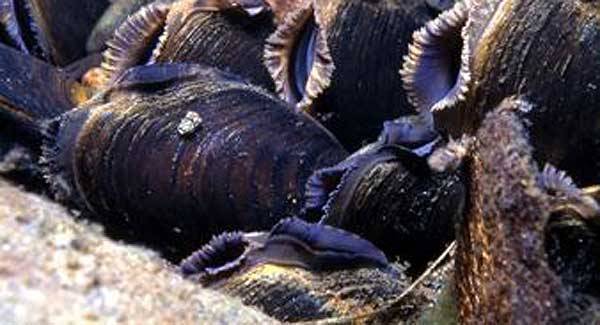
FARMERS are to be paid for helping to provide clean river water to save the extinction-threatened freshwater pearl mussel.
The Munster Blackwater was once reputed to have 30,000 such mussels. Due to pollution, the population has declined dramatically. And the species has disappeared from many rivers.
So-called because of a pearl which some of the mussels possess, it is Ireland’s longest-living animal, with lifespans of over 120 years, and it can remain in the same place, without moving, for life.
Wetland Surveys Ireland, a Kerry-based environmental consultancy, together with a team of expert advisors, has been appointed to administer the €10m Pearl Mussel Project, which will be open to farmers across eight priority catchments in counties Cork, Kerry, Galway, Mayo, and Donegal.
These catchments support the largest-remaining populations of the protected mussel in Ireland.
Some scientists believe the worst-hit rivers have not had young mussels in 50 years or more.
The presence of the species is an indicator of a clean river. Intensive farming practices over the last 40 years are among the causes of a major decline in water quality and project manager, Dr Patrick Crushell, said farmers would be rewarded for working to provide a better environment for the mussel.
Pearl mussels are likened to snails, and they grow at snail’s pace. Resting on the river bed, they feed by filtering food particles from the water, with each adult mussel filtering up to 50 litres of water an hour.
They play a key role in maintaining water quality and boosting the health of a river.
Pearl fishing is now banned in most countries, because of the precarious state of the species. At one time, thousands of mussels could be killed in the hunt for just one pearl.
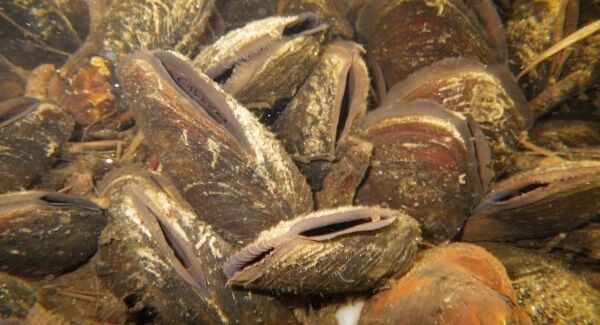
The mussel, which is classified as endangered on the International Union for Conservation of Nature (IUCN) red list, is protected here under European and Irish law and its biggest risk today is the continuing degradation of rivers by people.
Pollution, water abstraction, bank erosion, discharges of human and animal waste, siltation and non-native species all militate against the survival of the mussel.
Young mussels need clean water to penetrate the sand or gravel of the river bed to survive: a layer of silt or algae that stops the flow of oxygen will kill them.
Funded by the Department of Agriculture, Food and the Marine, the new scheme is currently being designed by the project team, with input from farmers, advisors, and researchers. Consultation meetings will be held later this year with farmers in each area.

CONNECT WITH US TODAY



Be the first to know the latest news and updates