Fruit skins can prove a-peeling for a variety of garden reasons
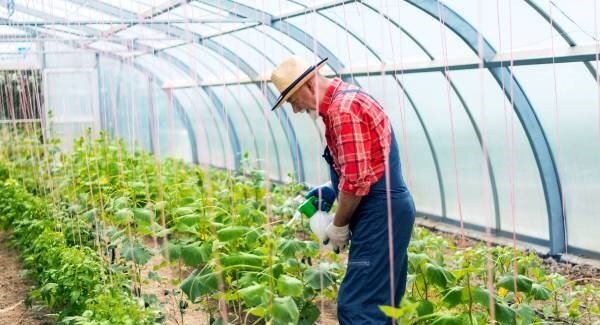
reports on how discarded peel can be used as a spray to make your plants stronger.
THE leathery-textured exocarp of an orange is the part we peel away to get to the juicy fruit inside. Normally this peel is binned or composted, but it is rich in oil glands and full of flavonoids, antioxidants and beneficial enzymes.
So much so, that orange peels are employed in Traditional Chinese Medicine and many other medical systems for their immune boosting and healing properties.
Citrus peels are packed with polymethoxylated flavones, that help to lower cholesterol, hesperidin, which quells inflammation and their pectin acts as a prebiotic to encourage the growth of beneficial bacteria in the intestines.
If your fruit is organic and washed, then there are two great ways to include citrus peel into your diet; one is to get zesty and grate some into your dishes and the other is make a refreshing tea. Fresh peels can be decocted by simmering for 7-10 minutes at a ratio of 1-2 tspn of peel to each cup required.
Remove the white pulp layer as this is intensely bitter when brewed. Dried peel (which many health stores and Asian markets stock), can be decocted for the same duration, but best at a single teaspoon per cup. Peel teas can be anywhere from sour to deeply bitter and are best sweetened to taste. Citrus peel may also be utilised to flavour a cup of green or black tea.
OK, I said “composted” earlier and I know for many years we were told that citrus peels were no good in a heap; very slow to breakdown, turn mouldy, worms don’t eat them and many bacteria are killed off by their volatile oils. So, instead get a scissors and cut them up finely and they will break down well.
They may kill some bacteria, but they add nutrients and can increase acidity if you add enough and you grow ericaceous plants. The citrus scent is also deterrent to ants, mice, rats, cats, dogs and other compost invaders. Anything going mouldy means your heap isn’t heating up enough and many fruits and veg scraps will also go mouldy in that situation too.
As a gardener, and as a human being, I try to be ever vigilant in reducing my waste and lowering my impact upon the planet. And so I’d rather resort to some natural plant chemistry to treat my plant and garden problems than buy products from a twenty-chimney plant, pumping out the fertilisers and feeds and so loaded with chemicals it’s a wonder they don’t melt the plastic containers.
So to avoid the cancer potential, pollution and plastic, I make my own and one of my favourites is orange peel spray, a great insecticide and pest deterrent.
Orange peels are rich in d-limonene — a nerve toxin to most insects and many other pests. The scent alone deters many from daring to land in your garden or crawl up that stem. It is toxic to ants, aphids, fleas, mites, and many varieties of fly. There are a couple of ways to make; you can boil up your leftover peels for 10mins in a lidded pot and leave overnight before straining the solids (processed now for a faster breakdown in the compost heap), and decanting the solution to a sprayer bottle.
Or you can grate all the zest of the orange before you eat it and bring that to a boil. The zesty one is often stronger in orange aroma as the white pulp lends bitter notes. Some people are sensitive to the oils in orange peels so wear gloves when making and when applying in the garden.
D-limonene is in the rinds of other citrus fruits too, so you can do a lemon and lime version, which is great for polytunnel flies and houseflies and as the aroma lingers, it makes the environment more pleasant too.
Caveat: Your cats may vacate and dogs may sneeze and citrus aromas can be uplifting to humans, so to your own circumstances be aware.
Citrus spray is an effective treatment, perhaps not as potent as the factory churned toxic arsenal, but it will decrease your pests by large quantities and the real bonus is that you are not sending the peels to landfill or coming home with a new plastic bottle every few weeks.
Citrus is not the only valuable peel that you may be wasting — the major flavonoids in apple peels are quercetin and catechin, both of which are potent antioxidants to the human system but are secondary metabolites to the plant — - involved in stress-protecting mechanisms like heat stress, mineral absorption during drought and even as a deterrent to egg-laying in pest insects.
You can pulp up a handful of apple peels in a blender with a litre of water, allow to sit overnight, strain through a strainer into a sprayer bottle and compost the solids. To the apple water add a tablespoon of Epsom salts (magnesium) and use on any plants prone to wilt in the summer heat or starting to go choleretic.
Ever since I was a kid I have heard of banana skins as the secret to great roses — and yes they do break down into microdoses of potassium, phosphorus and nitrogen as well as trace elements that improve root growth and bud development.
So raw peels in the heap or chopped up to top dress as natural fertiliser pellets are great. But a compost tea or a blender blitz with water to become a soil drench is perfect now as we head into hot days; the main component of the peel, potassium is essential to heat-stressed plants as they utilise it to regulate the opening and closing of stomata and thus to photosynthesis and transpire and trigger water uptake from the roots.
Cucumber peels have a decent supply of silica which is also a mediator of processes involved in protecting plants from biotic stresses.
Silica, absorbed by a plant, forms a protective coating at an intracellular level which helps it maintain its turgor pressure (the ability to remain upright) during drought and heat stress and this coating also lowers water loss through transpiration after transplantation or potting on.
I often use horsetail tea (silica-rich) to remedy drought stress and transplantation shock, but when I have cucumber skins left over, I also like to make a plant tonic via the blender method. It can be a soil drench or be strained into a foliar feed. Non-organic cucumbers are often coated with wax to extend a shiny shelf life so might need a dip in hot water to remove.
Fiann’s tips for the weekend
- Even with potent pest sprays, you can’t beat a net over vulnerable crops. If they can’t get on — they can’t munch or lay.
- Spray when a plant is out of direct sunlight – you don’t want to scorch foliage, but also you want the foliage and stems to absorb the fragrance of the garlic or orange to confuse any pests that do get to land. Full sun and the molecules just evaporate.
- Remember to water the compost heap from time to time, just a can every now and then to keep it moist enough for bacterial action, too dry is as bad as too wet.
- Summer hols are soon, so start to think of mulches and soil amendments and bribes to family or friends to make sure the garden has an eye and a turn of the hose when you are away. That said a drip irrigation system with a timer is one of the best garden investments you can make.
- Early potatoes will be coming up this month and other roots for a lift can include beetroot and turnips.
- Keep successional sowing and do visit the garden centre for some modular veg if you’re only getting around to things now.
CONNECT WITH US TODAY



Be the first to know the latest news and updates