New guide to our shoreline
MANY of us being attracted to beaches and the shoreline during the bank holiday weekend — probably for the first time this year — will again experience some of the childhood magic of that first glance of the ocean on summer daytrips.
At any time of year, there’s always something interesting to see. Creatures living on the shore, often under sand or stones; for beachcombers, the chance waste washed in by the waves might hide some treasures.
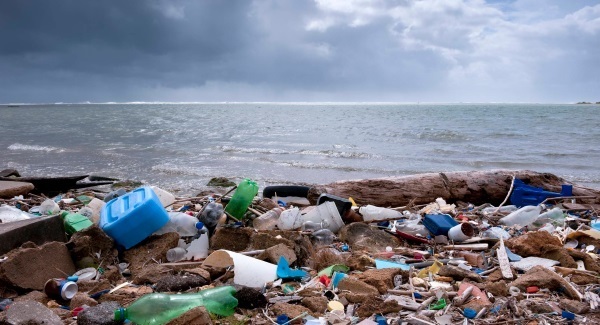
At this stage, there’s scarcely a beach or tiny cove along our 7,500km of coastline which, sadly, doesn’t have marine litter of some kind, generally plastic. Moves at EU level to ban single-use items such as cotton bud stocks and disposable cutlery are welcome, if overdue.
You might also see some of many unfamiliar fish species which have been moving towards Ireland as our waters get warmer due to climate change. Kevin Flannery, of Dingle Oceanworld, is an expert in the “quare fish” field and has, in last few decades, identified up to 20 species new to Irish waters.
The holder of an honorary degree from UCC for his efforts, he is usually the first port of call when people come across fish they have never seen before — like the deepwater jellyfish that took four years to identify, and an Atlantic football fish washed up in Waterville, Co Kerry.
However, the authors of a new guide, Ireland’s Seashore: A Field Guide, focus on what could be described as native plant and animal species which have adapted to life on our shores. They feature a wide variety of seaweeds, snails, and other marine life.
Co-authors Lucy Taylor and Emma Nickelsen are marine biologists and they stress the importance of caring for our coasts and dune areas which have seen much erosion. Dunes are important for plants and animals and protect solid land from the sea, they stress.
They urge people not to crush delicate animals and not to take animals home.
There’s growing interest in the seashore, and the pocket guide, richly illustrated with photographs, is most useful in helping identify all types of life there.
More people are also caring about the seashore nowadays as evidenced by the success of the Clean Coasts programme operated by An Taisce, which engages volunteers in cleaning up hundreds of beaches.
Then you have the formation of organisations like the East Cork Biodiversity Group, which is involved in environmental projects, tidy towns and beach cleaning. Proinsias Ó Tuama, a teacher in St Colman’s Community College, Midleton, and a Clean Coasts activist, says they plan to share resources and work together into the future.
CONNECT WITH US TODAY



Be the first to know the latest news and updates