Richard Collins: Goats aren’t kidding around in Clare
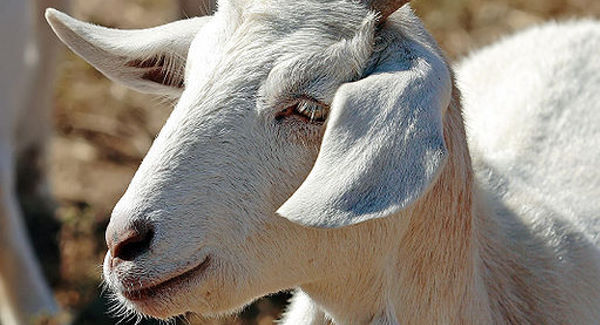
Goats, it seems, are climbing onto cars in County Clare. Two young ones were said to have been electrocuted when they invaded an ESB installation. Councillors are calling for action but they don’t want the animals to be culled. Castration has been suggested.

Richard Collins: Goats aren’t kidding around in Clare

Goats, it seems, are climbing onto cars in County Clare. Two young ones were said to have been electrocuted when they invaded an ESB installation. Councillors are calling for action but they don’t want the animals to be culled. Castration has been suggested.

The reports bring to mind the Souss region of Morocco. Wandering through the dusty hot countryside there, you come upon a bizarre sight; goats browsing high up in trees. There can be 10 or more animals on a single tree, some of them in the topmost branches. Far from objecting to the behaviour, the local farmers welcome it.

The argania tree, found almost exclusively in Morocco, is a protected species. Thorny and gnarled with a rough bark, this distant relative of the olive grows to a height of 10m, producing a juicy fruit. Farmers keep the goats away from the tree until the fruit ripens. Then they allow the animals to climb up and pick it. Only the outer fleshy part of the fruit is eaten; the hard nut is discarded or passed in the goats’ droppings. The farmers collect the kernels and crush them to produce the famous ‘argan’ oil, an ingredient of delicious Moroccan cuisine. The goats’ dung serves as fertiliser. There are no juicy fruits to be had on car roofs, so what are the Clare goats up to? Is the behaviour an ancient genetic inheritance, or are they just using vehicle roofs to reach overhanging branches? Nor is vandalising cars their only alleged offence; goats are invading gardens and devouring cherished plants. Herds, wandering the roads, are a traffic hazard.

At a recent meeting, a councillor claimed that the goats were ‘procreating like there is no tomorrow’. Really? Large hoofed animals don’t ‘breed like rabbits’; they are slow reproducers. A ‘nanny’ may breed when she’s a year old, producing one or two ‘kids’. She tends to do so early in the season, a throwback to her ancestral roots in warmer climates where spring comes earlier than here.

Our upland areas suit these ‘hard’ grazers, which thrive on brambles heather and highly-nutritious gorse. We have a somewhat ambivalent attitude towards goats, regarding them as alien outlaws rather than ‘legitimate’ wild creatures. Bones found in archaeological digs suggest that they were first introduced as livestock during the Bronze Age, three to four thousand years ago. Goats of different foreign breeds were imported over the centuries, which is why Irish ones are variable in size and colour. Like domestic pigeons and house cats, these opportunists take readily to living independently in the wild.

But their origins as an alien species can hardly be held against them; the ancestors of most Irish mammals, and almost all of our so-called ‘coarse’ fish, were introduced either deliberately or accidentally. Even the iconic red deer may not be a truly native species.

Perhaps their huge variation in hair colour undermines the goats’ claim to respectability. If they all wore the standard grey-brown uniform of the earliest introduced ones, we might be less inclined to dismiss them as riff-raff. To reject the goats’ claim to wildlife citizenship, because they infringe the old dress-code, smacks of snobbery and animal racism.

These relatives of cattle and sheep are among the world’s most successful mammals. Able to survive in places where even sheep can’t, they provide milk meat skins and hair for shaving-brushes, in countries all over the world. The next time you hear the drumming of a bodhrán, the goat’s unique contribution to Irish culture, spare a thought for these outcasts.

x

More in this section

Revoiced

Newsletter

Sign up to the best reads of the week from irishexaminer.com selected just for you.

Cookie Policy Privacy Policy Brand Safety FAQ Help Contact Us Terms and Conditions

© Examiner Echo Group Limited