To feed or not to feed... on the forage and away with the birds
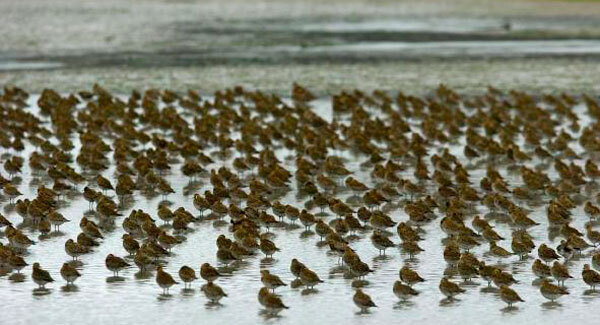
The garden in winter does see some feathered visitor traffic — on the forage for the last of the berries and seed heads which supply amino acids and protein as well as carbs (more on that to come).
They will forage for scraps that you have laid out but that’s not always the healthiest — ok you don’t have to put them on a Roz Purcell diet but certainly the traditional crusts of bread is not ideal — that’s just a nutritionally empty filler.
Before I look at what’s good to feed them. Let’s look at the why, how, and when of feeding them.
Well, with why — we think it’s a nice thing to do, or we are concerned for their wellbeing. But is it the right thing to do? Just like humans, birds will opt for the convenience and you will see them scavenge outside a fast food joint as much as in the local park and depend more and more on your feeder than what’s about in the near environment.
So there is the argument not to feed birds at all —to keep them focused on their foraging of insects and plant parts. I get that — but winter can be harsh and some supplementation is ok in my book.
With the how —The thing is, human nature being what it is — inconsistent — if you are going to do something do it right. Just as puppies are not just for Christmas and homelessness needs consideration in every month, any sporadic dip of the toe in the pool of guilt or duty is unsatisfactory.
For our feathered friends, if you are going to lay the table then continue to lay it until mid-spring when they can fully scavenge for themselves again and break any dependence they have on your imperfect dedication to their bellies.
So the ‘when’ is all through winter not just when you are clearing out the bread basket or taking the family/grandkids on the annual pilgrimage to the frozen duck pond.
At this time of the year it is not so much their bellies as their loins that have them active — and that reinvigorated dawn chorus of late is not them chirping with hunger, but with lust (well kind of).
I once had a teacher who called me a bird-brain because I liked to look out the window more that look at the illegible blackboard, but bird brains are not so vacant as he would have had me believe.
And while the light at this end of the year does tilt me a little to sadness, I know the birds also have light-sensitive brains and that since a few weeks before Christmas, those bird brains began to detect the subtly increasing daylight/day length.
And while my serotonin levels dip, their sex hormones begin to rise and mount in preparation for the near arrival of the breeding season —that cheers me up no end every year. Hearing the dawn chorus again is a landmark in my own seasonal journey and it helps me navigate my own perceptual reconfiguring.
I feed my local birds with gratitude and consistency. Those birds have their own winter dilemma —that day night balance is precarious. The majority of birds will forage in good light and shelter in the dim and dark. In January the day is still a hell of a lot shorter than the night is long. So
birds must work hard by day to find enough food to lay down sufficient fat reserves to keep them full, warm and healthy in the long cold nights.
The smaller birds even more so. And this is why bread and biscuit crumbs is not quite the best option. Dry bread is particularly bad as it swells up in the stomach and fills without filling. Other detrimental food items for the same reason (and choking hazards) include uncooked rice and desiccated foods such as coconut.
Instead think of seeds and nuts — think bird food, not scraps of human food. Garden centers and DIY chains will stock plenty of options to get high quality and high energy bird food into your garden —fat/suet balls and nut cakes are ideal.
I grow sunflowers so I can hook out some saved heads at this time of year. Quartered or halved apples skewered on to the odd branch works a treat too.
Those galvanised wire bird feeders are great to fill with seed and nut mixes and fingers crossed, are stray cat, squirrel and fox-proof.
If you are serious about feeding the birds, then make a plan or note to self that come spring, you will plant some natural food. A wild seed mix or late seeding perennials will give great fayre in autumn and early winter and many seeding trees will fill the gap over that period too — betulas and also conifers.
Get some berries in — think native rowan, hawthorn and crab apple, but there’s also no harm in going ornamental too, with the red cotoneasters and red pyracanthas (I find the yellowish ones are less than desirable for birds).
Female hollies are brilliant, ivy is great with late fruits and tons of cover. With this action you are not just planting sustenance, but perching and nesting opportunities. You will thus enjoy more of the local bird life and they will reward all year round.
Don’t forget fresh supply water is important to keep birds alive too. I have an over flow half barrel added to my rain harvesting barrel with a bobbing tennis ball in it to stop a total freeze over, but a plant saucer and a ping pong ball is as good.
Some of the commercially available drinking founts can freeze hard — a ball will do the same trick or try lining with plastic to help lift out any frozen lump — reline and refill as required.
And come the warmer weather, grubs and the onset of pest insects, those birds will do you a favour back.
Okay — until next week follow the tips — meantime I’m off to settle my Roz Purcell defamation suit.
CONNECT WITH US TODAY



Be the first to know the latest news and updates