Vintage view: The Book of the Home
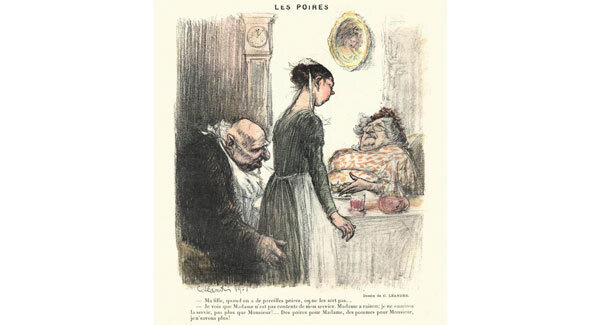
MY NAME is Kya, and I have a disgraceful domestic condition rooted in the collapse of class structures in the 1920s.
Stirring happily through The Book of The Home (c1925, Gresham Publishing Co) — written by a man to make it even more absurd — Davide C Minter, and introduced by old poor Lady Jekyll DBE, I was rudely slapped across the puss with a satin evening glove.
Lurking between rose-scented chapters detailing genteel distractions for a lay-dee in the ’20s, ‘Fancy Fold for Table Napkins’ and ‘Organising Bazaars’, was a personal position termed with barely disguised pity — ‘The Maidless Home’.
Davide and Lady Jekyll, even fluffed up a new word for this state of being, and my spell correction stuttered over it — maidless. Sans femme de ménage. No maid present.
Suddenly, I felt I too was part of some subsect of polite society, set apart from the blue-blooded families with their ancestors safely bound in The Plantagenet Rolls of the Blood Royal or DeBrett’s Peerage at the very least. Davide, Lady Jekyll — I have a few honourables in my bottom drawer, a stuck up pseudo-French surname. Please — let me in!
Still, Minter, keenly aware of the nervous conditions of women such as myself, who have nothing else to do but perfect the correct styling of calling cards and consider a suitable gratuity for the foreman at a shooting party, handles this shock with delicacy.
He makes maidless-ness into a choice. Phew. After all, the book is dedicated to ‘the young girl of today, brought up on a tennis court, or in an office’. He could have been talking about all my friends — uncanny.
‘The woman who wants to dispense with domestic labour’ (yeah right) ‘can equip, furnish and run her home with this end in view’ Minter croons softly with breath spiced with Cuban tobacco and lightly stuffed quail.
Lovely girls with lovely breeding, struggling alone, are advised to choose coloured woodwork over white, install large dust swallowing rugs over bare boards, electric or gas fires over grates and to introduce oxidised metal fittings over anything that needs polishing.
He really feels for us poor beleaguered heroines.
‘The reading of novels and newspapers should be left until after lunch’ Davide chastises like a kind old uncle, before going on to instruct ladies to wear chamois leather gloves for any cleaning. Crumbs, he might have to kiss that hand out on the tennis court.
Above all, and readers of my DIY columns will know, this is a guiding principle here at the Irish Examiner — one must never lose those deft, essential little refinements that make one a lady.
Turning back to the fuller pages of The Book of the Home on the choosing and treatment of servants, we are reminded of the mind-paralysing drudgery men and women tolerated for the ‘honour’ of cleaning up after a great family.
Older televisions series like Upstairs Downstairs (ITV 1970s), made much of the cheery family below stairs, the mutual respect afforded servants and masters, that organic social tree of trickle-down patronage accepted by all before the outbreak of the first world ward.
For a house with one live-in servant, even in 1925, there was a grey, repetitious world of cooking, grates, white woodwork snagging filth, and acres of polishing day-long.
Toiling alone, there was none of the 165 Eaton Place-style socialising behind the baize green door that Jean Marsh and other writers sentimentalise about.
No wonder the factories called most of these lonely creatures away from this ancient indenture of cook-general in a small household in the 30s and 40s.
Davide C Minter’s soon to be obliterated snobbery is on full show in these chapters of his hefty household primer.
The trajectory of any ‘girl’ lucky enough to be employed by a lady, is at best to climb the ladder of service to the stellar heights of housekeeper, or glory be, ‘to invest in a successful little boarding house or tea-shop’.
A little boarding house mind you, nothing too ambitious. ‘They are human beings,’ he explains as if we needed clarifying on the point, ‘they may have grief or troubles which may account for that gloomy look that Emily has this morning’.
There’s a condescending gloss put on matters of trust, temperament, holidays, and recreation of the motherly to the daughterly, but it still makes painful reading at 90 years’ distance.
Still, did being an upper or a wealthy middle-class woman riding around town in a chauffeur-driven Bentley, spell hysterical happiness and freedom?
Another book from my dusty shelves (shocking — no maid) The Woman’s Book- Everything A Woman Ought to Know (Florence B Jack, 1911), reveals the pressure of expected behaviour placed on the mistress of the house in a prison of unassailable societal rules.
‘It is a woman’s duty to make the life of the home as happy and gay as possible, and however depressed she may sometimes feel, she ought to struggle against the feeling and not damp (en) the spirits of those around her.’
Fighting even mental illness, a wife had to be especially careful in the taking on of servants, not shooting too high or too low to widen those judging eyes searing into her.
‘It is never a wise plan to take on a servant who has been employed out of one’s own rank in life — a servant who has been employed as a lodging house keeper (owned by some social climbing ex-maid probably), by small tradespeople, or even in a hotel, is not suitable for private service with gentlefolk’.
This is a fascinating book detailing the meticulous duties of tweenie maids, cooks, and housekeepers and includes eerie pronouncements on rations and the diet. Supper for example never includes meat ‘unless there are male servants’.
On balance, I’m proud of my 21st century scruffy maidless home where moaning is given full throat and we share out the meat.
The Woman’s Book (1911): Enjoy the full text at: www.archive.org/stream/womansbook00jack/womansbook
CONNECT WITH US TODAY



Be the first to know the latest news and updates