Watch out for pests and diseases on your plants
I love visiting gardens, which is a good thing as it’s my job.
Normally when I’m visiting it’s all good news, I get to admire plants and advise on new planting; when taking on the design or redesign of a garden it’s always a happy time as we look forward to the creation of something new.
However, part of my job is to inform people if I see something in their garden which may be a problem or troublesome.
I’m always on the lookout for invasive weeds, plants which may take over or get too big, and pest and disease problems.
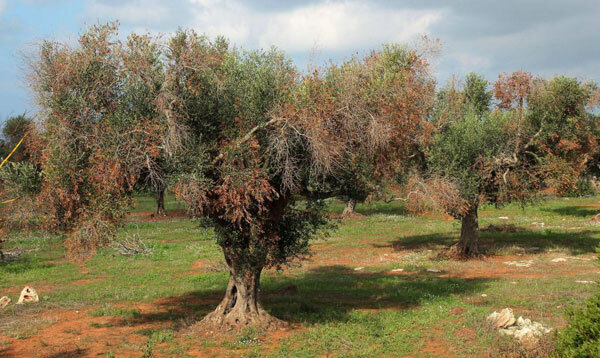
Unfortunately, over the last number of months I have being seeing an increased incidence of dieback and leaf discolouration on certain plants.
Now on many species these symptoms are nothing to worry about, but with several like Rhododendron, photinia, and viburnum to name a few, this can be a sign of Phytophthora ramorum.
Every so often a new disease enters the country and can wipe out entire genera.
One of the most well-known in the last 50 years was Dutch elm disease; in more recent times, Ash dieback disease has been seen, but thankfully never took hold as seriously as it could have.
The trade in ash trees was stopped and this, along with research into the disease, stopped the spread of it.
Box blight landed on our shores at the start of this century and has done a substantial amount of damage to new and established box plantings of hedges and shaped buxus throughout Ireland and the UK.
A new threat is looming, however, and it is potentially the most serious yet.
Xylella fastidiosa has been widespread in the US for many years.
It is one of the most dangerous plant bacteria worldwide and is responsible for a number of diseases affecting valuable crops and ornamental plantings.
So far it has not been detected in Ireland, but fear is creeping in.
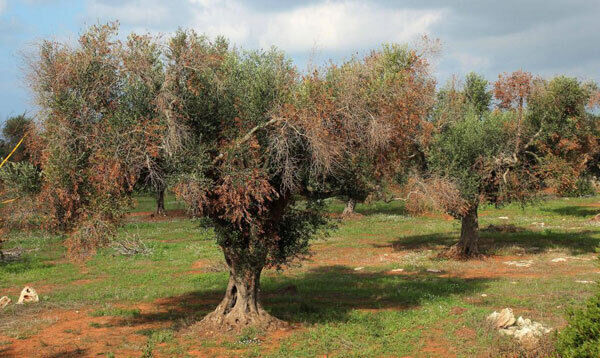
The first reported outbreak of the disease in Europe occurred in October 2013 in an olive planting in the region of Apulia in Italy.
After further testing and inspections, the rest of Italy is still considered to be free of infection.
In July 2015, French authorities confirmed an outbreak in Corsica.
Italy and Corsica are not far from us here in Ireland and, with free trade and travel, infections and diseases can spread freely, ignoring international treaties and borders.
Plants that are known to be hosts of Phytophthora and Xylella can only be grown on authorised sites and nurseries.
When potential host plants are imported commercially by garden centres and garden designers, they have to come from authorised nurseries that can provide traceability in the form of a plant passport number.
In other words, if an infected plant turns up in a garden in west Kerry then it can be traced back through the garden centre where it was purchased, to the importer and back along the chain to the nursery where it was originally grown in the EU.
Authorised nurseries are subject to regular inspections, with plants grown under protected conditions and sampled and tested before dispatch.
When they are exported, all traceability requirements need to be met. Even with this high level of control, disease still spreads. But without the controls, it would be far worse.
Many of us like to bring home plants and cuttings from holidays when abroad — please be aware that any potential host plants should be accompanied by phytosanitary certificates. Look for a plant passport number on the label.
This may all sound like much ado about nothing until you learn there are 179 species at risk if Xylella does gain a foothold, with many more added to the list at risk of Phytophthora.
As of now, according to plant health experts in the European Food Safety Authority, there is no known cure. Many of the host species are valuable commercial food crops, including grapes, peach, plum, cherries, and blueberries.
Oak, liquidambar, plane trees, and some maples are all at risk and so now the importance of keeping Ireland disease-free becomes clearer.
If a plant is showing signs of dieback or leaf damage, the cause could be an environmental factor such as wind damage or perhaps weed-killer drifting.
However, if you begin to notice unexplained and more random dieback, then it may be time to pay attention.
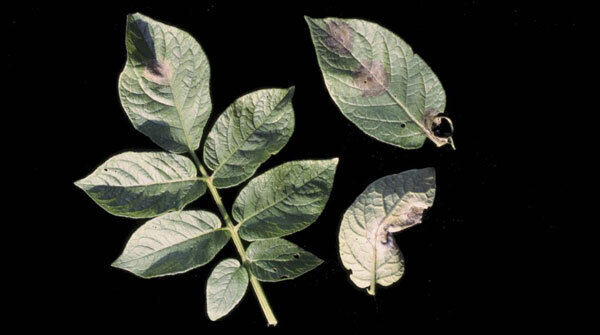
On shrubs such as pieris, rhododendron, camellias, photinia, and viburnum, the symptoms can be quite noticeable; blackening of leaves, wilting of new shoots, and dieback can also occur.
I have yet to actually see Xylella symptoms in the flesh, but they are similar to those described for Phytophthora.
I don’t wish to alarm everybody who has a plant suffering from a pest or disease, but if you’re not sure, contact a professional to examine the plant.
They will determine whether further testing is necessary.
But please don’t ignore the symptoms.
CONNECT WITH US TODAY



Be the first to know the latest news and updates