A messy garden is not a bad thing, but do tidy up diseased foliage

That’s the natural way, it gives the worms and other beneficial little garden helpers something to munch on and creates valuable humus for the soil, an essential ingredient for healthy plants.
The leaves can also provide something of a duvet for plant roots, protecting them from the harshest of the frosts over the winter months.
Don’t feel the need to rake up all this debris as it really is the garden’s way of improving itself. I will have my floors inside the house spotless and clean, but the floor in the garden shouldn’t look pristine.
However, on the other hand, good hygiene is also an important tool in preventing the spread of disease and infection in the garden.
Roses for example,which may have suffered from blackspot, mildew, rust or any other fungal or bacterial infection, should have their fallen leaves removed as they start to shed this month to prepare for their winter slumber.
Leaving these leaves to break down into the soil will only make the problem worse allowing the spores into the soil which will simply spread any infection, so remove infected leaves, prunings and dead flowers and don’t be tempted to put them into the compost bin.
Dump them in the wheelie bin or off site.
Simple housekeeping like this is one of the best methods of preventing disease next year, though a spray of copper sulphate fungicide at bud burst next spring, may also be necessary to maintain good plant health.
The same rules apply for any fruit bushes and trees. If they have shown any signs of distress during the summer, then do clean up their debris.
Planning for the seasons ahead like this is part and parcel of gardening and while things may be slowing down during autumn, it’s a time to get a lot of the jobs done for next years performance.
Wallflowers, a traditional favourite of mine are biennials, which means that in their first year they will produce leaves and develop into strong little plants on a good root system conserving their energy during the winter for flower buds the following spring.
Wallflowers planted now will be in full bloom from next March onwards. Plant them somewhere sunny and well drained, think ‘wall’.
They are related to cabbages as they are a brassica, and thus are susceptible to problems like clubroot. However, this tends to be more of a problem with the perennial forms.
The main autumn task is the planting of spring-flowering bulbs. I love this time of the year and browsing through boxes and crates of fresh bulbs all ready for great blooms in a few months.
The smell of the bulbs and the sawdust packing brings me back to my childhood and even now, it fills me with excitement at the thought of the magic inside and what each bulb will produce in 2017.
The mistake I always make is to buy too many. Not too many in terms of colour nor space in the garden, because the more the better, in terms of display.
I encourage you to plant them good and tight, don’t leave too much space between the bulbs as otherwise the spring display can look half-hearted and mean.
No, it’s the lazy me that says that I get too many because bulb planting can be hard work and labour intensive.
I am a tulip fanatic, there is no other way to put it, they are among my favourite of all flowers, simple spring blooms in vivid colours.
There are so many flower types and colours available now, it’s getting more and more difficult to choose which ones make the cut and find their way into my garden.
A well-thought out mixture of spring bulbs planted from now (or even earlier), will give you a succession of colour in your garden from January onwards, starting with the snowdrops and crocus which will begin in January through February and March, while the daffodils and the tulips will bring you right through April, but then do not forget that most special and effective of all the bulbs, the allium.
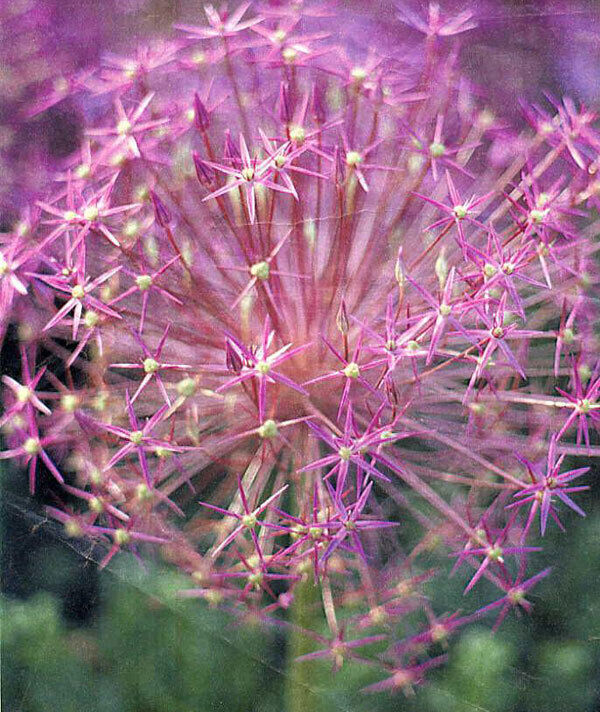
Ornamental onions as I was brought up to think of them, will produce tall stems of the most intricate blooms, each one made up of hundreds of individual flowerlets.
Nearly all are perfectly round and while they will flower in May and June, their seed heads look dramatic during the summer even when the colour is long since gone.
I only removed my last few spent stems a few weeks ago, only a very short time before it all starts again in preparation for next year.
CONNECT WITH US TODAY



Be the first to know the latest news and updates