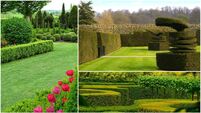
Kerry is the Kingdom for growing plants many others can only dream of
I FOUND myself the other evening in Kerry looking out at the sea lapping at the shoreline.
There’s something so relaxing about this on a calm evening.
I could look at it forever, no two days are the same when watching the water.
This evening it was calm and restful and on another evening you may not be able to hear yourself think, such can be the ferocity of the waves and wind.
It’s where two forces of nature come together, where water meets land and will often be unforgiving.
It has its own very definite attraction too on those wild days when the drama is at its best.
I wonder what is the magnetic attraction that draws us to the coast, is it because we are made up of mostly water?
Is it something deep within us connecting us to nature and the universe that draws us to this meeting point?
Coastal gardens offer the harshest of environments in which to grow plants and nature is unforgiving, only the toughest can survive in the most exposed gardens.
Much of it is trial and error as I have found over the years that a plant that may grow in one garden won’t tolerate the conditions in a neighbouring plot or maybe even another part of the same garden.
Being down in Kerry brought me back many years ago to 1989 when I went on my first organised group garden tour.
I travelled with my parents, and the International Camellia Society and I still vividly remember two of the gardens that we visited on that trip. Dereen was one and Rossdohan was another.
This time I went back to Dereen with the group that I was escorting and though it is truly a spring garden giving of its best during that season with Rhododendrons, Camellias, Pieris, Magnollias and Azaleas, it is lovely at any time of the year.
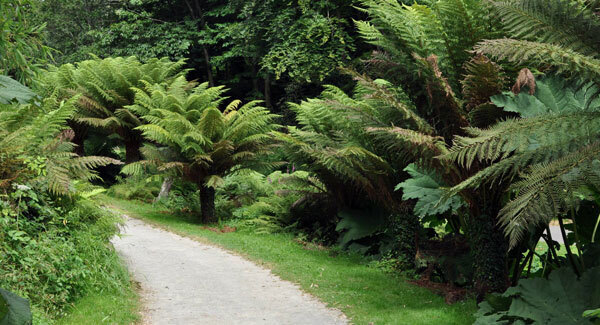
It’s an example of a triumph over nature in many ways as, though it is on the coast, this is one of the first gardens where Tree Ferns, Dicksonia antartica were planted and have since naturalised over 130 years ago.
Of course, the ferns couldn’t have established and survived, had not a shelter belt of trees been planted first.
Now as you wander through what is referred to as the King’s Oozy in Dereen, you can’t help but imagine yourself in lush rainforests, the structure and texture that these ferns bring is so majestic, and the forest floor beneath them has developed with them, becoming springy and light with the roots and decaying humus over the last hundred years.
Rossdohan changed hands since I last visited and unfortunately I believe it is now completely overgrown and inaccessible, an example of how nature will claim back with relative speed, that which isn’t tended and maintained.
Who knows, with a bit of luck this once truly inspirational place will once more become a garden worth experiencing.
We also visited two private gardens on this tour and these are the real joy, the real hidden treasure.
Dereen is open to visitors all year round and without question worth a visit, but its finding and enjoying the private hidden gems that lie behind hedgerows and up grassy lanes, that truly fascinates.
These are the gardens that aren’t open to the public except for groups and by appointment.
They tend not to be advertised, you hear about them through friends of friends and the garden club grapevine.
Opening up your private space to a group of strangers, albeit with a shared interest and in many cases passion, can be a daunting prospect and takes bravery.
The two we visited were certainly worth finding and were totally different examples of design and styles of gardening. One, nestled halfway up a hill in an ancient woodland near Kenmare, has been heavily planted with an eye to design.
You see, Charlotte who created the garden is an artist, she paints and makes jewellery and her artist’s eye is evident throughout this garden, not just in terms of where she has positioned her artworks and sculptures, but also in her use of planting.
The attention to detail is immense, every planted area offers something different depending on where you look. A very designed garden but not contrived.
Sympathetic to where it is, it blends seamlessly into the surrounding countryside, the line where garden ends and nature begins is blurry, as it should be in such a special place.
The other garden we visited was also very designed and a real plantsman’s garden which appeals to me no end as plants are my passion.
To see such a collection growing in such a well thought-out garden was a true pleasure.
This garden will be left as a legacy, as it will be in 30 years and more that the planting will be sensational.
The climate down here when you are sheltered from the sea, is a thing of envy to those visitors who travelled from more northerly climes.
The relatively high temperatures and rainfall amounts allow gardeners in this micro climate to grow plants that many others could only dream of growing elsewhere.
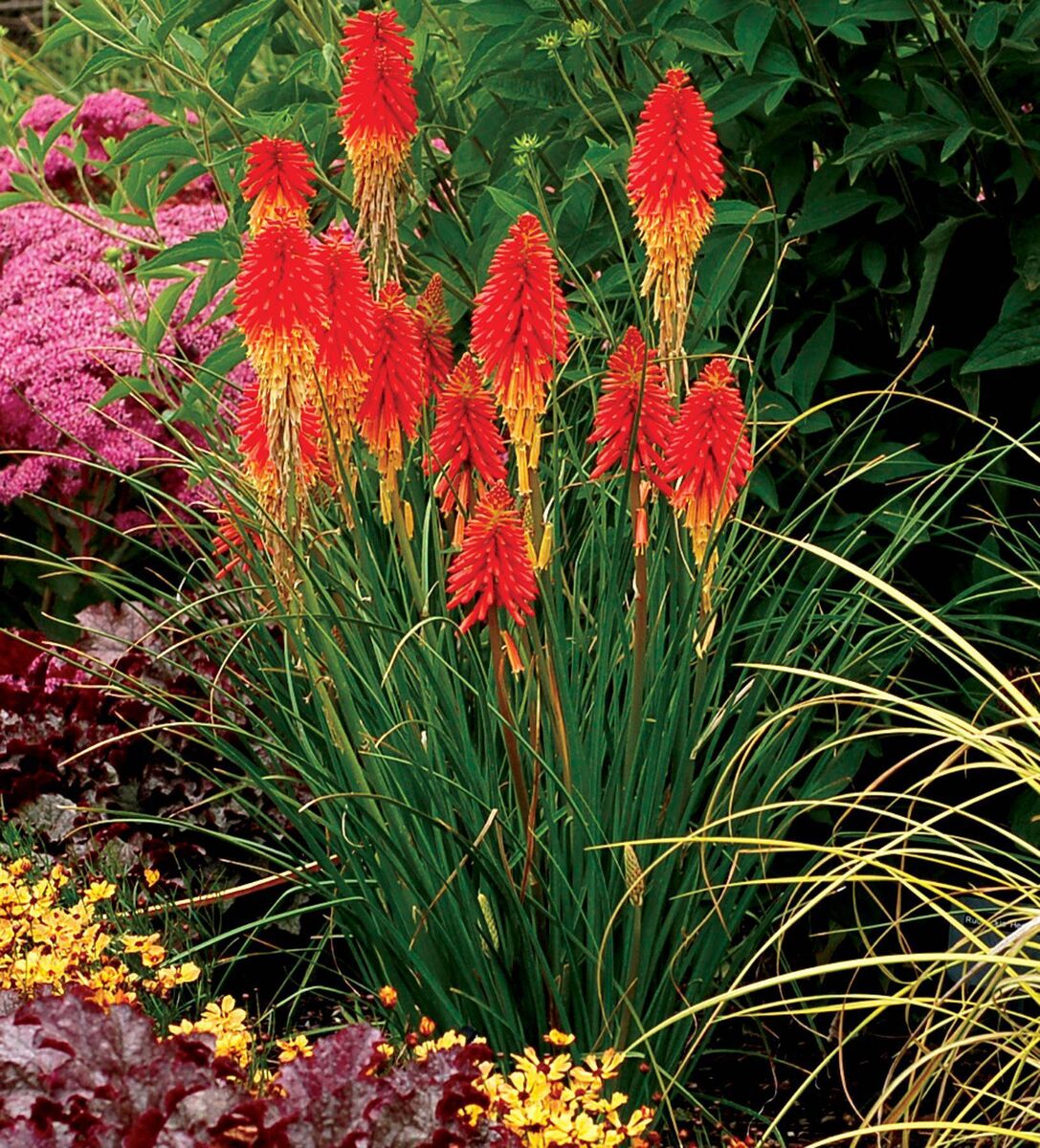
One plant that was in every garden I visited in Kerry recently was Kniphofia or Red Hot Poker.
Not a plant I have paid much attention to in the past, but used correctly it brings great colour at this time of the year.
Still in full flower whilst many of its neighbours have gone over and getting ready to go to sleep for the winter, a great way to bulk up on this plant is by division.
Lift during this autumn and the separate clumps will easily prize apart and you can replant them around the garden.
This job can be left to spring if you want to enjoy the latest of the blooms during October.


CONNECT WITH US TODAY



Be the first to know the latest news and updates