VIDEO: The garden at Mount Congreve is still breathtaking after all these years
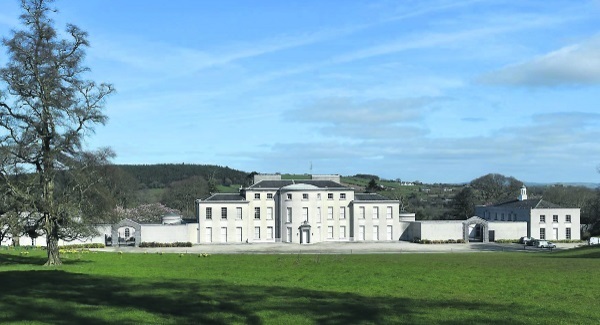
I know many words and I am sometimes good at putting the correct words in the right place to describe a garden or a plant, but either I cannot find the words or perhaps they don’t exist to accurately describe the gardens at Mount Congreve.
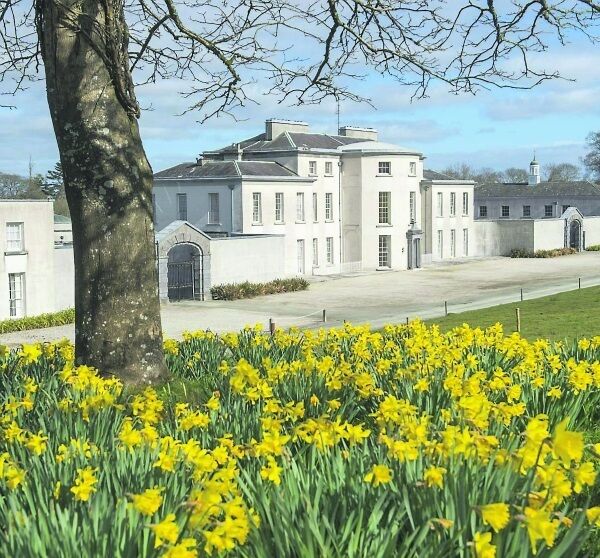
I can tell you about the walkways of magnolia, the banks of rhododendrons, the meticulously maintained walled garden, the huge rockery, the glorious herbaceous beds, the immaculately kept lawns. But none of this can convey to you the feeling, the atmosphere, and the intense feeling of being in one of the world’s special places — that is Mount Congreve.
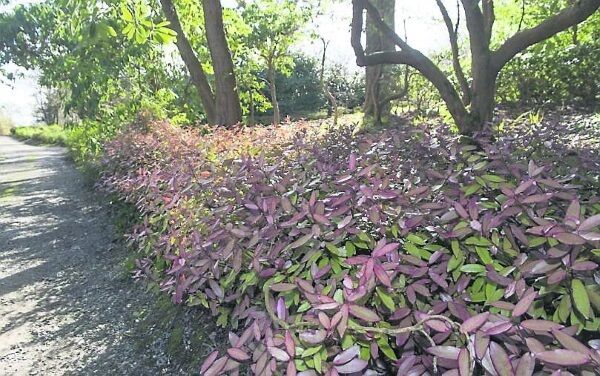
I first visited when I was about 10 with my mother and to this day I still remember that first trip, the feelingthat I had just seen something, and experienced a place that was a place in itself, hidden from the rest of the world, a refuge on the grandest of scales. It was in Mount Congreve that I began to understand planting schemes and designs and how to use plants as art.
You could see Ambrose Congreve’s influence throughout, if one rhododendron would do, then one hundred was nicer. He understood the scale of what he was working with. Where a normal sized garden might use five of one type of Rhododendron, here there may be 105.
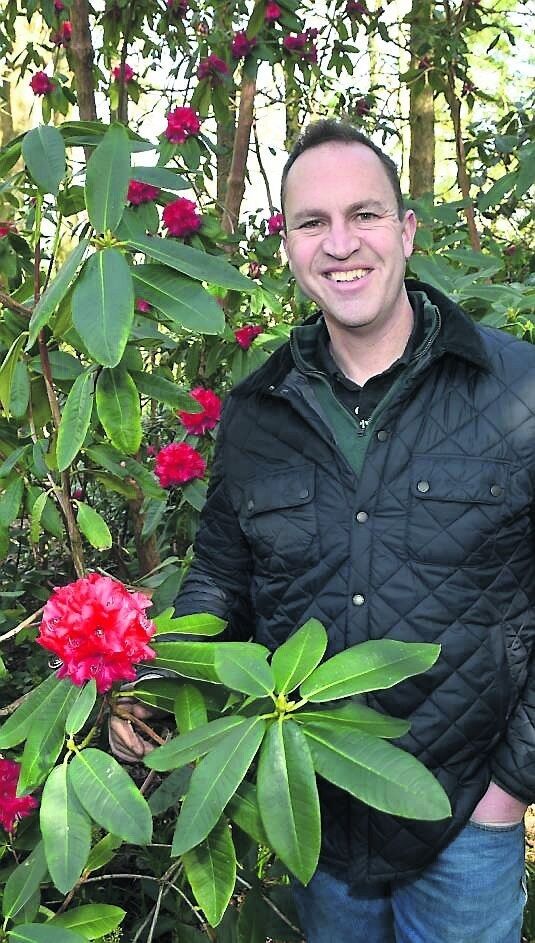
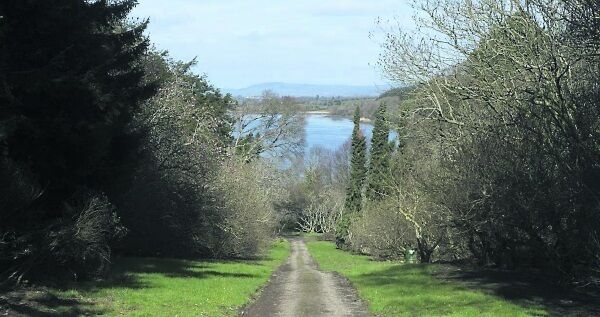
There aren’t too many places where you will see this type of garden, intensely planted and strongly designed. So much thought has been given to where plants were positioned and where paths should travel to — everything was considered — from the lie of the land to the surrounding countryside. One pathway which is flanked with Magnolia soulangeana seems to travel into the middle distance and into the River Suir beyond.
Since that first visit in the mid-eighties, I have returned many times, I had the privilege of meeting the late Ambrose Congreve several times before he died of a heart attack on his way to the RHS Chelsea Flower Show in 201,1 aged 104.
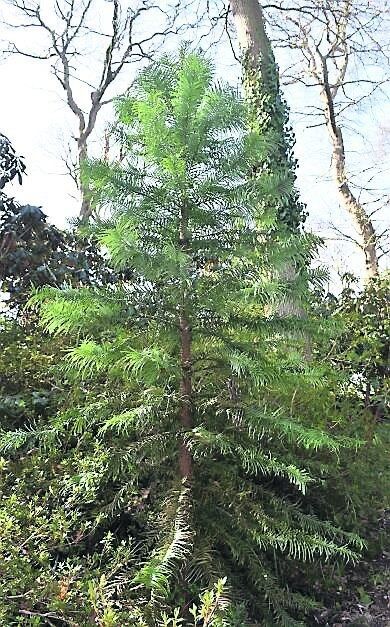
I could tell you more about the garden and that it contains one of the largest plant collections in these islands. The entire collection consists of more than 3,000 different varieties of trees and shrubs, more than 2,000 rhododendrons, 600 camellias, 300 acer cultivars, 600 conifers, 250 climbers, and 1,500 herbaceous plants.
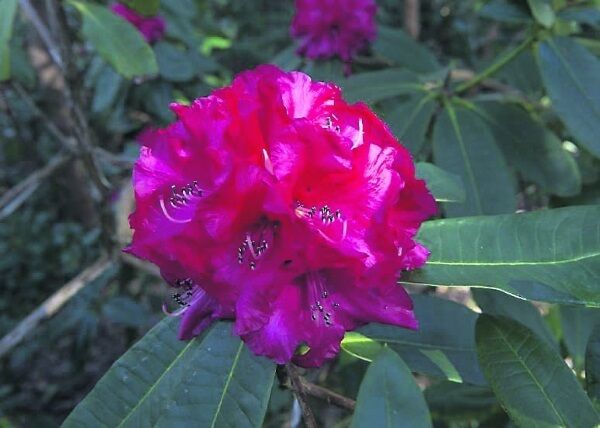
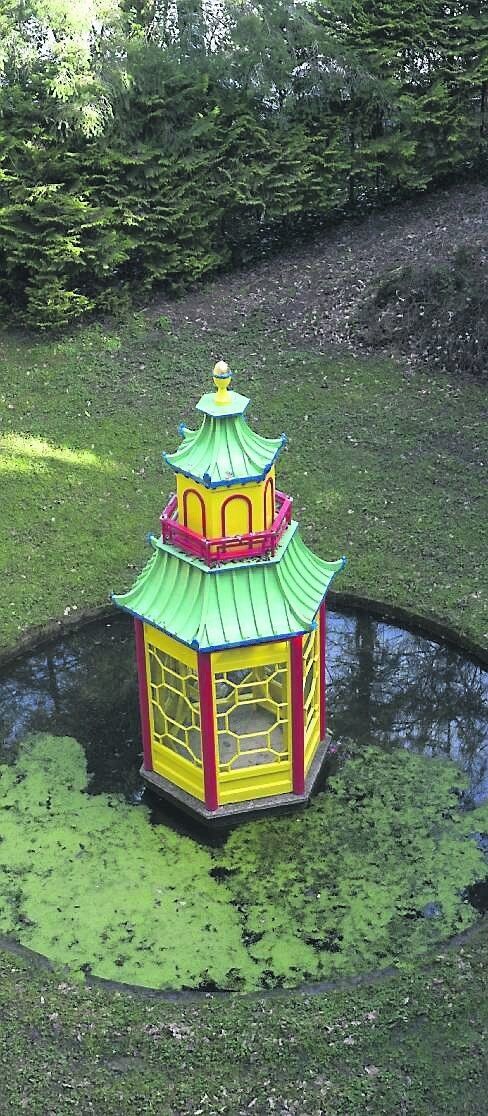
I can tell you about the acres of sweeping lawns, the giant pagoda under a disused rock quarry and sheltered by a mini wall of China, which should be out of place but isn’t. I could tell you about the rhododendrons and there I have to pause for when I think of the rhodos in this garden, I still have to catch my breath, for it was in Mount Congreve that I truly became fascinated with this genus, overcome particularly by the big leaved species such as Rhododendron macabeanum.
I could tell you about all of these but I haven’t told you anything. These are all just words, put together in my mind but if words and sentences can truly describe this place then it will take a better wordsmith than I.
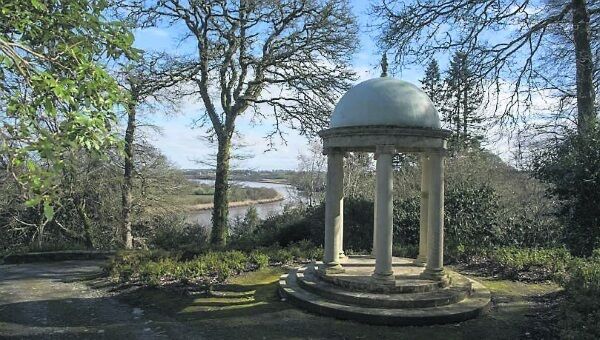
The gardens of Mount Congreve cannot be described with words and pictures alone — it is like trying to dance without music, eating without food. No it doesn’t work, there is an essential ingredient missing. The only way to understand these gardens is to be in them, to experience the energy, the aura of the place, the feeling that it will give you. Perhaps you will understand if I tell you that Ambrose and his wife lie in a crypt under the temple in the gardens, looking out forever over the surrounding countryside.
It is here in that exact spot that they chose to spend eternity. All I can leave you with is that to enjoy something that has been created on a grand scale and to a degree of excellence rarely seen and to truly experience a garden, then take a trip to Kilmeaden in Co Waterford soon.
www.mountcongreve.com


CONNECT WITH US TODAY



Be the first to know the latest news and updates