Vintage View: The history of glazing and other specialist finishes
Last week, we took a look at the body of a ceramic, the material, or paste from which it’s made.
Now most bodies (with the exception of tough but gorgeous old porcelain), are to some extent porous, and to render them watertight and to further beautify them, a top glaze was added, often to the outside and inside, but sometimes to the inside alone.

Sometimes you see into the glaze (translucent) or not (opaque/coloured). Think about glazes as being largely made up of a powdered glass, mixed with water and a little china clay.
This vitreous mixture applied to the body by dipping or sometimes painting on, is then fired at a high temperature where the glass melts into itself and the clay, sealing the finish. Glazes can be glossy or matt, colourless, iridescent, or tinted.
Some of the earliest forms of glazes are what are termed tin glazes and lead glazes which used some dodgy, toxic metallic oxides. Tin glazes were first used in the Far East as early as the 8th century, and were prized for the bright white finish they produced.
The Italians, Dutch, and English became famous for their use of tin glazing from the 16th century forward as manufacturers scrambled to turn out things that looked like the true porcelain that was (for political reasons) difficult to import from Japan and China.
If you like Italian maiolica (easy to confuse with English majolica by name), Quimper faïence from Brittany or English or Dutch delft —that white under glaze is tin glazing. It will often carry another see through coat of glaze on top to protect and enhance the glassy look and smooth texture of painted decoration, both fusing together as one when fired.
This is called under glazed decoration and was popular for blue and white porcelain with its rich cobalt blue fantasies.
If the piece is painted over the glaze, you may be able to tell by the texture by holding the piece side on to the light. Tin glaze chips easily, and you can recognise it for its thin whitish flakes.
Lead glazes beloved of the Romans for their earthenware, had a bold translucent finish which, though not always colour stable, was ideal for decorating and protecting pottery. If you have a big chunky lump of pottery or sculpture from the 18th century or before, chances are it’s lead glazed and showing the body beneath.
Medieval makers could scratch the surface of a pot, a technique called sgraffito, to show under-colours or the shade of the body, or use a brush to draw the glaze on the body in feathered and tortoiseshell effects before firing.
The use of lead glazing was later revived by artisans makers in Victorian majolica, who would glaze pieces, fire them, paint on new decoration or even words and pictures in a mixture of colour, clay, and water and then re-fire.
This is known as slip decoration or slip glazing. Using oils stroked through the slip added a marbled-looking finish. Minton exhibited fabulous naturalistic pottery in lead glazed earthenware of this kind from the 1850s, another charming area to collect (look out for Minton, Wedgewood and George Jones & Sons).
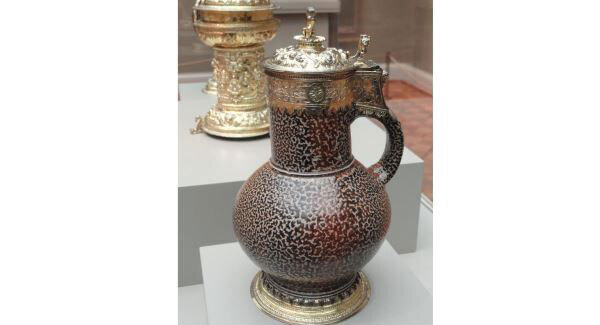
Stone-glazed ceramics form a whole, dedicated area of antiques, with some followers who are simply devoted to the orange peel like finish of honest, various objects for their look and touch. They are glazed with the same attempt at a glassy finish, but just not by dipping, brushing or spraying the glaze on.
Instead, right in the middle of the dynamic and dangerous process of firing, handfuls of common salt and minerals would be thrown at the piece as it sat in the kiln. The silica content of the body would fuse with the salt to produce a mottled glaze, and combined with other coloured lead glazes, makers could deliver a wealth of colours and feel.
Staffordshire potters were highly successful at producing salt glazed stoneware and their skill with brilliantly-coloured enamel painting, lustres and slip decoration, made their pieces popular hits throughout all the classes.
The value of glazed ceramics will be affected unless madly rare, by chips, scales, bubbles, peppering (grit), crackling, and what is called ‘crawl’ where the glaze has crept back off the body.
If you turn a piece of pottery or porcelain over, you may be able to see signs of its time in the kiln. If the bottom is glazed, look for those small areas where it would have sat on ‘kiln spurs’ to prevent it sticking to the supportive surface.
The truly clever, can sometimes use these support marks to even assign a piece smugly to a particular factory.
Next Week: The magic of vintage photographs, with a review of a lovely new book, Lost Ireland by William Derham