Find out what’s so great about asparagus
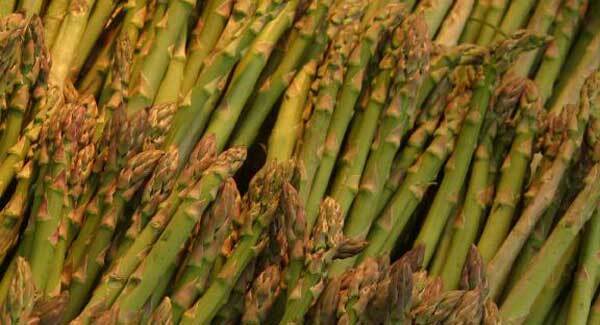
On Valentine’s weekend I wrote in passing about asparagus and its viagra-like properties — the rich nutritional profile of vitamins A, C, E, B1, B2 and niacin combined with its zinc, iron, potassium and folic acid, all contribute to supply a natural lift.
However, for me, what really elevates this vegetable is all its other health attributes.
Eating asparagus can improve blood pressure, improve blood-sugar regulation, and balance blood fat levels — three of the major factors in health complications.
Asparagus is starting to appear in new diets for weight loss and diabetic control.
It has also been associated with anti-inflammatory and anti-cancer diets. On paper it’s a wonder veg but on the plate and in the stomach, it is too.
What it all boils down to is the range of phytochemicals known as saponins, that asparagus contains: asparanin A, sarsasapogenin, protodioscin and diosgenin.
Other vegetables contain these saponins in various degrees, but asparagus is pretty packed with them— as are peas and soybeans.
Many plants produce saponins to fight off infections by viruses and bacteria and when we ingest the edible plants that do, our immune system benefits from their transferable properties too.
The particular saponins found in asparagus are anti-inflammatory and may have a role in pain perception reduction too, but asparagus also contains other anti-inflammatory nutrients include quercetin, rutin, kaempferol and isorhamnetin.
Impressively, it is also packed with glutathione – a really potent antioxidant and a master detoxifier – around 25-30 milligrams per 3.5 ounces, making it comparable to some of the much-lauded superfoods in the cruciferous vegetable linage.
Glutathione not only mops up free radicals and works to arrest and reverse damage to cells, it also acts like a battery recharger to flagging antioxidants in the system— rejuvenating them and giving them a second lease of life and a second go at making you a younger-looking and healthier being.
So that means the glutathione in asparagus boosts the action of the vitamin C, beta-carotene, vitamin E, zinc, manganese and selenium that you ingest from the vegetable.
Asparagus should definitely be on your radar and certainly in your garden. It is expensive to buy, doesn’t store well and tastes better harvested fresh — the perfect candidate for a gourmet border.
Before we look at how to grow it — let’s look at the potential side effects of consumption.
Okay, if you eat asparagus before the prison break, those hound dogs will track you down in no time.
Its aromatic molecules will make your pee smell of asparagus, (you could hide in the asparagus field until they pass — down there for dancing), and your perspiration might be a bit more sulphurous than usual, but the aroma is not a warning sign, just the presence of the otherwise safe asparagusic acid in your system.
Remember too that the sulphur compounds in vegetables are what make them a cancer fighting agent.
Some gardens will now show off a lovely plant called soapwort (Saponaria officinalis) — also packed with saponins — it soaps up — hence the name and its history of use in cosmetics and cleaning products to get a good lather.
The saponins in it make the froth, just as saponins from yucca spp are used in some craft and commercial beers to produce a stable foamy head.
Not everyone can stomach repeat and high doses of saponins (flatulence or trapped wind or slight cramp), so I always recommend you treat asparagus like a gourmet veg and rather than being a consistent part of your five a day make it a nice treat vegetable when in season.
In terms of those who should best avoid it — that’s down to pre-existing medical conditions such as gout or kidney stones — asparagus contains purines which are broken down to form uric acid and readily expelled from the body, except if you have either of those two conditions.
So how do we grow this health booster?
Get the soil right and you’re laughing.
In this instance, amending with sand will help soil to warm up quickly in the spring and spur your spears to early cropping.
Asparagus likes it slightly acidic to neutral, so a bit of ericaceous compost or pine needles, is no harm.
Amend also with plenty of well-rotted manure and homemade compost too, as this is a perennial crop, it will grow and be productive in the spot you plant it into, for as much as 20 years.
Providing ample fertility now will see you right. You can top dress in October or prior to spring in future years.
There are several varieties of asparagus crowns available in your garden centres and garden shops now, and come April a few later varieties will become available.
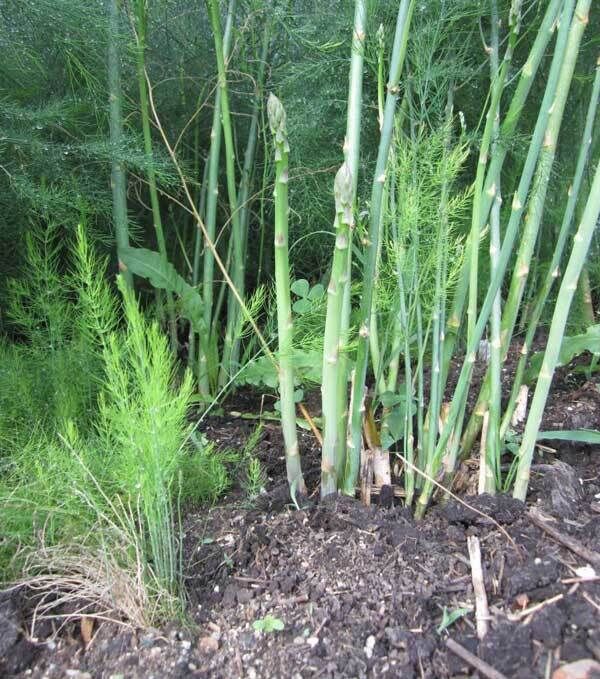
I grow a variety called Gijnlim on my allotment — it’s an early and long cropper, throwing up spears from April to the end of June.
I grow a variety called ‘Purple Passion’ at home, among ornamental grasses in my driveway.
I like the aesthetic contrast. I like that it is perennial and so you can be unconventional in where you plant it.
It is a purple variety which may mean more antioxidants via the pigmentation, yet it will revert to green upon cooking.
I find it is aromatically milder and for the sweet tooth gardeners, it is around 20% to 25% sweeter tasting than green varieties. It’s less fibrous and easier to blitz up into soups.
It is also somewhat resistance to rust, fusarium and root/crown rot which is perfect in a home garden or place where you are less vigilant.
The allotment one is more about protecting from slug damage, and if a wet year, watching for rust.
Rust can be treated with sulphur, garlic spray and most effectively by limiting prolonged damp and getting rid of weeds that host rust.
There are many rust-resistant varieties out there and they have not lost flavour in the selective breeding process.
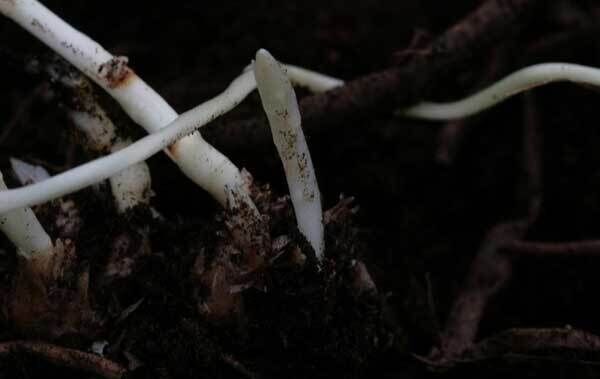
Now and over the next three weeks is the optimum time to plant asparagus crowns (which are one-year-old plants).
They will take three years to extend enough root system and bulk up enough stored energy to supply good harvests — so don’t waste an extra year by sowing seed.
Assuming that you have improved the location, then the best way to plant is into trenches about 15cm deep by15cm wide in to which you can spread a layer of gravel or grit to doubly assist drainage — crowns hate wet feet.
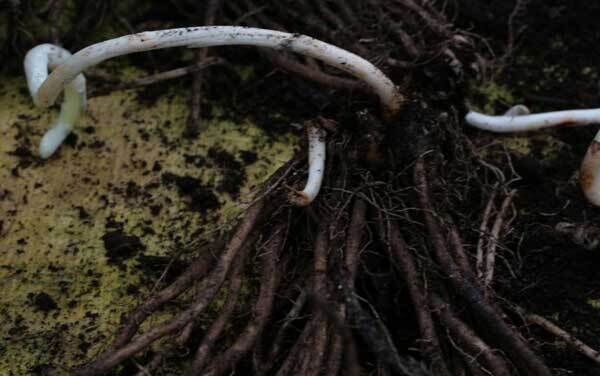
I make a sort of pyramid mound of sand to hold each crown and carefully untangle the octopus roots over the sides of it.
Again more drainage but also it helps splay out the root system and kick start the first year’s growth.
Then fill the trench with fertile soil — leave a little of the growing tip exposed and water in.
Once it starts into growth you can earth up or level out with additional soil.
Some crowns come in paper wrapping and they might like to soak in a little water overnight the day before planting to plump up and rehydrate.
Some come in plastic packaging and they might like to a dusting of cinnamon from the spice rack to kill any sweaty bag fungal implications.
Crowns are traditionally planted about 90cm apart.
* Year one, don’t harvest, let it build strength.
* Year two, pencil-thick tasters can be taken but don’t think year about it as a crop.
* Year three — all you eat.
Most crowns will yield 20–25 spears each per season.
Spears are best cut when around 10cm tall.
Because asparagus has a high respiration rate, basically it starts to get starchy once cut, it is best eaten the same day or next.
You can slow this respiration process by storing inside the fridge with the cut ends folded in a damp napkin.
If you’re not that posh, then damp kitchen roll will do.
It’s a gourmet vegetable with a real health boost so it is worth giving it the attention it needs.
That’s it for this week, I have to go and admonish the butler now, for not ironing my gardening gloves.


CONNECT WITH US TODAY



Be the first to know the latest news and updates