Nature Table: The goldfinch
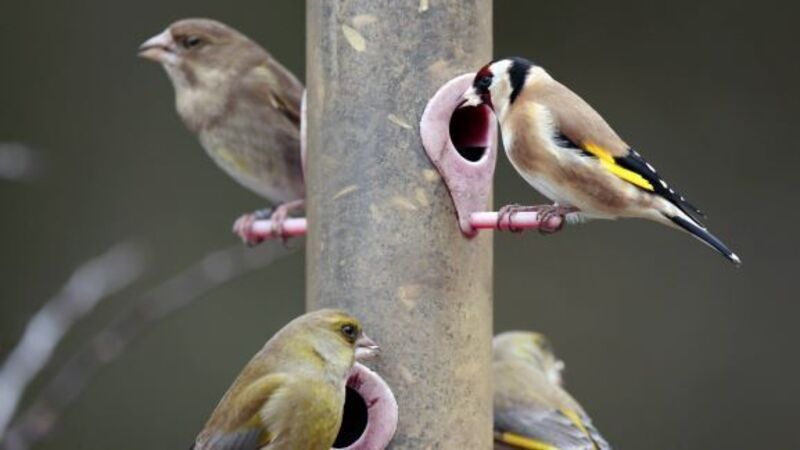
They were trapped in huge numbers, many of them for export to Britain and the continent, and became scarce as a result. This trade, although completely illegal, still exists to a small extent. However, goldfinch numbers increased slowly in the second half of the last century. Then, around 1990, something remarkable happened.
Goldfinches changed from being scarce countryside birds, eking out a living by feeding on dwindling amounts of wild seeds, to visiting gardens. The extra seeds available in gardens, supplemented by birdfeeders, led to a dramatic increase in numbers. When they do visit feeders, particularly in winter when they tend to form large flocks, they’re often aggressive, fighting among themselves and with birds of other species. This involves wing fluttering and threatening with an open beak, accompanied by a sizzling sound rather like a sausage frying.


CONNECT WITH US TODAY



Be the first to know the latest news and updates