Deal on climate change ‘watered down’
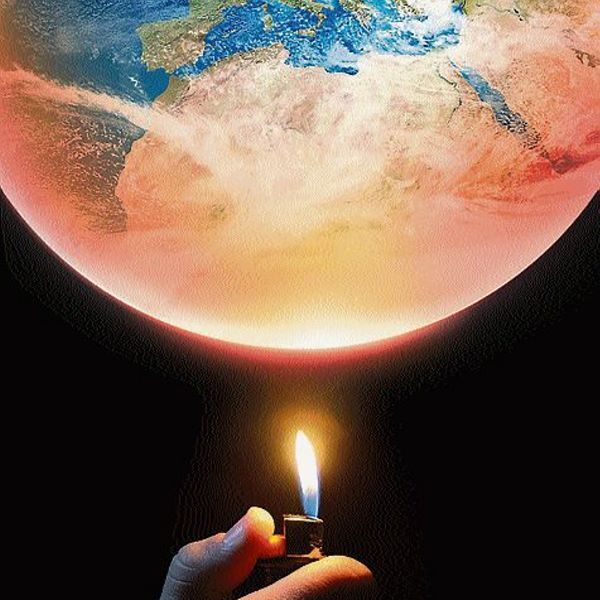
The Lima agreement was reached after late-night wrangling between rich and poor countries.
Developing countries had earlier rejected a draft deal that they said would allow rich countries to shirk their responsibilities to fight global warming and pay for its impacts.
Peru’s environment minister presented a new, fourth draft just before midnight and said he hoped it would satisfy all parties, giving a sharply reduced body of remaining delegates an hour to review it.
“As a text it’s not perfect, but it includes the positions of the parties,” said Manuel Pulgar-Vidal, who was the conference chairman and had spent all afternoon and evening meeting separately with delegations.
The main goal for the two-week session in Lima was relatively modest — reach an agreement on what information should go into the pledges that countries submit for a global climate pact expected to be adopted next year in Paris.
However, even that became complicated as several developing nations rebelled against a draft decision they said blurred the distinction between what rich and poor countries can be expected to do.
The final draft apparently alleviated those concerns with language saying countries have “common but differentiated responsibilities” to deal with global warming.
It also restored language demanded by small island states at risk of being flooded by rising seas, mentioning a “loss and damage” mechanism agreed upon in last year’s talks in Poland.
“We need a permanent arrangement to help the poorest of the world,” Ian Fry, negotiator for the Pacific Island nation of Tuvalu, said at a midday session.
However, it weakened language on the content of the pledges, saying they “may” instead of “shall” include quantifiable information showing how countries intend to meet their emissions targets.
Top carbon polluter China and other major developing countries opposed plans for a review process that would allow the pledges to be compared against one another before Paris.
The new draft mentioned only that all pledges would be reviewed a month ahead of Paris to assess their combined effect on climate change.
Though negotiating tactics always play a role, virtually all disputes in the UN talks reflect a wider issue of how to divide the burden of fixing the planetary warming that scientists say results from human activity, primarily the burning of oil, coal, and natural gas.
The momentum from last month’s joint US-China deal on emissions targets faded quickly in Lima as rifts reopened over shich countries should do what to fight the problem.
Historically, Western nations are the biggest emitters. Currently, most CO2 emissions are coming from developing countries as they grow their economies and lift millions of people out of poverty.

CONNECT WITH US TODAY



Be the first to know the latest news and updates