Green manure adds colour over winter
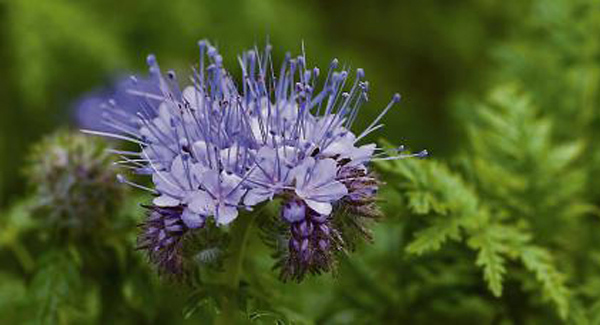
It is a beneficial cover crop, grown for a short while and incorporated into soil before it can set seed or fruit. If cultivated soil is left bare, it will lose nutrients, be taken over by weeds, erode, or become compressed due to rain and wind. In nature, you will never find bare soil, unless it has been degraded and turned into a desert. Green manures both improve and protect precious soil and are ecologically sound.
It makes good garden sense to grow green manures over winter, when most beds are empty. They improve soil, suppress weeds, and keep the garden ticking over until next spring. They are also useful in the summer, as a quick, growing, green manure crop nourishes soil in between crops. Green manures also make an ideal first crop, as they break up soil, increase its biomass, and get the soil life going.
Green manures are easy to sow, cheap to buy, and make an excellent subsitute to animal manure, which is bulky and hard to find, especially if urban gardening. They fall into three categories: nitrogen-fixers; quick-growing leafy types and those with deep, fibrous roots.
The nitrogen fixers, which are the leguminosae family (E.g. varieties of clover, common vetch, winter field beans and peas, fenugreek and lupins) have nodules on their roots, which they use to magically fix nitrogen from the atmosphere into a form that plants can use.
The good news is that your edible peas and beans do this also, meaning that any pea or bean that you grow not only feeds you, but feeds your garden too. Once you’ve harvested peas and beans, don’t pull the roots of the plant up, just cut the stem, leaving roots in the ground. As these rot down, they will release stored nitrogen into the earth for subsequent crops. The deep rooters (E.g. grazing rye, phacelia) improve soil structure by breaking up difficult soils and draw up nutrients from deep down, which are dug back into the soil, adding nutrients. The quick-growing leafy types (E.g. mustards, buckwheat) are useful between crops, and many of these are up in days and are great for adding bulky matter to thin soils. Mustards, and other green manures, such as rape and fodder radish, belong to the brassica family, so watch rotations and do not sow in beds where brassica vegetables were harvested or are intended to be grown.
Once a bed is cleared, be aware that bare soil will soon be colonised by weeds and its store of nutrients jeopardised. Fore-warned is fore-armed, so now is a perfect time for stocking up on winter-hardy, green manure seeds. Green manures often work well when mixed and a typical combination is grazing rye, phacelia and vetch. Before sowing seeds, clear beds fully, rake soil and remove weeds to prepare a seedbed. Next, broadcast (sprinkle) seeds at the recommended seed rate on the bed, lightly cover them with soil using the rake and, voila, the soil will be blanketed by a nourishing, green cover crop over the winter, until required for vegetable crops next spring.
The trick with cover crops is to dig them in before they flower or set seed. If they go too far, the plant will have put all its energy into producing flowers and seeds, depleting its value as a green manure and creating an even bigger weed problem for next year. The one exception worth making is for phacelia, as I always let a few plants go to flower, as the blue blooms are bee-and-hoverfly magnets. Cut or strim green manure growth next spring, leaving cut plants on your bed and then, a few days later, dig it into your soil. You should leave your green manure to decompose for about 3-4 weeks, before sowing your crops, as seed germination is inhibited by the crops’ decomposition.
August to mid-October is the best time for sowing over-wintering manures. If left too late, soil temperatures will drop, seeds won’t germinate, and soil will remain bare and vulnerable to winter weather.If you are having trouble sourcing green manure seeds locally, check out Fruit Hill Farm’s online catalogue, on www.fruithillfarm.ie.