Vintage view: Antique rosewood
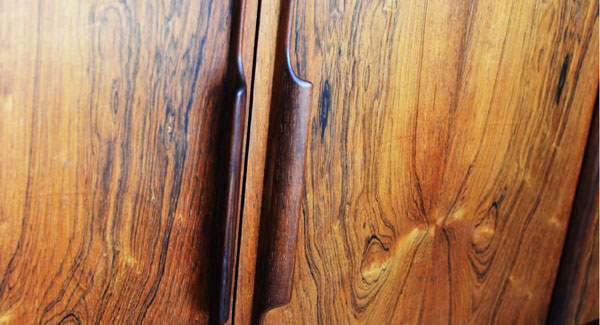
WHEN it comes to timbers I must confess that I can’t keep my strolling hands off a piece of vintage or antique rosewood. One of its many intoxicating charms, even besides the damask dark beauty of its figuring, is that fragile sappy scent it carries, even a century after felling.
A rich ruby with treacle thick veining, Dalbergia in its various geneses from India, Asia and South America, is one of a family of highly figured woods treasured for the making of furniture, stringed instruments and flooring.
Its dense grain can carry a diamond high polish and turns beautifully. Added to this rosewood’s high resistance to insect attack has made in a favourite with cabinetmakers since the 18th century.
It even sounds great, and the natural acoustic resonance of rosewood was well recognised by luthiers and musicians across the ages. In the 1960s Danish furniture makers rediscovered rosewood’s garnet colour and ‘landscape’ figuring celebrating it in simple clean-lined classics for the bedroom and boardroom.
The woods and veneers we most easily recognise are Indian rosewood (Dalbergia latifolia), Brazilian rosewood (Dalbergia Nigra) and Madagascar rosewood (Dalbergia Maratima). Maratima and Nigra are both listed as vulnerable on the IUCN tree list due to over-felling of the rain forests. Consequently, there is a great deal of controversy in the antiques market as to the saleability of Scandinavian rosewood mid-century pieces.
Dealing in post-war Brazilian rosewood pieces contravenes the Convention on International Trade in Endangered Species of Wild Flora and Fauna (CITES). In January, 80 lots of mid-century Danish furniture were abruptly pulled from sale at Sworders in Essex, when the management were made aware of the legislation.
In the UK, post-war furniture made in Brazilian rosewood must carry certification by the UK Wildlife Licensing & Registration Service to prove the timber it’s made from was obtained before 1947.
In the United States, CITES, in tandem with the Endangered Species Act (ESA), is clear as the note plucked on a vintage Gibson. Pieces, including guitars and other musical instruments suspected to have utilised ‘pre-convention’ veneers in illegal rosewoods and ivory, are seized by the Fish and Wildlife service and cannot be resold.
Auction houses, and dealers worldwide vary in their handling of late rosewood pieces, and some do turn a blind eye. The cloak-and-dagger element of buying and selling 50s and 60s rosewood furniture simply lends spice to the chase for some collectors.
At the very least don’t participate in buying reproduction pieces made in these woods. Restorers looking for rare rosewood veneers are happy to buy up exploded ancient pianos and allow their fabulous costume of rosewood to wither off in a sunny yard for re-use.
Just about all the antique rosewood furniture you’ll find for sale will pre-date 1947 and is not at issue. You can recognise rosewood by its colour first, a dark bricky red that can appear almost purple in its richness, although age and UV damage may have brought it to a blonder colour.
Next, there’s the veining which in the most gorgeous examples will be almost black and vary over a table top in large bands and thin stripes, undulating over its surface. The grain where visible will be very close together and can be spiralled or wavy.
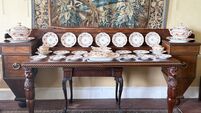
If you lift a solid piece of rosewood made into anything, it will be exceptionally heavy. Used originally for inlay decoration and veneers in 18th century furniture, solid rosewood can be found from the early 19th century. In smalls, rosewood tea-caddies with their often blood red decorative veneers and black stringing are especially sought after in good condition.
As for that mesmerising mid-20th century Dalbergia Nigra desk you’ve found at the back of the local salesroom? Can you really live with what it represents? Sting would certainly not approve.
CONNECT WITH US TODAY



Be the first to know the latest news and updates