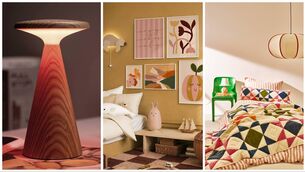
Sideboards make a spectacular return
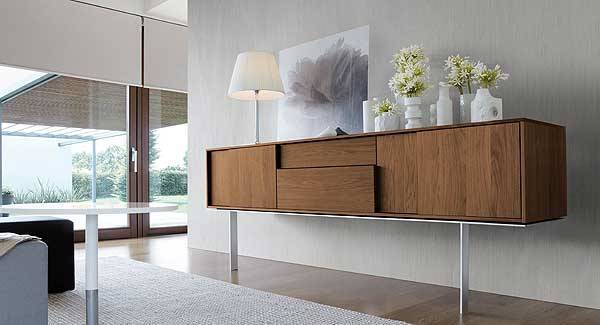
I NEVER fail to be excited by the sight of a new sideboard design. It’s the legacy of a childhood fascination with my aunt’s G-Plan version and its cutlery drawers hidden behind solid teak doors.

Sideboards make a spectacular return

Spectacularly out of fashion in the 1980s and ‘90s, the sideboard was seen as an unnecessary space-hogger at a time when cutlery and crockery could be filed away in streamlined built-in kitchen cabinetry. But it’s made an equally spectacular return and you’d be hard pressed to find a furniture designer of note who doesn’t have at least one in their collection.

While I save my euros and dream of commissioning Sasha Sykes to make me a flower-filled version, I’m content with my 1960s McIntosh of Kirkaldy model for its practicality, secret shelves and bright red baize-lined drawers in a solid teak construction.


Like G-Plan of the same period, McIntosh’s models were a response to Danish design of the 1950s, ‘60s and ‘70s, but being a much smaller manufacturer they had a smaller output, making them a rarer find nowadays. Table Lighting Chair found mine and all I had to do was remove a few rings on the surface made by wet-bottomed glasses. Fine sandpaper and a loving smear of tung oil did the trick. If I remember correctly I paid about €500 and it’s now filled with my special occasion dinner party treasures: cutlery, china, tablecloths, napkins, napkin rings and cruets.

With a larger number of G-Plan items in circulation, there’s something for everyone reflecting what we now call Mid-Century Modern design. Vintage shops have restored models, but your local second-hand shop or warehouse will yield one for less than €100 and sometimes as little as €30. With these prices you will be required to apply sandpaper and more to get it into respectable shape.

Now for the fun bit. When the sideboard is in situ and filled with your lovely things, give some thought to how you style the surface. It’s an opportunity to play with heights and textures and reflect your taste and style history.

My beloved McIntosh is topped with an all-white ‘70s style Ljusas Ysby table lamp from Ikea (€85) on one end, and two Loop candlesticks by Black & Blum linked together on the other end to make a modern candelabra (approx. €28 each). In between is a silver tea tray that belonged to my great-grandmother, flanked by a pair of retro style salt and pepper dishes and a framed piece of craft work that leans against the wall.

So my styling reflects some of my design taste but also my personal connections and history which gives it texture and added interest, and I’ve used five objects as odd numbers always works best from a visual perspective.

And the moral of the story? You don’t have to spend a fortune to find good design but when the price is high, it’s a reflection of the huge amount of time spent on developing an idea, followed by the cost of good materials and the time it takes to make something by hand, carefully and lovingly.

nNext week we’re off to a craft exhibition

x

More in this section

Revoiced

Newsletter

Had a busy week? Sign up for some of the best reads from the week gone by. Selected just for you.

Cookie Policy Privacy Policy Brand Safety FAQ Help Contact Us Terms and Conditions

© Examiner Echo Group Limited