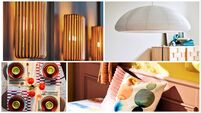
Separate the matched look by uncoupling
We’re pulling apart matching pairs of cushions, separating twin lamps either side of the bed or mantle piece, divorcing matchy-matchy side tables, and embarking on a passionate affair with mixing and mismatching to make your interior truly a reflection of you.
This is a look that will play to the established home interior aficionado who is hankering for the latest trend and has a budget to achieve it. Equally, the first time home-maker who is setting up a house or flat with a jumble of furniture and accessories begged from relatives and friends, can be thoroughly in-vogue with some careful planning.
So if you’re amongst the latter, don’t fret about what you don’t have product or budget-wise to create the specific and maybe expensive space you’ve dreamed about. You can make an arresting home interior fashion statement with what you already have plus a few wallet-friendly additions.
Bear a few points in mind before you start. The mismatched interior is all about contrasting materials, colours and textures. When finished, it should give the feeling of things having been collected over time, so this is where auntie’s cast-off furnishings and accessories will suddenly become treasures.
It may seem disorganised but it’s actually a considered and well planned look, allowing you to add in everything you like without it resulting in the chaotic feel of your local jumble sale.
Pull together materials, textures and tones that, while different, also work together. Take, for example, strong pattern and pair it with delicate or barely there versions, making sure you have a common colour to hold it all together. The same can be done with shapes and styles, particularly in furniture that can then mismatch with the colour and texture of its upholstery.
By layering textures and finishes in furniture, furnishings, paints and accessories, we tend to add interest and personality to the décor.
If you’re a novice at radical change in your interiors, it might be best to keep your walls neutral, or at least keep three of them colour-free. It stops your mismatched interiors from taking on a cluttered appearance and balances the overall look.
If you’re very confident in your use of colour, with an eye for making an arresting look, then opt for colour in your walls but make sure they work together and not against each other and the furnishings. On-trend orange with dark grey is fabulous and in turn establishes a theme on which to draw for your furniture and accessories.
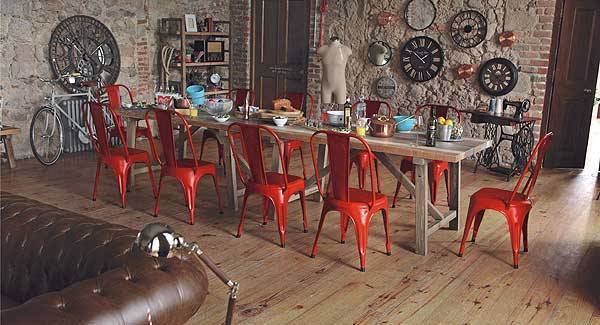
For a simple application of the look, place mismatched chairs around your dining or kitchen table, keeping them in the same material, such as wood, or a mix of wood and painted, using a colour that works with the surrounding décor.
In more relaxed soft chairs make sure the lines are similar, but the scale can vary, as can colour, as long as they work together.
There are no accepted rules here to guide you as there are with other looks, so to determine if it’s the right one for you, start with the easily achievable — and, if necessary, removable — approach, with the ever-reliable cushions, lampshades and bed linens.
* Next week we’re looking at the revival of enamel finishes.
CONNECT WITH US TODAY



Be the first to know the latest news and updates