Bring colour into the home with the Ombré effect
Fans of the late, great but much repeated Sex and the City will remember that amongst Carrie Bradshaw’s experimental hair dos was her attempt at the ombré effect.

Bring colour into the home with the Ombré effect

Black roots carefully constructed to look like new growth stretched down to her ears and then dripped into blond streakiness at the ends. Sack the stylist, I say.

It was the sort of look that would have our friends nudging us toward the hairdressers were we to skimp on colour treatments, but when paraded as a new look by the goddess of style herself, it made grown-out roots fashionable.

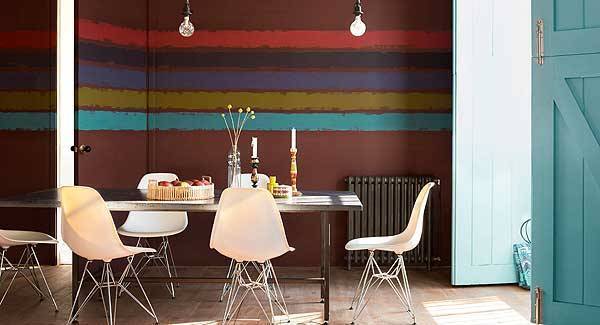
The ombré effect hasn’t filtered into catwalk fashions except in summer wear, especially for beach holiday sun dresses and wraps. But as an interior look, it’s in fabrics, upholstery, soft furnishings, and being applied as a wall treatment.

It’s a lovely way to introduce more than one colour without spending on different products. There’s also a soft, easy visual with ombré and its gentle gradation of colour as it holds the viewer’s attention, letting the eye drift from one colour into the next. It’s like taking stripes and letting them fade or darken into a different hue or shade.

Paint lends itself dramatically to the application of the effect. It’s an exciting approach especially at this time of year when bright spring light on your shabby decor is urging you to study the colour charts. Ombré is easily achieved by the amateur interior decorator if you take your time and choose your colours wisely.

Unless you are very confident about applying paint effects, stay with the same colourway. If you like blue, for example, buy three paints: One dark, one pale, and one in between. Apply the darker to the bottom of the wall, followed by the middle choice, and finish up to the ceiling with the pale version. Make sure you blend them well so there are no dividing lines. It’s easier than you think, I promise.

Pop into your local paint retailer and get one of those colour wheels so you can get a feel for how different hues work in sequence, and what colours will blend well together.

If you’re feeling bold and want to incorporate different colours, best stick with natural neighbours. So, for example, green can fade into yellow, which in turn can darken into brown, and of course, you can go completely off the spectrum sequence and have as many colours as you wish: It’s your space after all.

But if you want something chic, two or three colours is enough, and to avoid the home-made experimental finish, include white and one of the new neutrals like light grey or off-white, or even a fleshy hue.

So imagine you’ve chosen grey, yellow, and white. Apply them in this order starting with grey on the bottom, followed by yellow and then white. Maybe you’d prefer blue as the middle colour, or if you opt for pink the top colour could be a fleshy neutral.

If you think it’s going hideously wrong, don’t fret. Just keep blending the lines between each one, and if it’s truly a disaster, there’s always the highly affordable bucket of magnolia to paint over until you have a better idea.

¦ Next week we’re planning a treat for Mother’s Day

x

More in this section

Revoiced

Newsletter

Sign up to the best reads of the week from irishexaminer.com selected just for you.

Cookie Policy Privacy Policy Brand Safety FAQ Help Contact Us Terms and Conditions

© Examiner Echo Group Limited