Vintage view: Pre-Pack
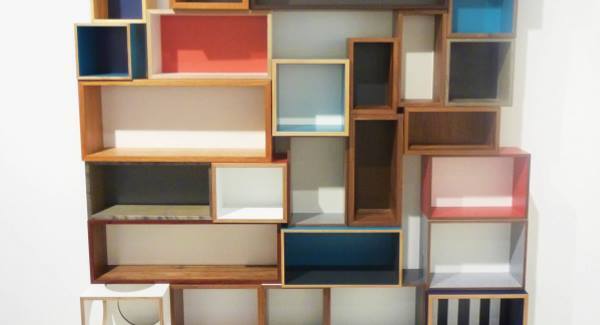
The word ‘design’ comes up everywhere in antiques, collecting, art, and interiors, and the idea of appreciating ‘design’ terrifies most of us.

Vintage view: Pre-Pack

It’s seems to be this rarefied state of understanding, something apart from everyday mortals that must be interpreted, distilled, and explained.

Nothing could be further from the truth. Look around your house at attractive things that do their job — every one of them is a piece of successful design. Every tea tin, stool, light fitting, and fabric was on the board of an industrial designer, some creating the colour and pattern to be applied, others the way the packaging flipped opened or how that table extended.

Commentators on furniture by bright young things routinely trumpet new lines for their function, new ‘designs’ where most pieces are actually faint re-imaginings taken from the 18th century or beyond. Tables still have to stand steady, working lights have to pool illumination where they should, jugs should pour, and ornaments, whether 1782 or 1982, still have to be ornamental.

As buyers of old and new, we have been shaken out of the age-of-beige for at least 15 years and now more and more of us are appreciating eras where once only the truly daring would venture—high design; we’re even collecting things from the 1980s for heaven’s sake.

Sleek forms, multi-function, versatility, and beauty of materials has always been on offer in the best of the market. In fact, as you collect, seeing the old in the new, teased into something a little different and ‘today’ is what makes design so interesting. It’s something anyone can learn about, stashing away a growing mental catalogue to draw on until your drop into the coffin. You’re as likely to see the kernel of a great piece of design on the floor of the New Furniture Centre in Cork as in the galleries of London Design Week.

Weak buyers are dazzled, (or at least confused), by the safety of bespoke and expensive. True collectors are far less afraid and will look everywhere, finding remarkable things that do their job well, everywhere from Lost Weekend in Dun Laoghaire to Sunday markets, Ikea, and at the graduation shows of art college. Being exclusive by virtue of price or even by hand crafting does not automatically make something good in terms of design, and in some cases it’s an ill fitting set of emperor’s clothes.

Charles Eames (1907-78) and Ray Eames (1912-88) are probably the most aped, copied, interpreted and faked industrial style designers in the popular market today.

At the heart or their success, was the fact that their chairs, for example, not only looked hip and groovy in the office or home, but that they were made to last and were spectacularly comfortable. It’s form and function. Great shapes but an aching back won’t be celebrated half a century down the road.

At the very epicentre of our interest are heroes of the past, who found something new to say in everyday objects for the time in which they lived, and that runs for art, too. Designers and makers who stepped outside what was politely acceptable; these pioneers are the most fervently collected throughout the world and respected and referenced by those forging their way forward in new design.

Right now, we’re still overcome with mid-century modern, and the market is handing us back domestic furnishings and accessories taken so closely from the original objects of the ’50s-’70s. Some are a pencil slip away from their inspirations but dubbed ‘original’ and ‘exciting’ by reviewers.

Look — use your eyes — forget investment potential or superficial ideas about showing off — make up your own mind. Do you love it? Can you place it at home? Then antique, vintage, or brand new, you probably should have it.

More in this section

Revoiced

Newsletter

Sign up to the best reads of the week from irishexaminer.com selected just for you.

Cookie Policy Privacy Policy Brand Safety FAQ Help Contact Us Terms and Conditions

© Examiner Echo Group Limited